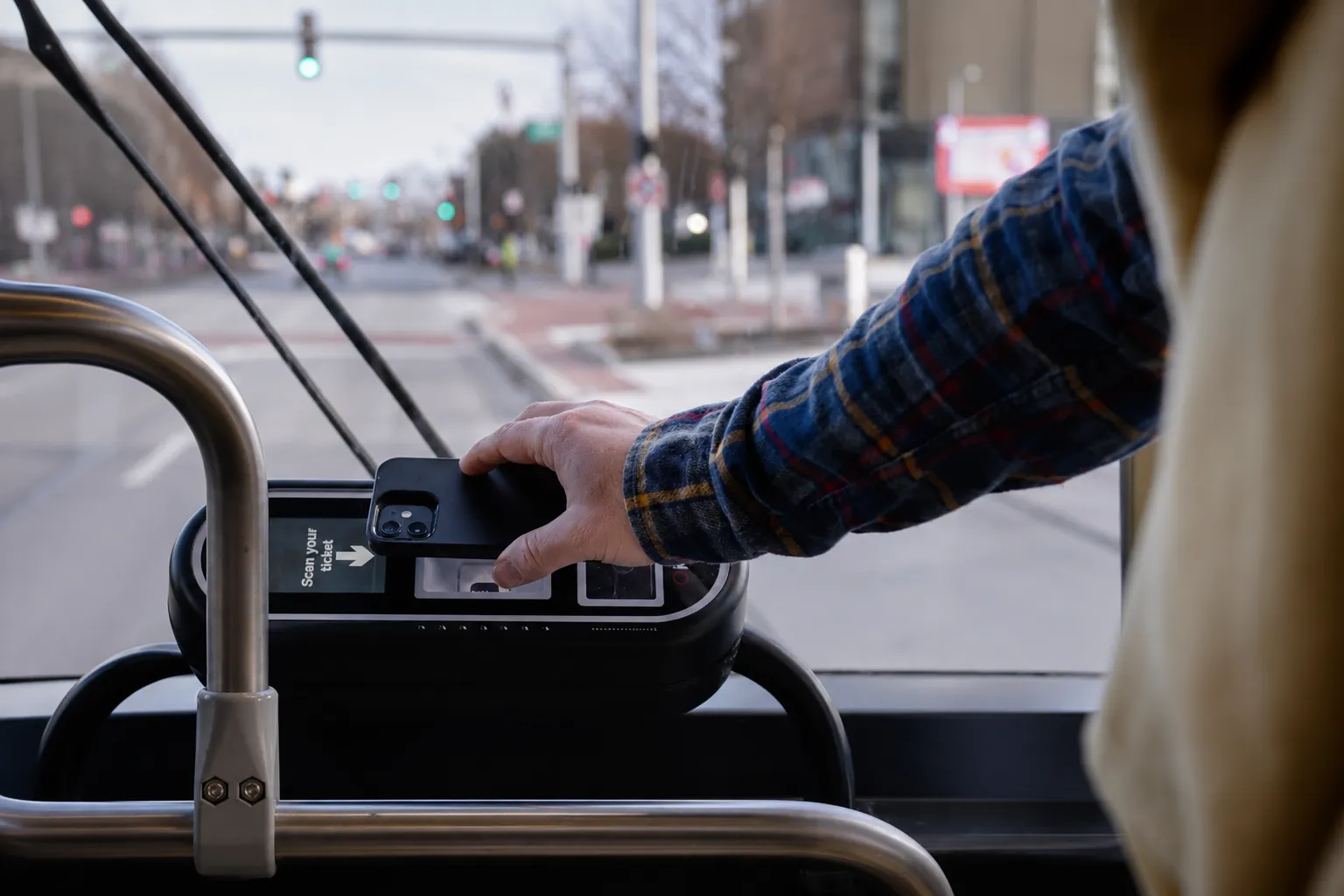
The vehicle is where transit technology has to prove itself
Onboard systems sit at the point where service plans, operator communication, rider information, safety, maintenance, and reporting meet.
When equipment loses power, locks up, fails to communicate, or cannot work with surrounding systems, the issue quickly becomes operational. Operators lose useful information. Dispatch has a less complete view of service. Riders may receive inconsistent updates. Maintenance teams have another problem to diagnose.
ETA helps agencies build a more dependable onboard environment by connecting the hardware, software, integrations, and support tools involved in daily service.
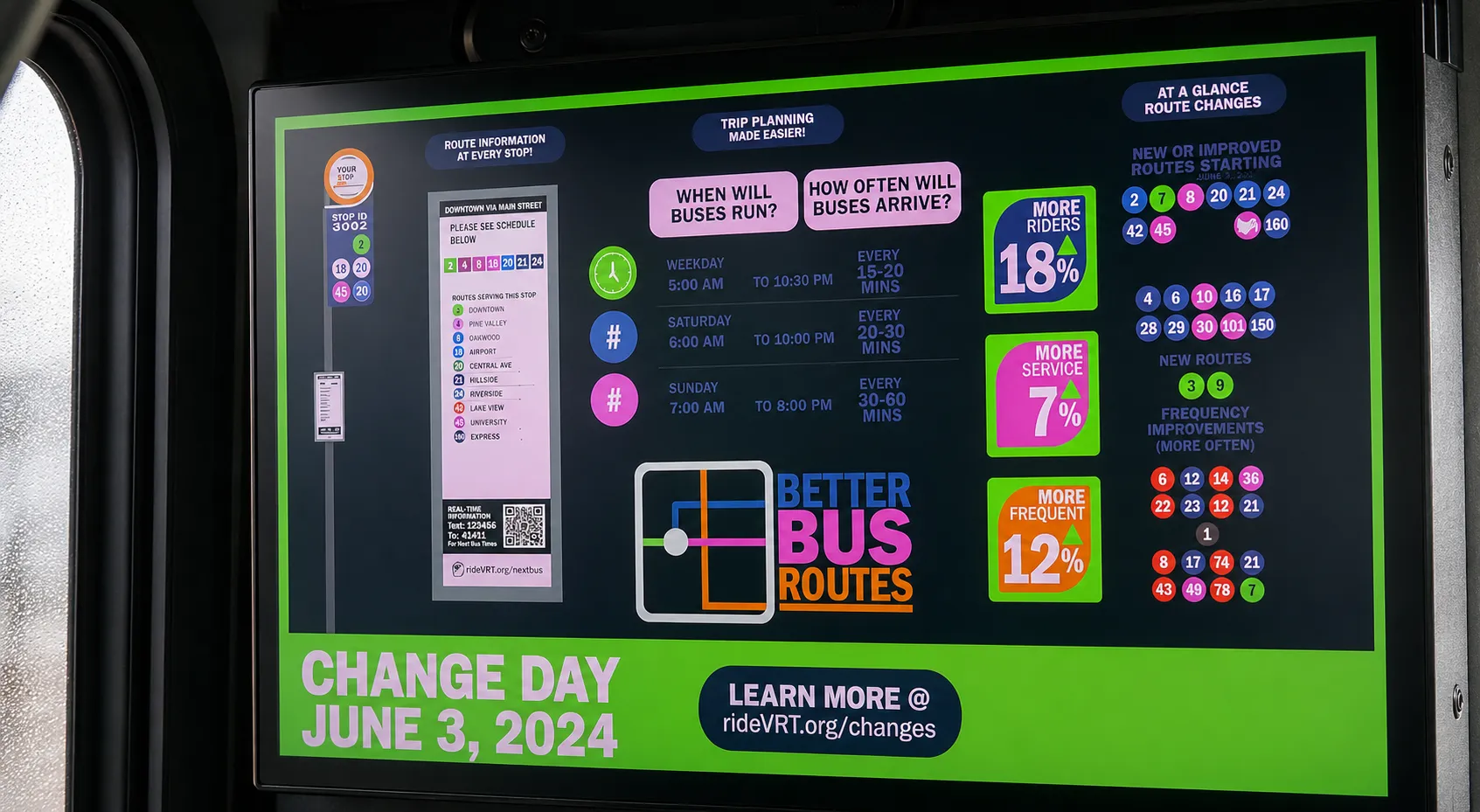
Operator tools, vehicle systems, rider information, and diagnostics
ETA’s onboard approach is not limited to one device or one screen. It connects the systems inside and around the vehicle so staff can operate, communicate, monitor, and maintain service with better information.
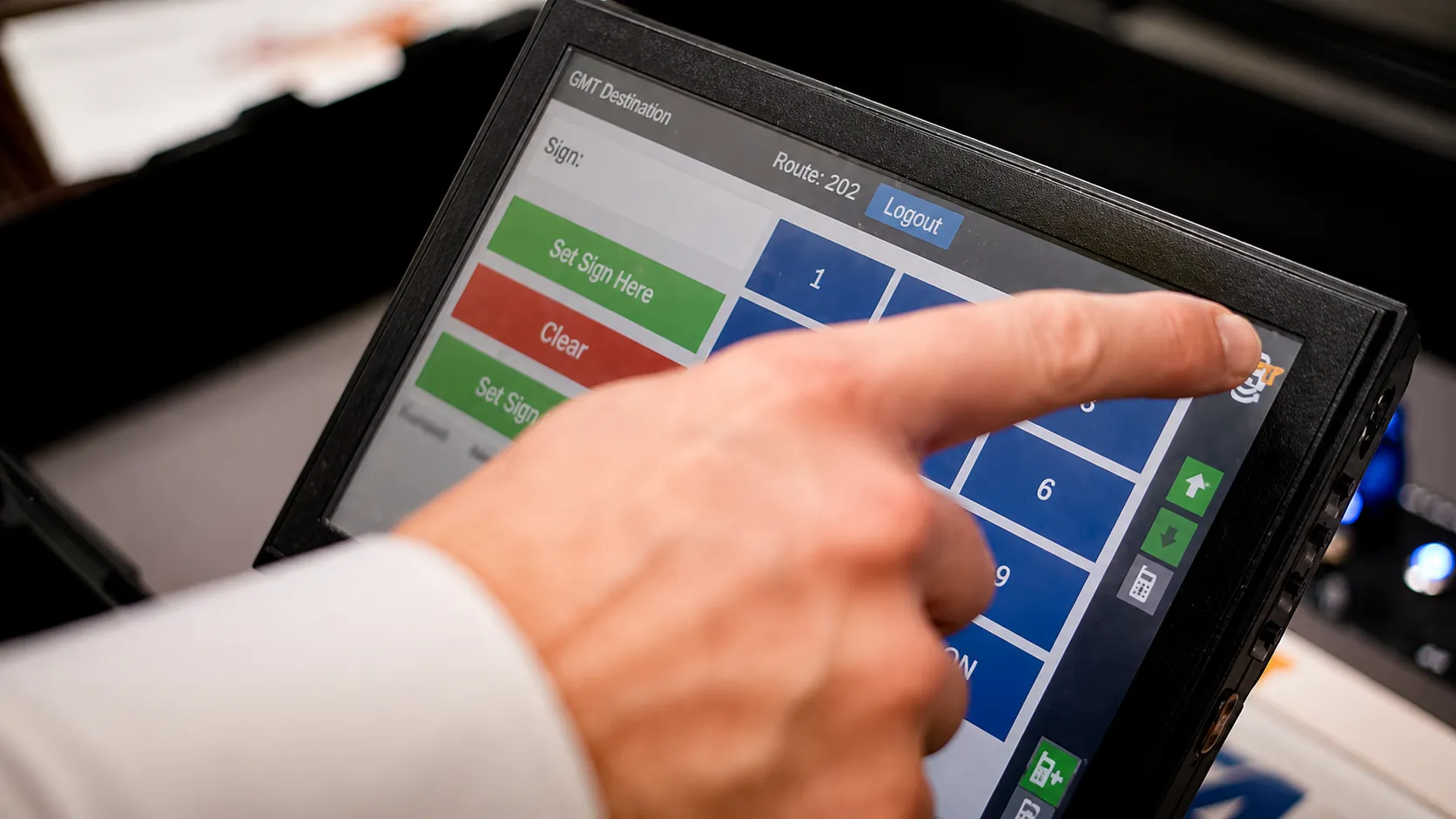
Bus operator software
Support operators with service assignments, turn-by-turn guidance, pre-trip inspections, two-way messaging, ad hoc announcements, countdown timers, and on-time performance awareness.
Rider-facing systems
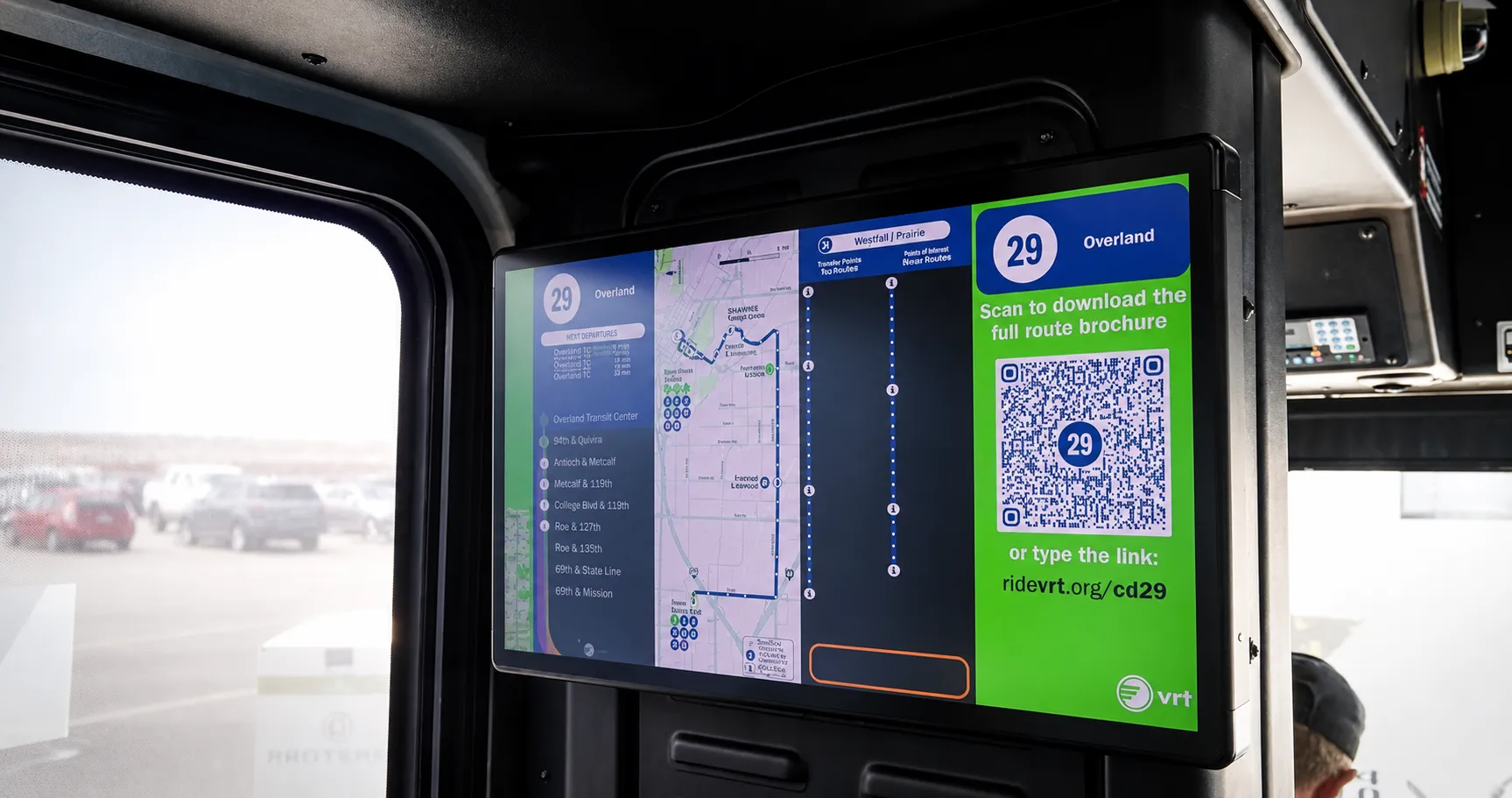
Connect onboard and exterior communication tools such as headsigns, stop requests, automated voice announcements, interior information, infotainment, and related passenger-facing systems.
Vehicle and operational integrations
Integrate with compatible onboard systems such as J1939/CAN, AVM, mobile video surveillance, voice communications, farebox and cashless fare collection, covert alarm, and transit signal priority.
Maintainer and technical tools
Give maintenance and technical teams visibility into onboard system health, diagnostics, APC configuration, remote updates, device communication, and equipment status.
The right onboard technology depends on the service
A low-cost tablet can be useful for certain mobile tasks. It is not automatically the right foundation for vehicles operating long hours in active service.
In-vehicle systems have to account for vibration, heat, power, connectivity, mounting, operator use, supportability, and replacement cycles.
ETA helps agencies determine where durable onboard hardware is warranted, where flexible devices make sense, and how the onboard environment should support the operation over time.
Onboard systems create value only when agencies can keep them working. Maintenance and technical teams need visibility into equipment health, communication issues, configuration status, and update activity before small issues become larger service problems.
ETA supports onboard environments with system health monitoring, diagnostics, APC configuration tools, automatic technical monitoring, and remote update workflows designed to reduce avoidable field visits and support daily readiness.
Build a stronger onboard foundation
Talk with ETA about the operator tools, onboard integrations, rider-facing systems, hardware, or diagnostics your agency needs to support daily service.