
The service day changes quickly
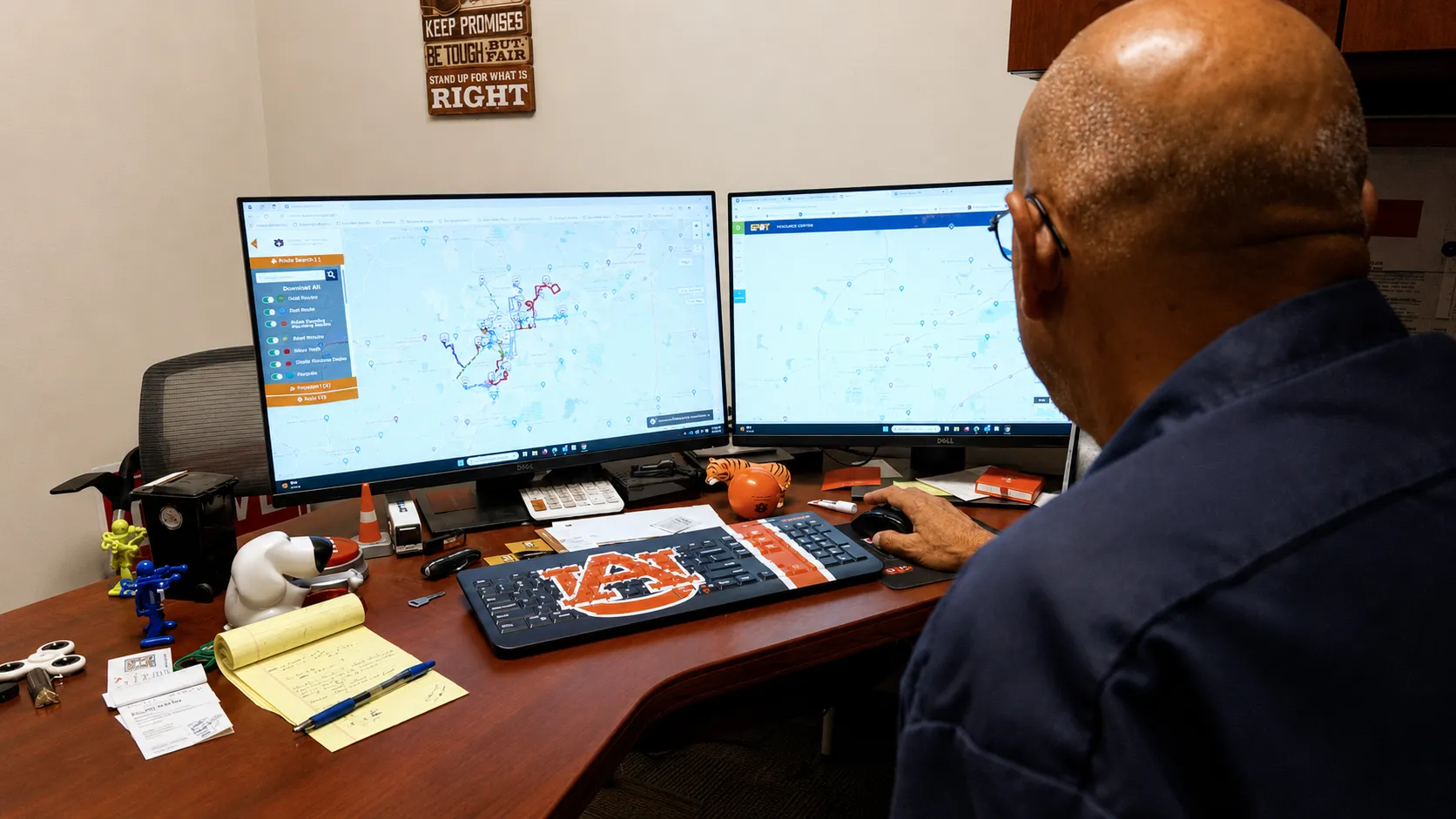
Operations teams are responsible for keeping service moving while conditions change around them.
A vehicle issue, detour, late pullout, missed trip, operator question, road condition, passenger incident, or field response can affect dispatch, supervisors, operators, rider information, and the data reviewed after service ends.
That work requires current information, reliable communication, and tools that fit the way service is actually managed.
ETA helps operations teams reduce blind spots and build a clearer connection between what happens in the field and what the agency can see, share, and review.
A clearer view of service, from dispatch to the field
ETA supports the daily work of operations by connecting real-time service visibility, operator tools, field communication, rider information, and operational data.
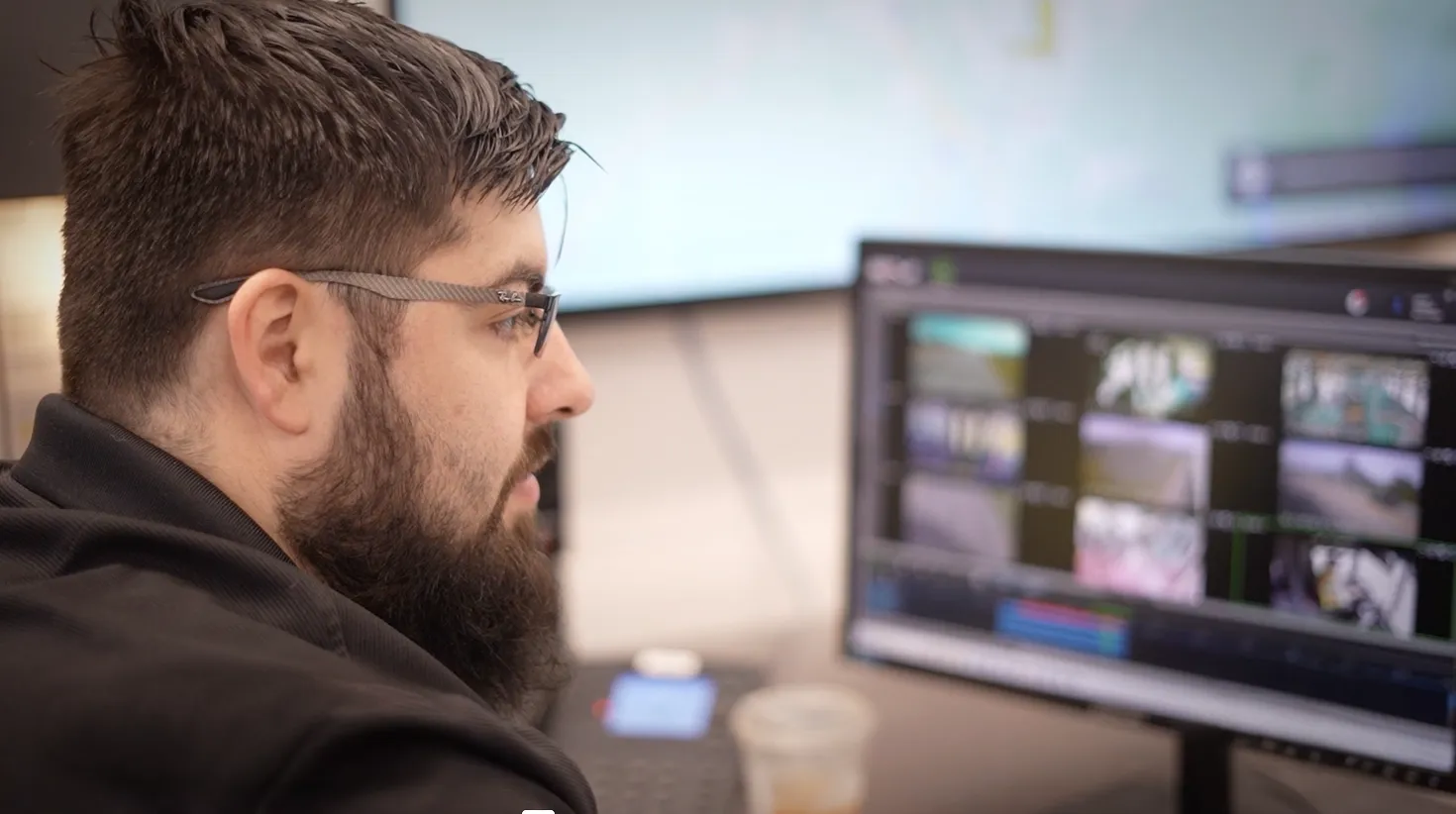
See service as it is operating
Give dispatchers and supervisors a clearer view of vehicle location, route activity, schedule performance, service conditions, and exceptions that may need attention.
Support operators and supervisors
Connect operators, dispatch, and field staff through practical tools for communication, service information, turn-by-turn support, and operational coordination.
Manage changes with less duplication
Help teams respond to detours, missed trips, service disruptions, and other changes without recreating the same information across disconnected systems.
Keep rider information aligned
Connect operational conditions to the rider-facing websites, apps, alerts, displays, announcements, and feeds passengers rely on.
Review what happened after service ends
Use service history, ridership data, on-time performance, incidents, and operational records to support follow-up, reporting, planning, and performance review.
Tools for the work of running service
Operations teams often feel technology problems first. ETA’s solutions are designed to support the people responsible for active service while helping the broader agency work from better information.
CAD/AVL
Support dispatch, operators, supervisors, and field operations with real-time service visibility, onboard tools, operational messaging, and connected vehicle information.
Rider Information
Keep tracking websites, apps, digital displays, onboard information, alerts, and GTFS/GTFS-RT feeds more closely aligned with what operations teams are managing.
Integrations
Connect ETA with compatible onboard equipment, radio, video, fare systems, vehicle health tools, inspections, headsigns, announcements, and other systems involved in daily service.
Reporting & Analytics
Turn service and ridership data into usable reporting for operations review, on-time performance, service history, and planning conversations.
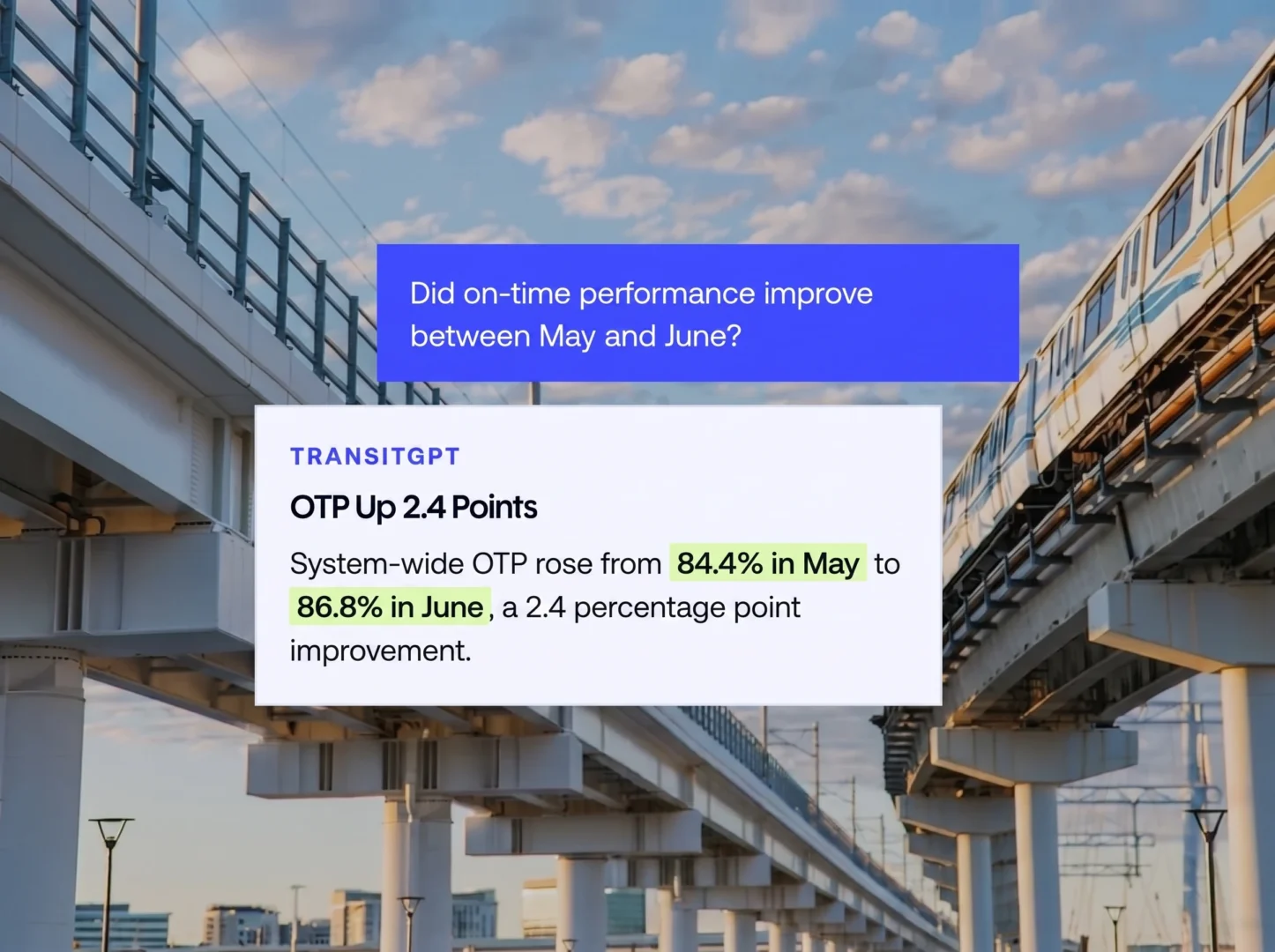
TransitGPT™
Help authorized staff ask plain-language questions about connected service data and review answers alongside the supporting context.
Technology has to work during the service day
Operations teams do not have the luxury of pausing service while technology catches up. New systems have to account for existing workflows, onboard hardware, dispatch practices, field communication, training needs, and the realities of implementation around active service.
ETA works with agencies to understand those conditions before defining a path forward.
Some agencies begin with CAD/AVL modernization. Others need stronger operator tools, better rider information, more dependable onboard hardware, or improved connections between the systems already involved in service.
The goal is a technology foundation that makes daily operations clearer and more manageable.
Bring us the agency challenge behind the technology decision
Talk with ETA about the operational, rider-information, reporting, integration, procurement, or modernization question your leadership team is working through.