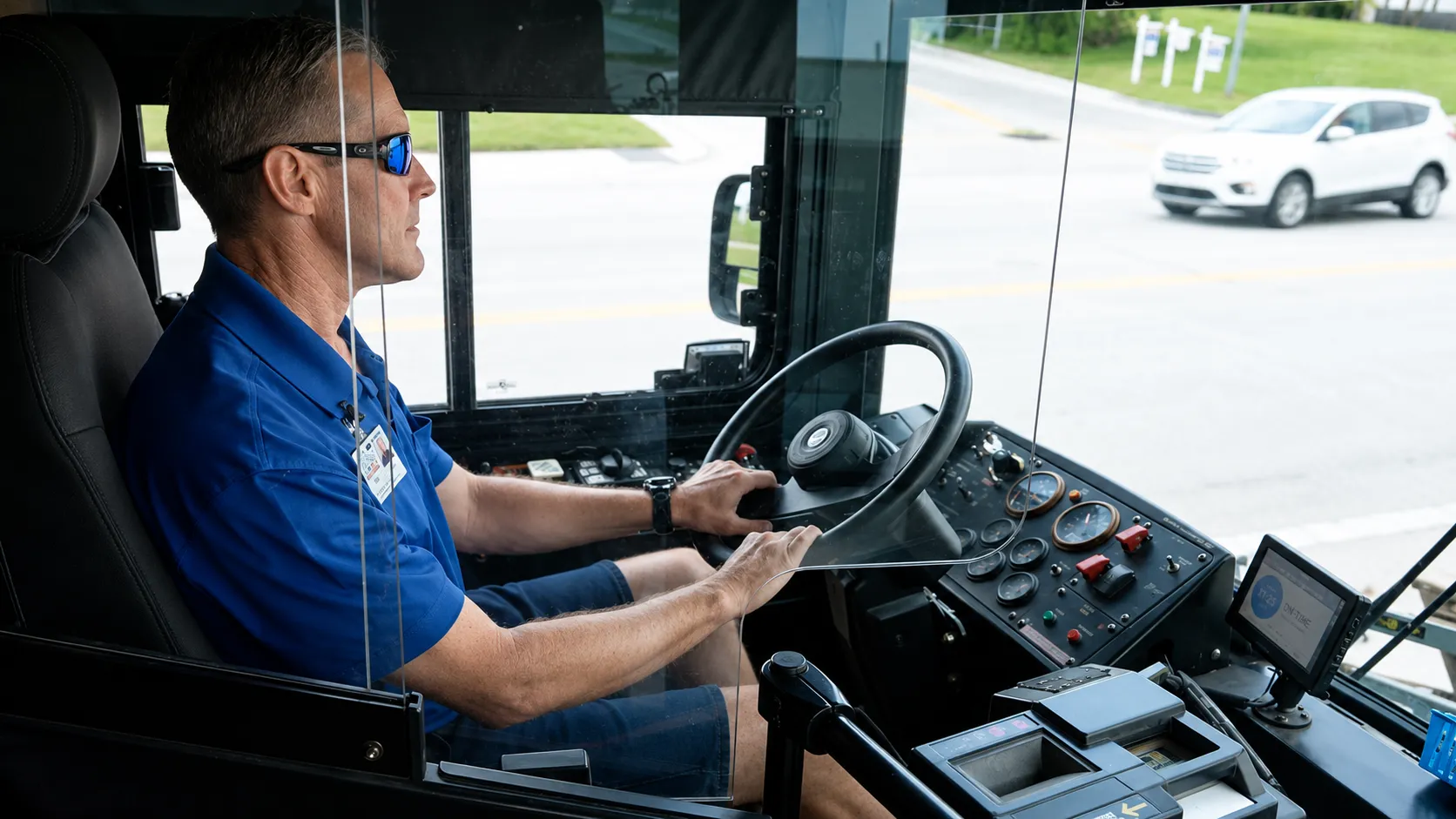
Reliable service depends on work riders rarely see

Riders experience transit as a trip. Agency staff manage it through constant coordination between operators, dispatchers, supervisors, maintenance teams, planners, customer service staff, and IT.
A delay, detour, missed trip, vehicle issue, or service change can affect more than one team. It can change what an operator needs to know, what dispatch sees, what a supervisor responds to, what riders are told, and what the agency needs to review afterward.
ETA works with agencies that need technology to make those handoffs more manageable: current service information in the field, rider communication that reflects operations, and data that remains useful after the day is over.
Technology decisions show up in daily service
Public transit technology is not simply a collection of screens and software subscriptions. It has to work across vehicles, dispatch, field supervision, rider-facing channels, reporting workflows, and the systems agencies already rely on. ETA helps agencies consider those connections before defining an approach.
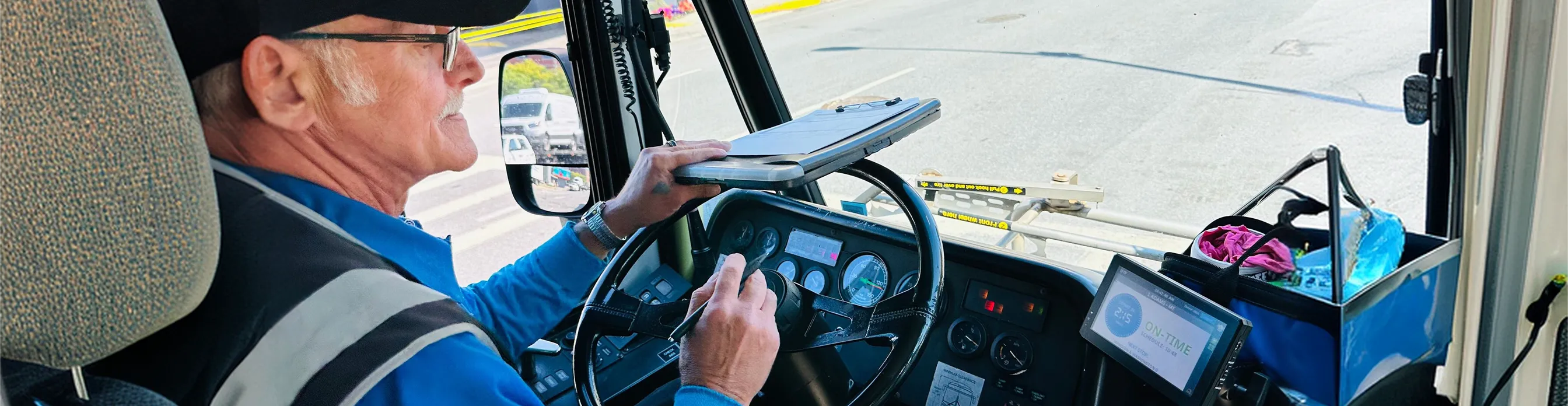
Field operations need dependable connections
Vehicle location, operator messages, service conditions, and supervisor response all depend on current information reaching the right people at the right time.
Rider information needs operational context
The information riders see in websites, apps, alerts, displays, and onboard announcements should be informed by the service teams are actually running, not only the schedule that was originally planned.
The right hardware is part of reliable service
A low-cost tablet can be useful for certain mobile tasks. It is not automatically the right foundation for an all-day fixed-route operation. In-vehicle equipment has to account for vibration, heat, power and connectivity conditions, mounting, operator use, supportability, and replacement cycles. ETA helps agencies determine where durable onboard hardware is warranted and where flexible mobile devices make more sense.
Connected solutions for the work of running transit
ETA’s solutions can be configured around the parts of your operation that need the most attention today, while supporting a more connected approach to service over time.
CAD/AVL
Support dispatch, supervisors, operators, and field operations with real-time service visibility, onboard tools, operational messaging, and connected vehicle information.
Rider Information
Keep tracking websites, mobile apps, digital displays, onboard information, alerts, and GTFS/GTFS-RT feeds more closely aligned with the service riders are experiencing.
Ridership & APC
Collect and review passenger data that helps agencies understand ridership by route, trip, stop, and time period.
Reporting & Analytics
Turn ridership and service data into usable reporting for APC certification, NTD workflows, service review, and planning.
Integrations
Connect ETA with the complementary systems that support your operation, including fare collection, radio, video, vehicle health, inspections, passenger counting, and rider-facing tools.
TransitGPT™
Help authorized staff ask plain-language questions about the transit data sources connected for their implementation, then review answers alongside the supporting data and context.
EXPLORE TRANSITGPT™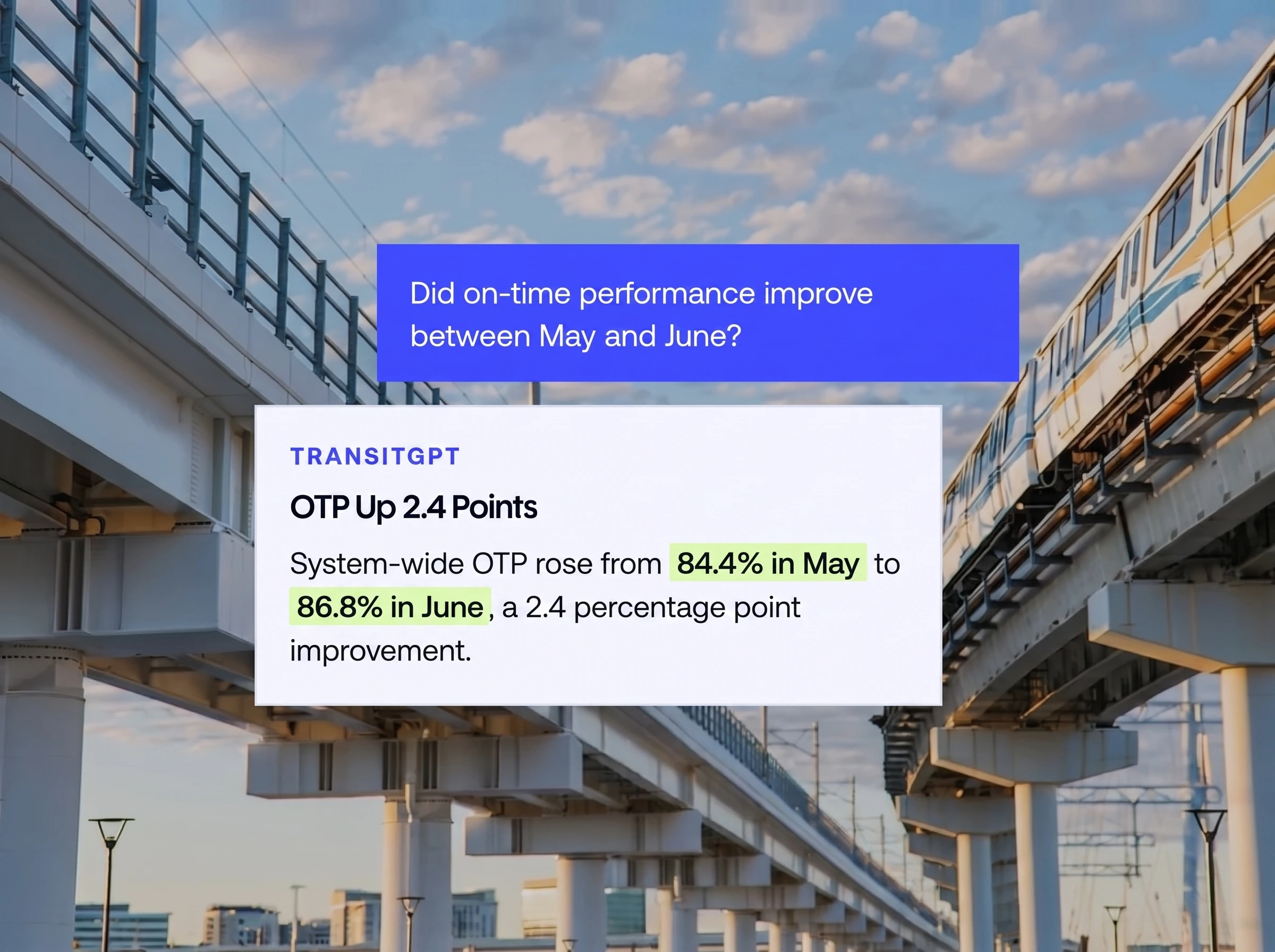
Modernize around the work that matters most
Updating transit technology is rarely one isolated decision. An agency may need to consider current onboard equipment, dispatch workflows, rider information, APC systems, reporting requirements, integrations, training, and the active service that still has to run throughout implementation.
ETA works with agencies to understand those conditions before defining a path forward.
Some begin with CAD/AVL modernization. Others begin with rider information, passenger data, reporting workflows, or a connection between systems already in use. The scope can account for what remains useful, what needs to change, and what will make the greatest difference for the people responsible for daily service.
The goal is not change for its own sake. It is a technology foundation that fits the service your agency operates today and supports the work ahead.
Build a stronger foundation for daily transit service
Talk with ETA about the operational, rider-information, reporting, hardware, or integration challenges creating the most work for your agency today.