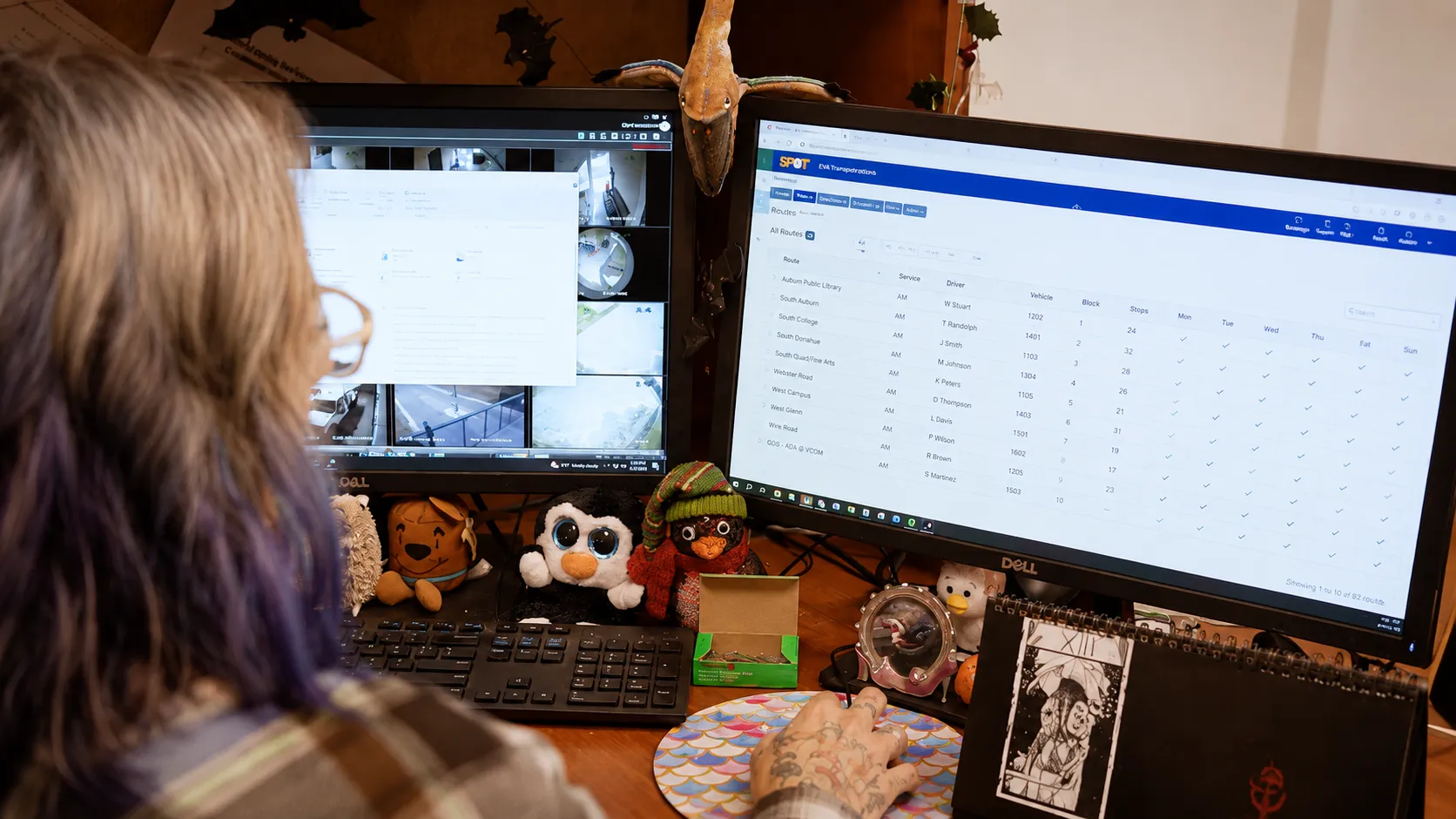
Good planning depends on more than the schedule
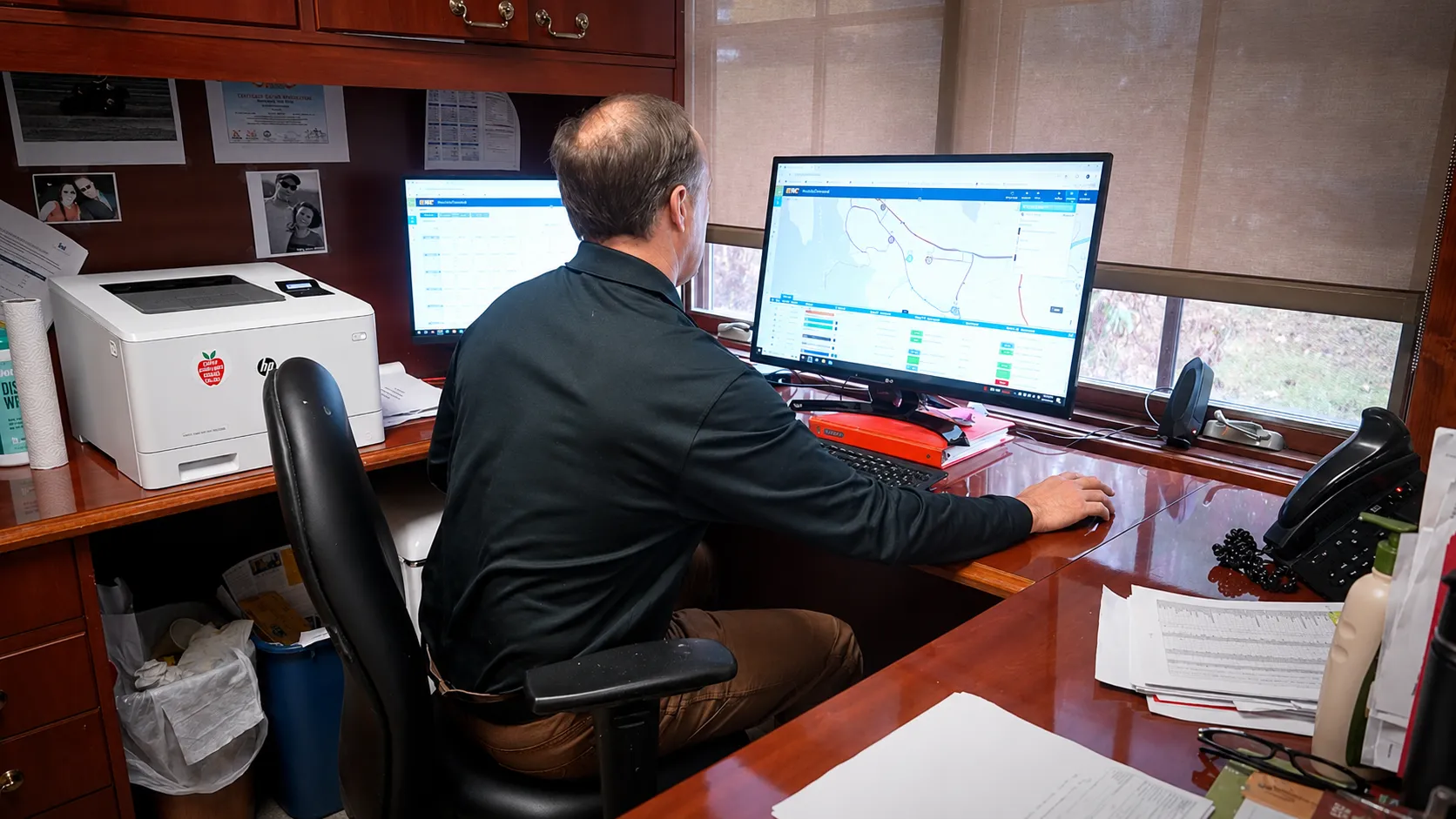
Planning and scheduling teams are asked to understand how service is performing, how riders are using it, and how changes may affect the people and communities the agency serves.
That work often depends on information from multiple places: CAD/AVL, APC, scheduling systems, surveys, rider feedback, field observations, GTFS, public data, and reports prepared for internal review.
When the data is disconnected, incomplete, or difficult to explain, planning work becomes harder than it needs to be.
ETA helps planning teams connect service data with the operating context behind it, so they can review performance, evaluate changes, and support decisions with clearer information.
Turn service history into useful planning context
ETA supports planning and scheduling work by helping agencies connect the data behind service performance, ridership, rider information, and reporting.
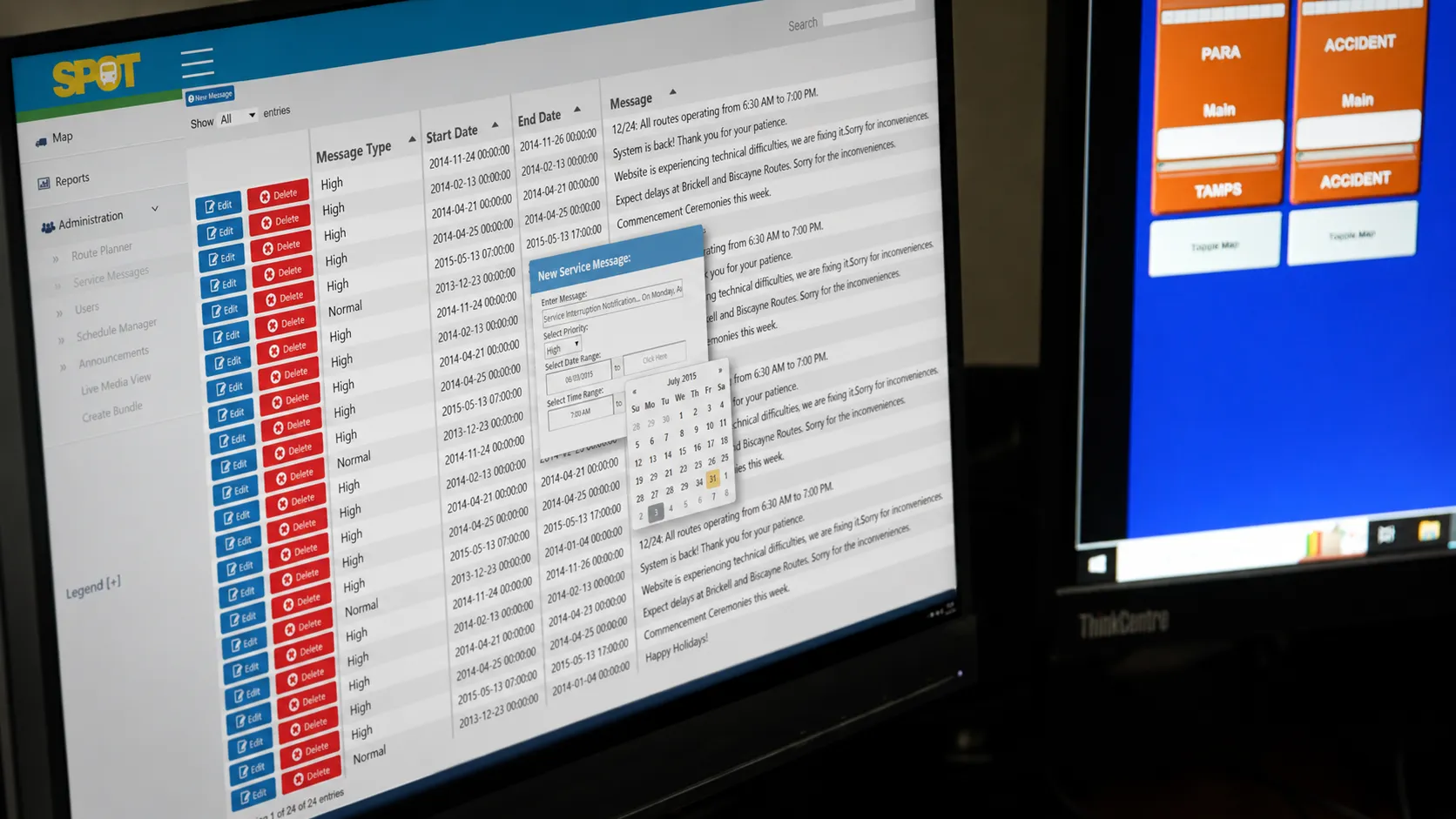
Understand how service actually operated
Review on-time performance, missed trips, detours, service history, route activity, and operational conditions that may affect how a route or schedule performed.
Review ridership with service context
Connect passenger counts with routes, trips, stops, time periods, service levels, and operating history so ridership trends are easier to interpret.
Support service changes and public information
Help keep rider-facing information, alerts, GTFS/GTFS-RT feeds, displays, and trip- planning tools aligned with the service changes planning and operations teams are managing.
Prepare clearer reports and recommendations
Use ridership, on-time performance, service history, and reporting workflows to support board materials, internal review, grant conversations, and service-planning decisions.
Compare performance with better context
Use standardized data and peer comparisons to understand how agency performance fits within a broader operating environment.
Tools for reviewing, explaining, and improving service
Planning teams need more than exported data. They need information that is connected to routes, trips, stops, schedules, rider behavior, and the operating conditions behind the numbers.
Reporting & Analytics
Turn ridership and service data into usable reporting for APC certification, NTD workflows, service review, and planning.
Ridership & APC
Collect and review passenger data by route, trip, stop, and time period to better understand how riders are using service.
CAD/AVL
Use service history, on-time performance, vehicle location, detours, missed trips, and operational records to understand how service operated.
Rider Information
Keep tracking websites, apps, digital displays, onboard information, alerts, and GTFS/GTFS-RT feeds aligned with planned and active service changes.
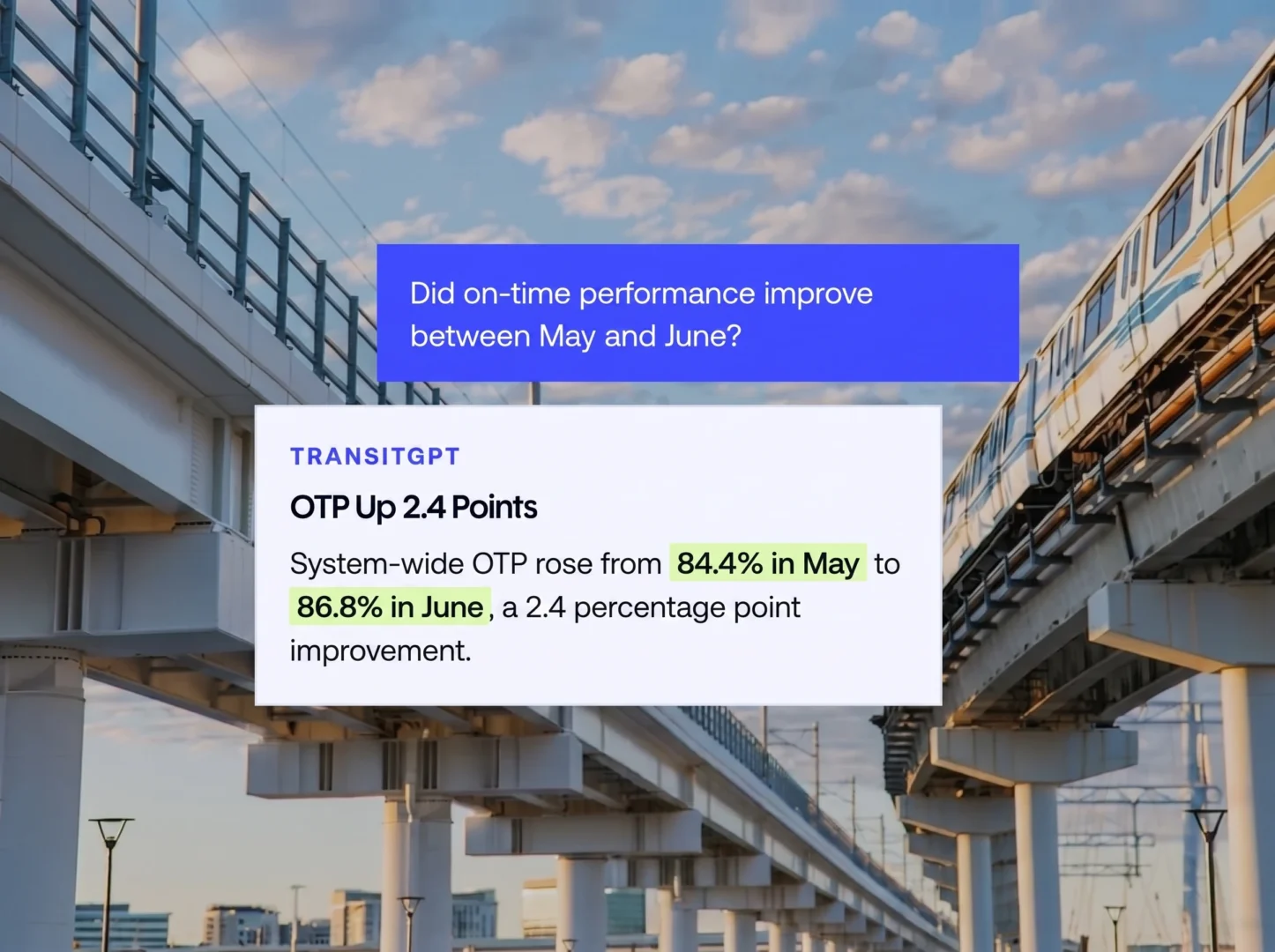
TransitGPT™
Help authorized staff ask plain-language questions about connected agency data and review answers alongside the supporting context.
TransitBase™
Compare service, ridership, operating, and performance measures with relevant peers using National Transit Database data.

Better planning starts with more usable service information
Planning teams often inherit the reporting burden created by disconnected systems. A route change, detour, missed trip, passenger-counting issue, or data-quality problem can show up later as a planning question that takes hours to investigate.
ETA helps agencies build a stronger foundation for planning work by improving how service information is collected, connected, reviewed, and explained.
Some agencies begin with ridership and APC workflows. Others need clearer on-time performance reporting, better GTFS and rider- information coordination, peer comparison, or a more practical way to review service history.
The goal is to help planning teams spend less time assembling context and more time using it.
Bring us the planning work creating the most friction
Talk with ETA about the ridership, service-performance, reporting, rider- information, or peer-comparison questions your planning team is working through.