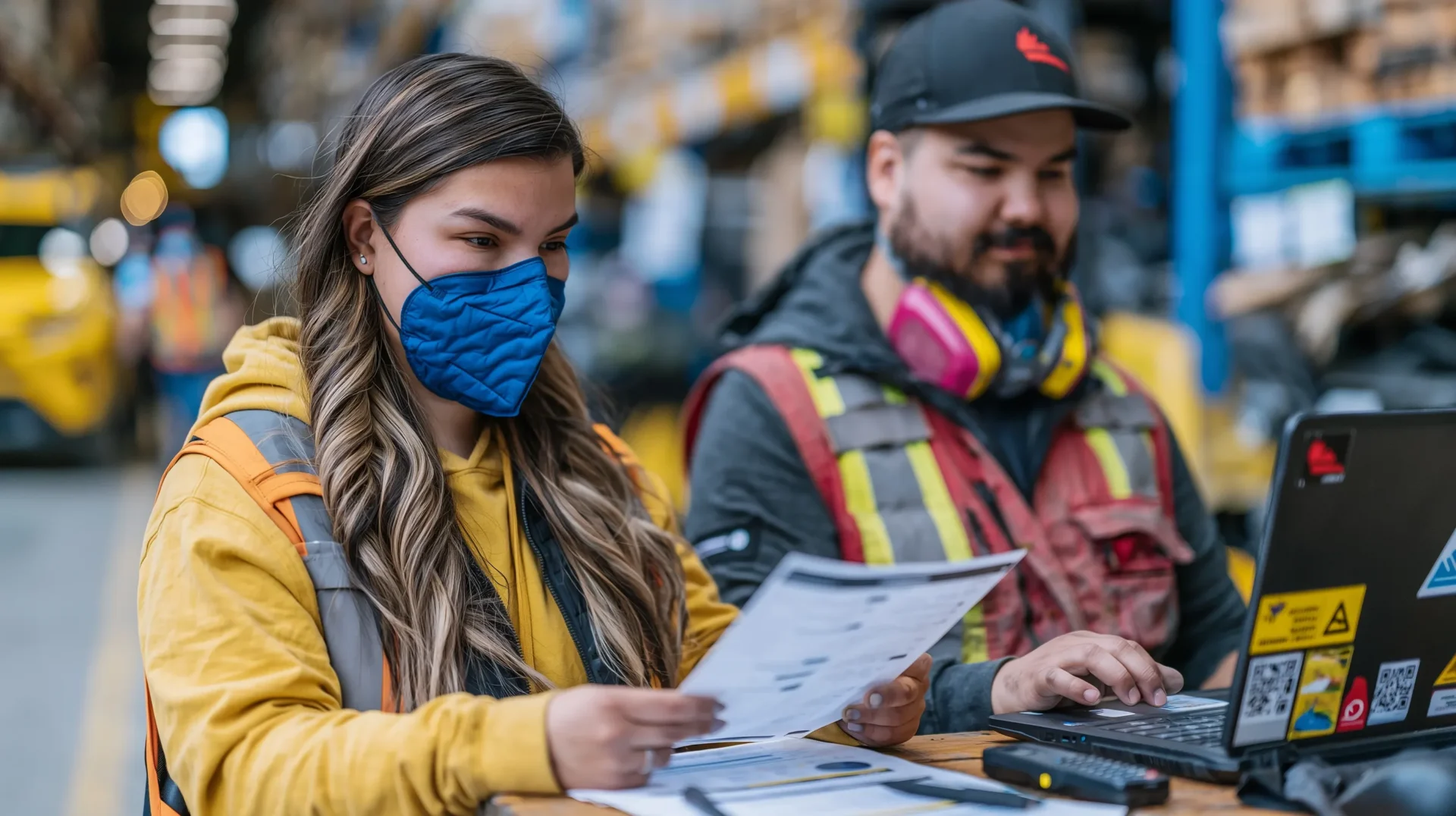
Safety work depends on what happened before, during, and after an event
Safety managers are often asked to understand events that involve more than one part of the operation.
A vehicle incident, passenger issue, operator report, service disruption, security concern, detour, or field response can involve dispatch, supervisors, operators, maintenance, customer service, leadership, and sometimes outside responders.
To review those events, safety teams need more than a single note or timestamp. They need context: where the vehicle was, what service was operating, who was involved, what communication occurred, and what changed afterward.
ETA helps safety teams work from clearer operational information so incidents, service conditions, and follow-up activity are easier to review and explain.
Connect safety review with the service context around it
ETA supports safety work by helping agencies connect real-time operations, service history, incident information, onboard systems, rider communication, and reporting workflows.
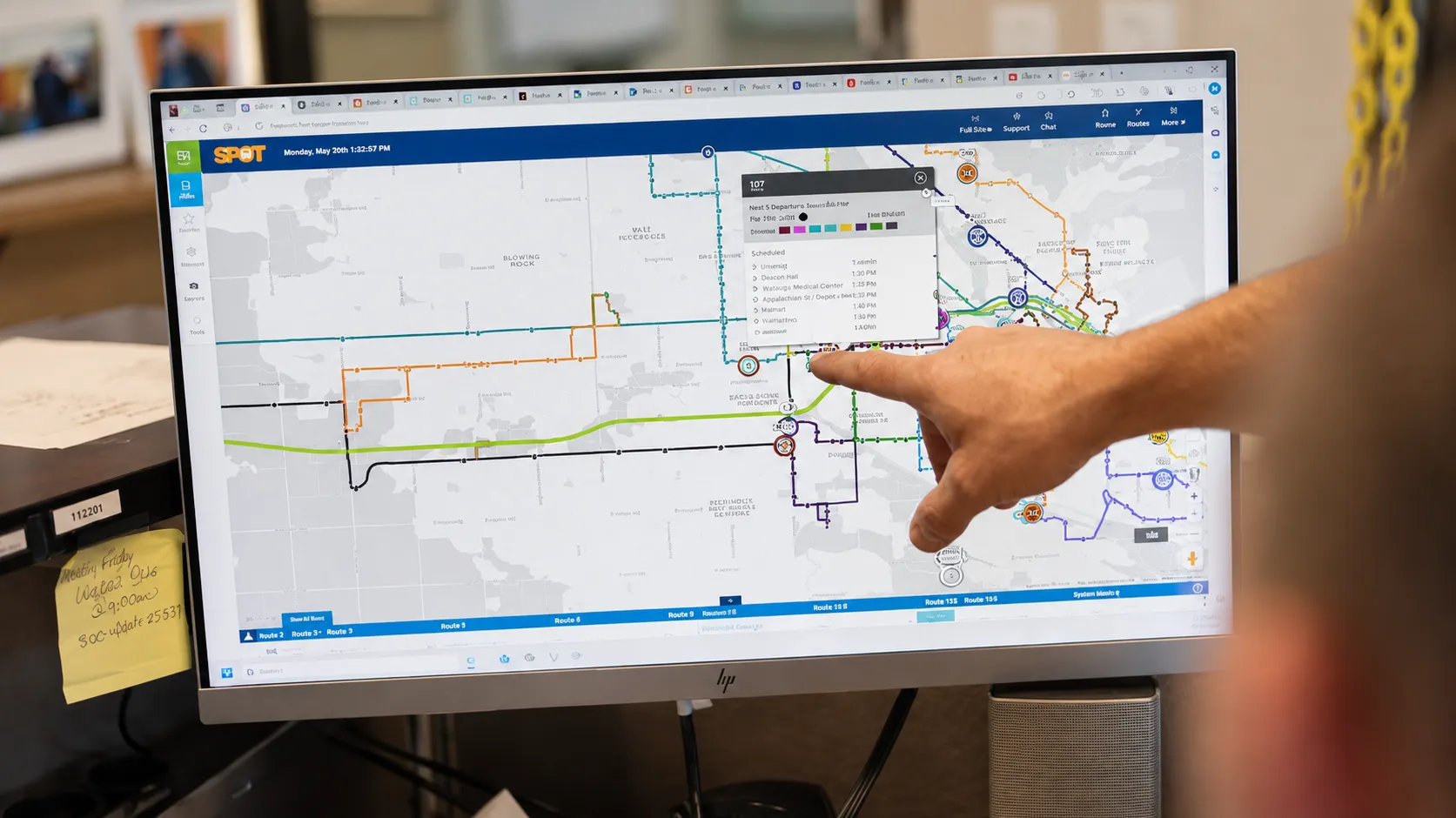
Review events with service context
Use vehicle location, route activity, service history, operator information, and timing to better understand what was happening around an incident or safety concern.
Support coordination with operations
Help dispatchers, supervisors, operators, and safety staff work from a clearer shared picture when an event requires attention or follow-up.
Connect onboard and field information
Integrate with compatible onboard and operational systems such as radio, video, vehicle health, inspections, and other tools that may support review and response.
Document patterns over time
Use service records, incident activity, ridership context, and operational history to identify recurring issues that may deserve additional review.
Keep rider communication aligned when service changes
When safety or security events affect service, help rider-facing information reflect the operational response through alerts, displays, feeds, and other communication channels.
Tools for visibility, coordination, and review
Safety teams need operational information they can trust, especially when an event requires follow-up across departments. ETA’s solutions help connect the service picture with the records and systems that support review.
CAD/AVL
Use real-time service visibility, vehicle location, service history, operator activity, operational messaging, and field coordination tools to support review and response.
Integrations
Connect ETA with compatible systems that may support safety review, including radio, video, vehicle health, inspections, onboard equipment, and other operational tools.
Reporting & Analytics
Turn service, ridership, incident, and operational data into useful reporting for safety review, internal follow-up, leadership discussions, and recurring issue analysis.
Rider Information
Keep riders informed when incidents, detours, or service changes affect what they need to know before or during a trip.
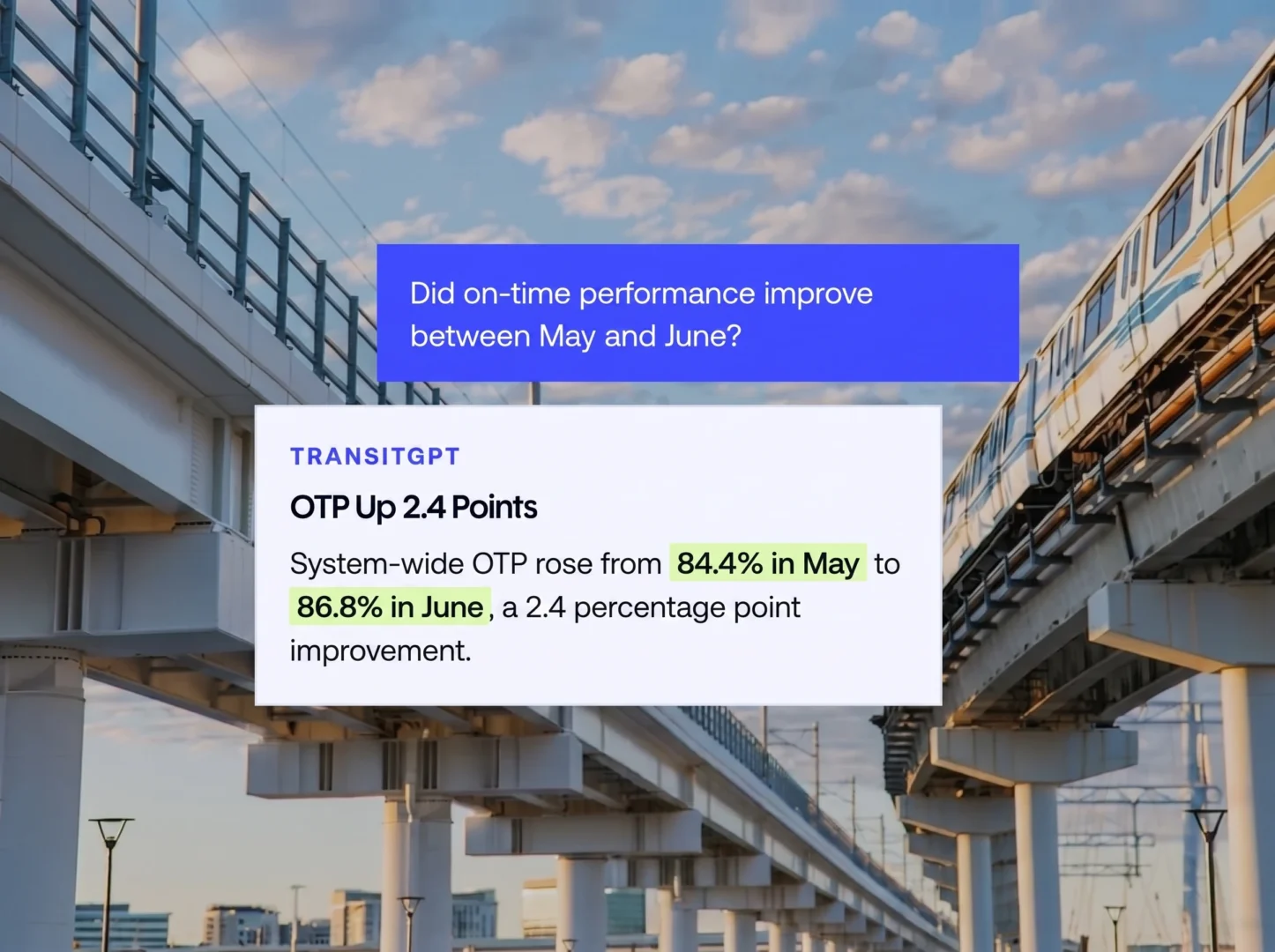
TransitGPT™
Help authorized staff ask plain-language questions about connected service data and review answers alongside the supporting context.
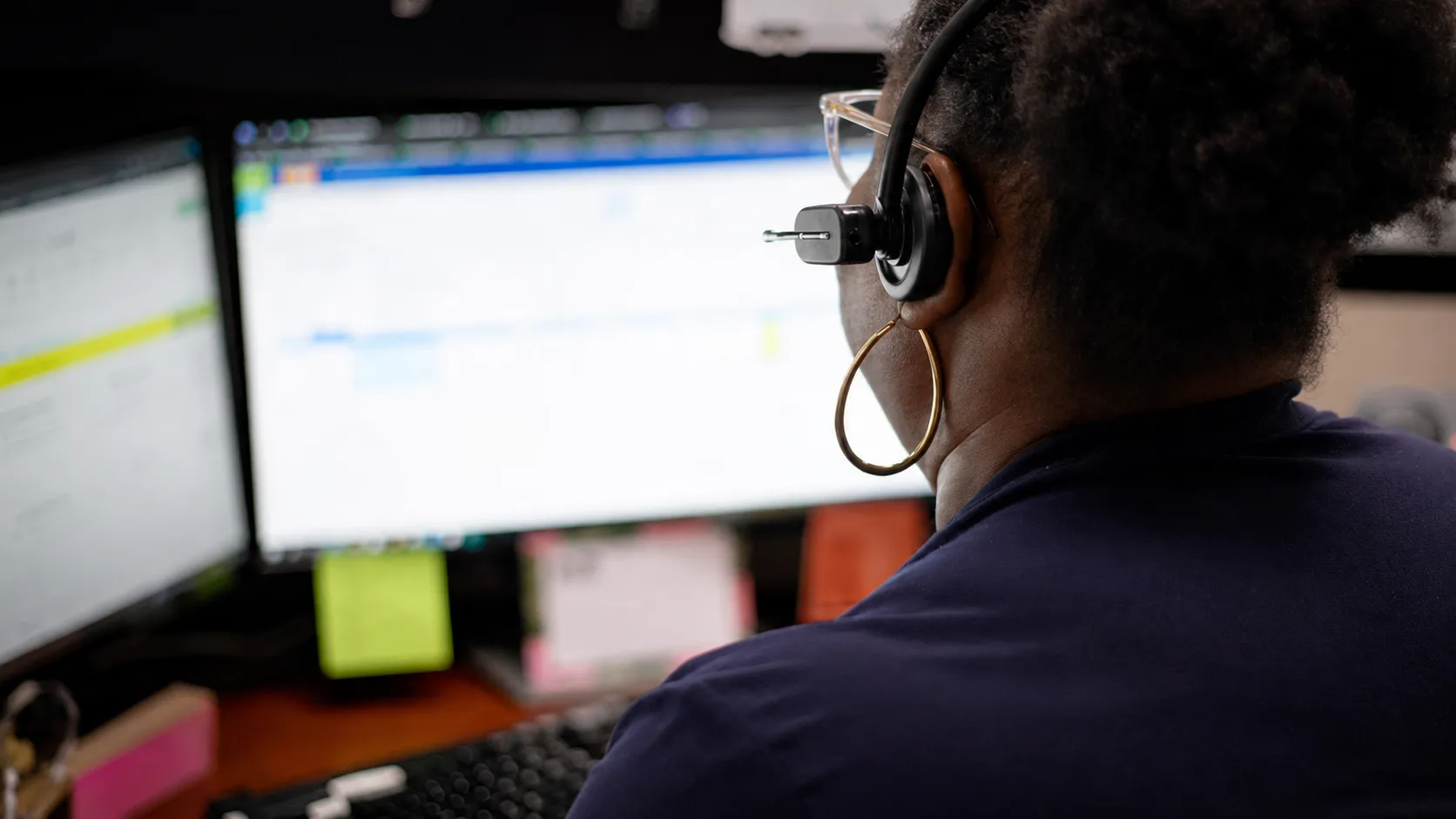
Safety review is stronger when systems are connected
Safety teams often rely on information created by other parts of the agency. When vehicle records, service history, operator communication, incident notes, onboard systems, and reporting tools are disconnected, review takes longer and context can be harder to reconstruct.
ETA helps agencies build a stronger foundation for safety-related work by improving how operational information is captured, connected, and reviewed.
Some agencies begin with CAD/AVL modernization. Others need better incident review workflows, stronger integrations with onboard systems, clearer reporting, or more reliable information from the field.
The goal is to help safety teams understand events with better context and support the people responsible for daily service.
Bring us the safety work that needs better context
Talk with ETA about the service visibility, incident review, onboard system, rider-information, or reporting challenges your safety team is working through.