
Rider information is easier to manage when it reflects the service teams are already running
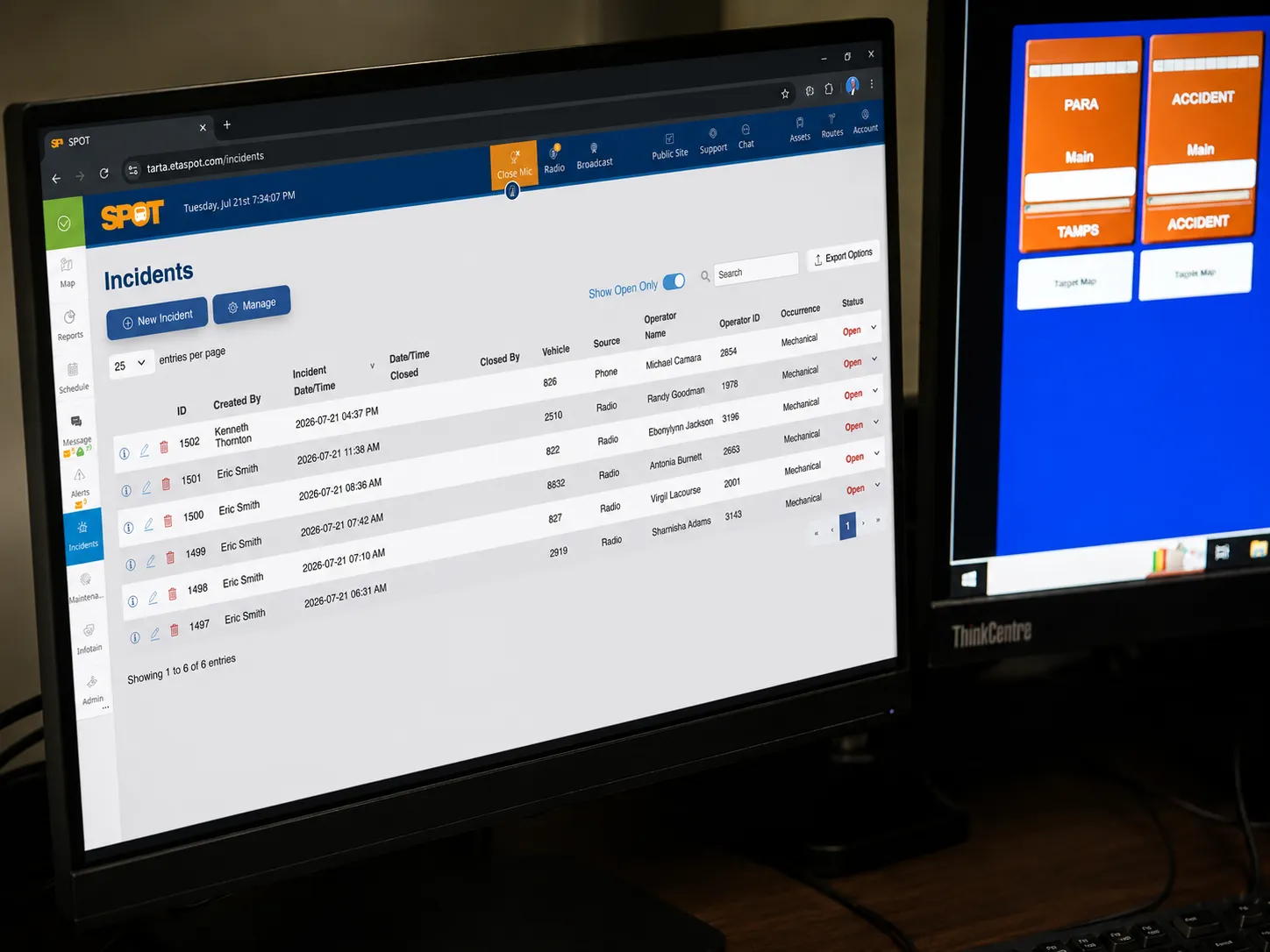
Transit agencies communicate with riders through several channels, including tracking websites, mobile apps, stop displays, onboard information, alerts, and third-party trip-planning tools.
Keeping those channels aligned can require staff to manage the same service information in multiple places. A delay, detour, stop change, canceled trip, or planned schedule adjustment may need to be reflected in rider-facing tools while operations, customer service, and communications teams are managing their own responsibilities.
When those channels are disconnected, agencies may spend more time recreating updates, answering routine questions, and resolving inconsistencies between what riders see and what staff know about service.
ETA helps agencies connect rider-facing information to the service conditions their teams are already managing.
Clearer information for riders. Less duplicated work for your team.
Rider information is not only about giving people another screen to check. It is about giving agency staff a more consistent way to communicate service, reduce avoidable confusion, and help riders make informed decisions about their trips.
Less manual communication work
Help staff manage service updates across configured rider-facing channels without rebuilding the same message in separate systems.
Fewer mismatched messages
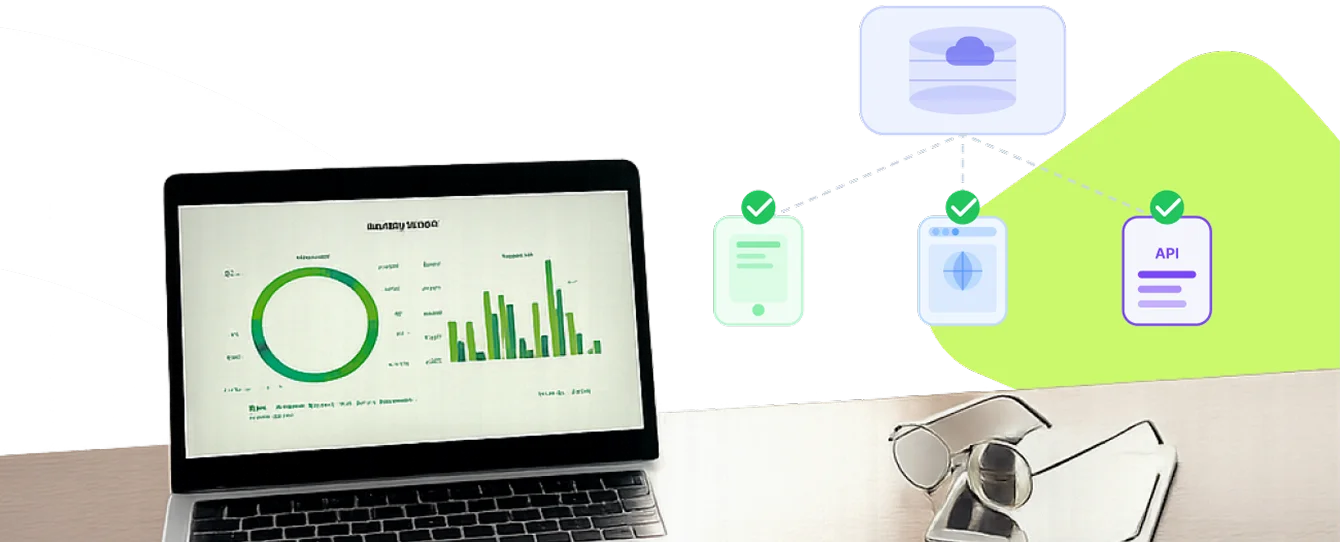
Keep arrivals, alerts, signage, apps, and data feeds more closely aligned with the operational picture behind service.
More consistent communication about service changes
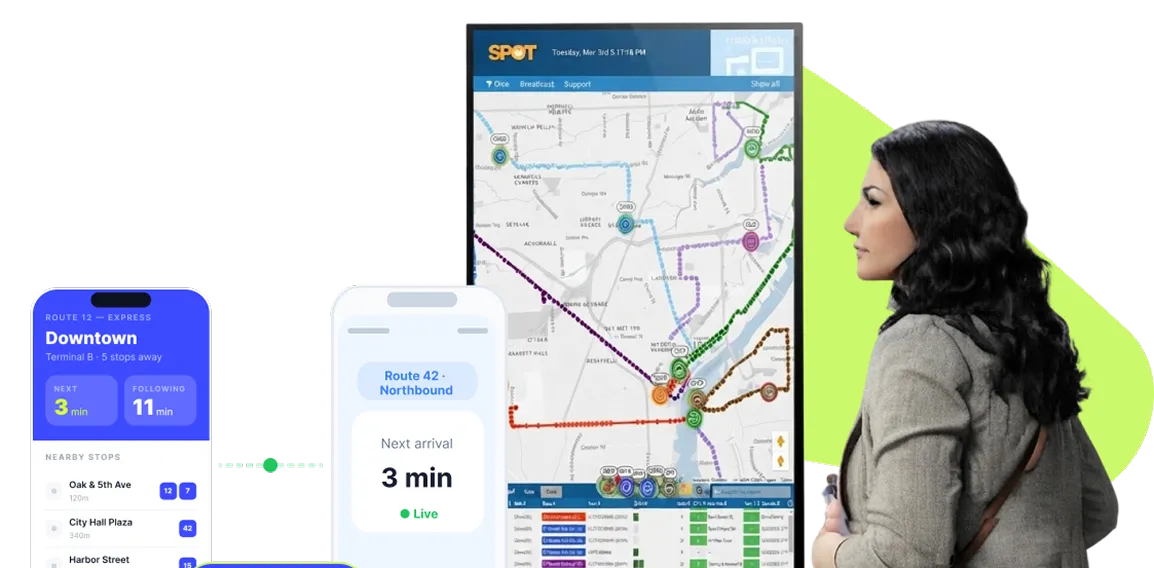
Give riders clearer information about delays, detours, stop changes, and other service adjustments through the channels they already use.
Better support for customer-facing teams
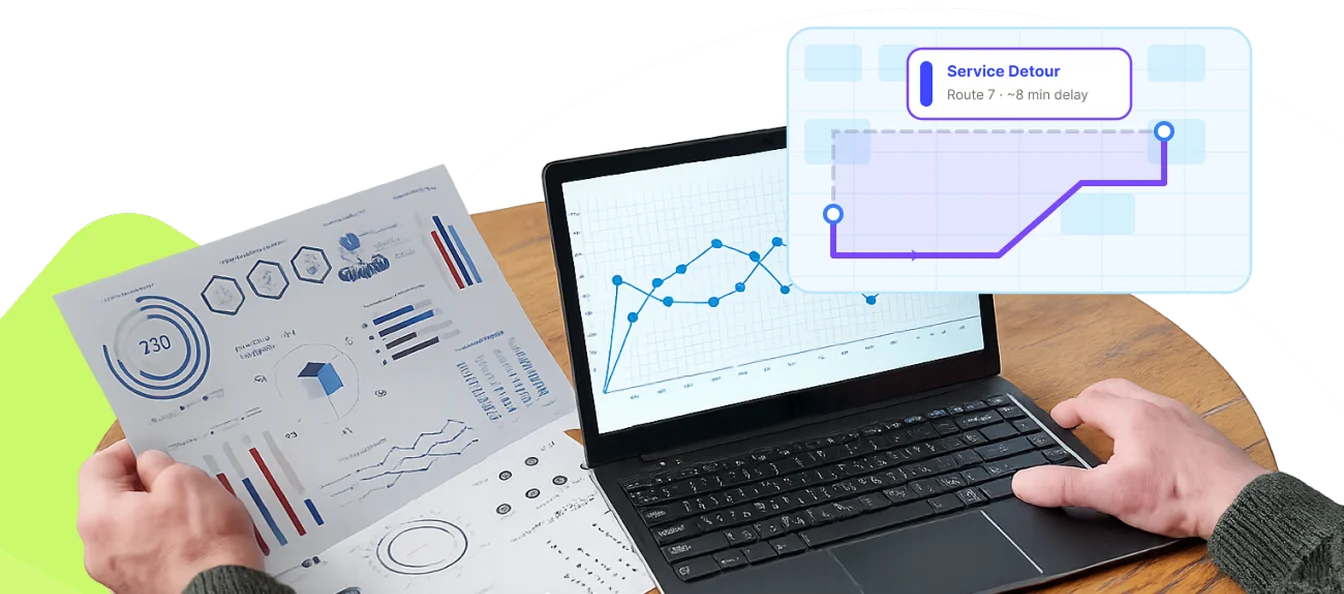
Help customer service, operations, and communications teams work from a more consistent view of what riders are seeing.
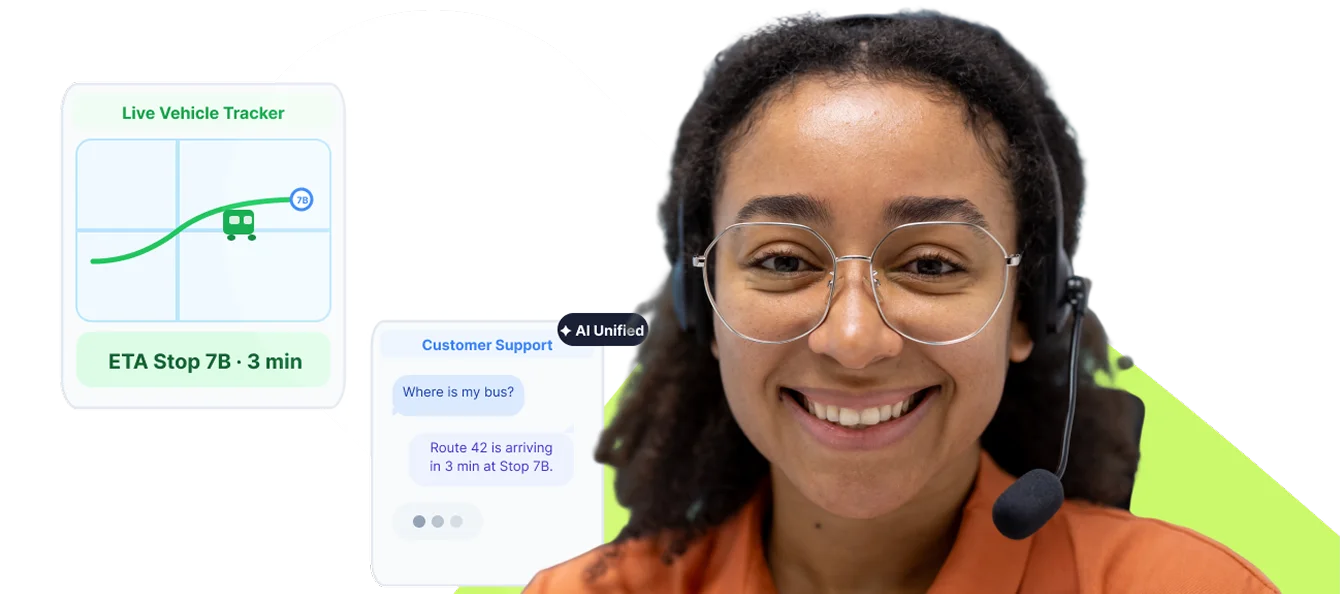
One service picture. Multiple ways to reach riders.
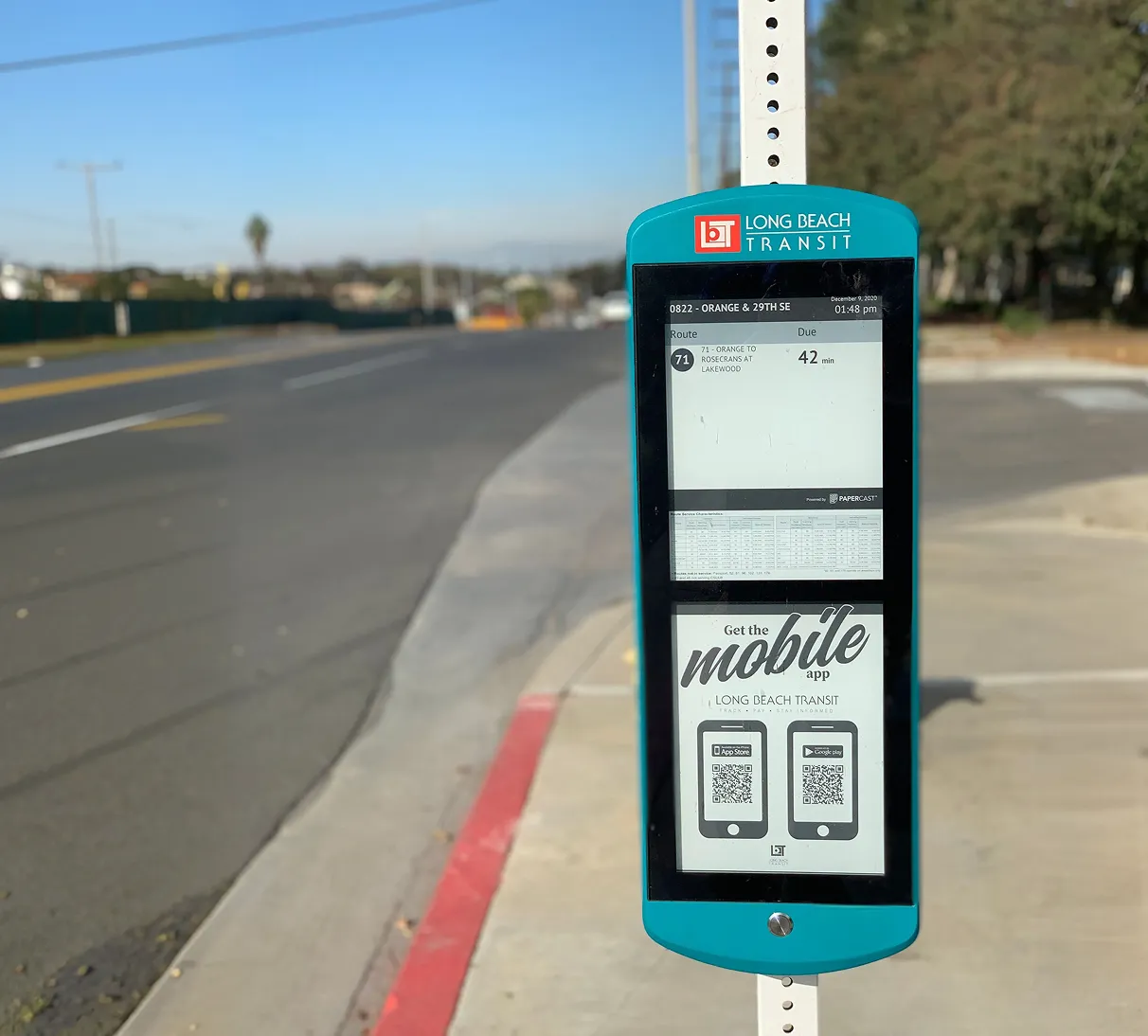
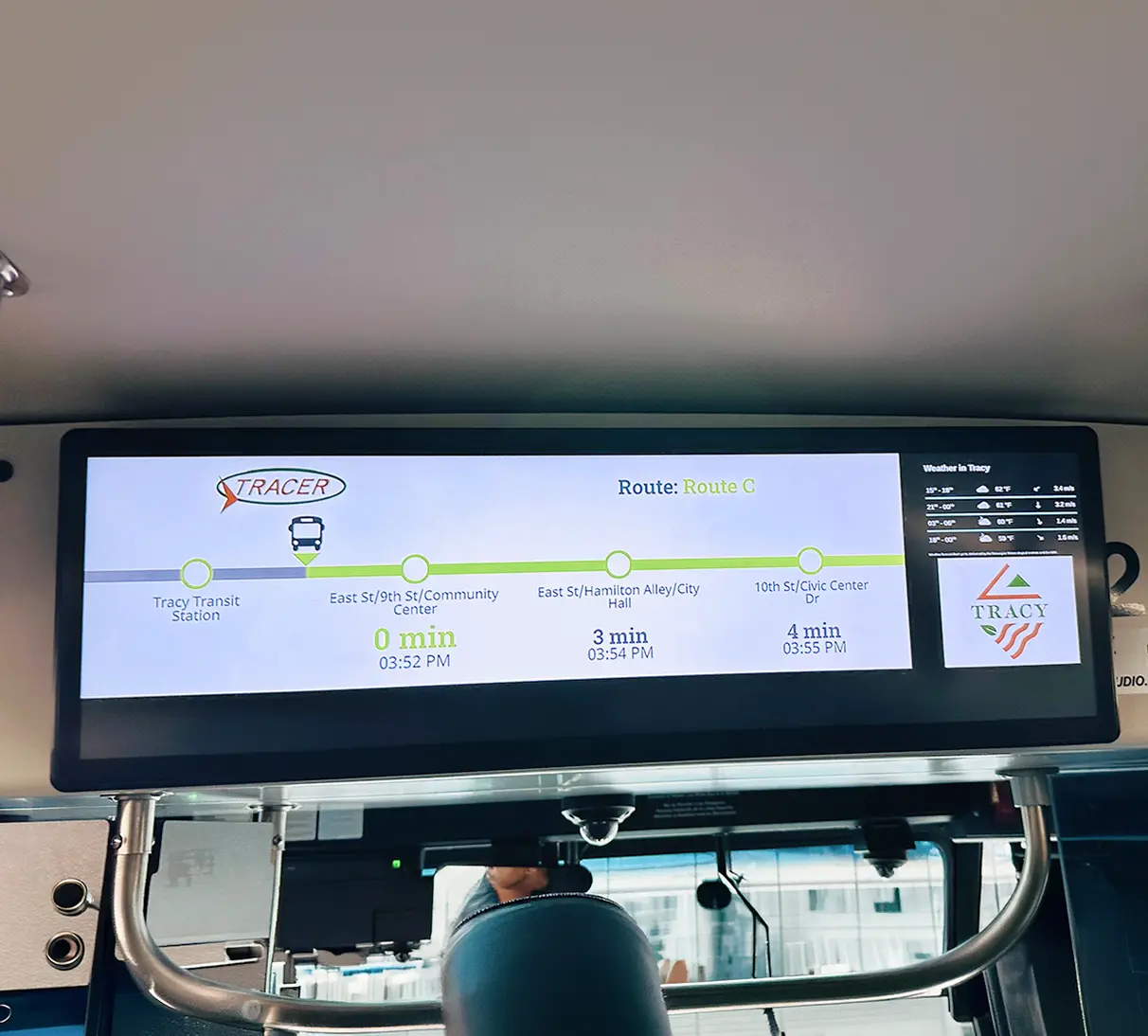
Riders use different channels at different points in a trip. They may check a phone before leaving home, look for information at a stop, use an onboard display during the ride, or rely on alerts when service changes.
ETA helps agencies connect those touchpoints to the operational context behind service, so rider information can reflect what is happening in the field rather than relying only on the scheduled plan.
A service condition changes
A trip may run late, a detour may begin, a stop may change, or another condition may affect normal service.
Agency teams manage the service response
Operations teams and authorized staff use the appropriate tools and workflows to manage the service change, while customer-facing teams can work from the same service context.
Rider-facing information can update
Configured arrivals, alerts, digital displays, apps, onboard information, and data feeds can reflect the updated service context.
Riders receive clearer trip information
Riders can better understand what changed, what to expect, and how the change may affect their trip.
Use the channels that fit how your riders travel
ETA supports rider information across the channels agencies use before, during, and after a trip.
Give riders useful information before they arrive at the stop
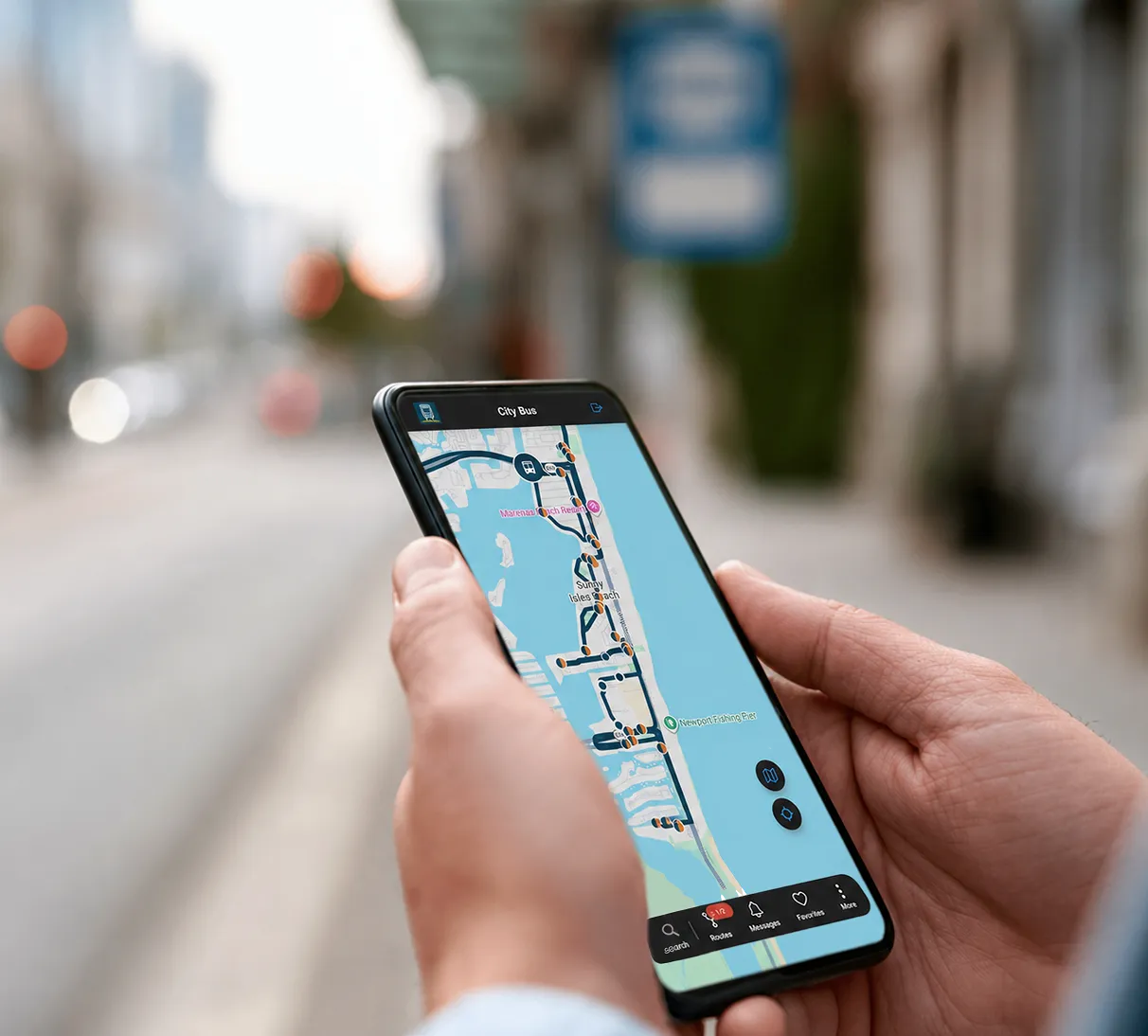
Help riders check arrivals, track vehicles, review routes, receive alerts, and plan trips from a browser or mobile device.
This gives riders a more direct way to understand service conditions before they leave home or arrive at a stop, while helping agencies reduce uncertainty around routine trip questions.
- Live vehicle tracking
- Arrival predictions
- Route and stop information
- Service alerts and messages
- Trip-planning support
- Agency-branded web experience
- Rider feedback tools where included
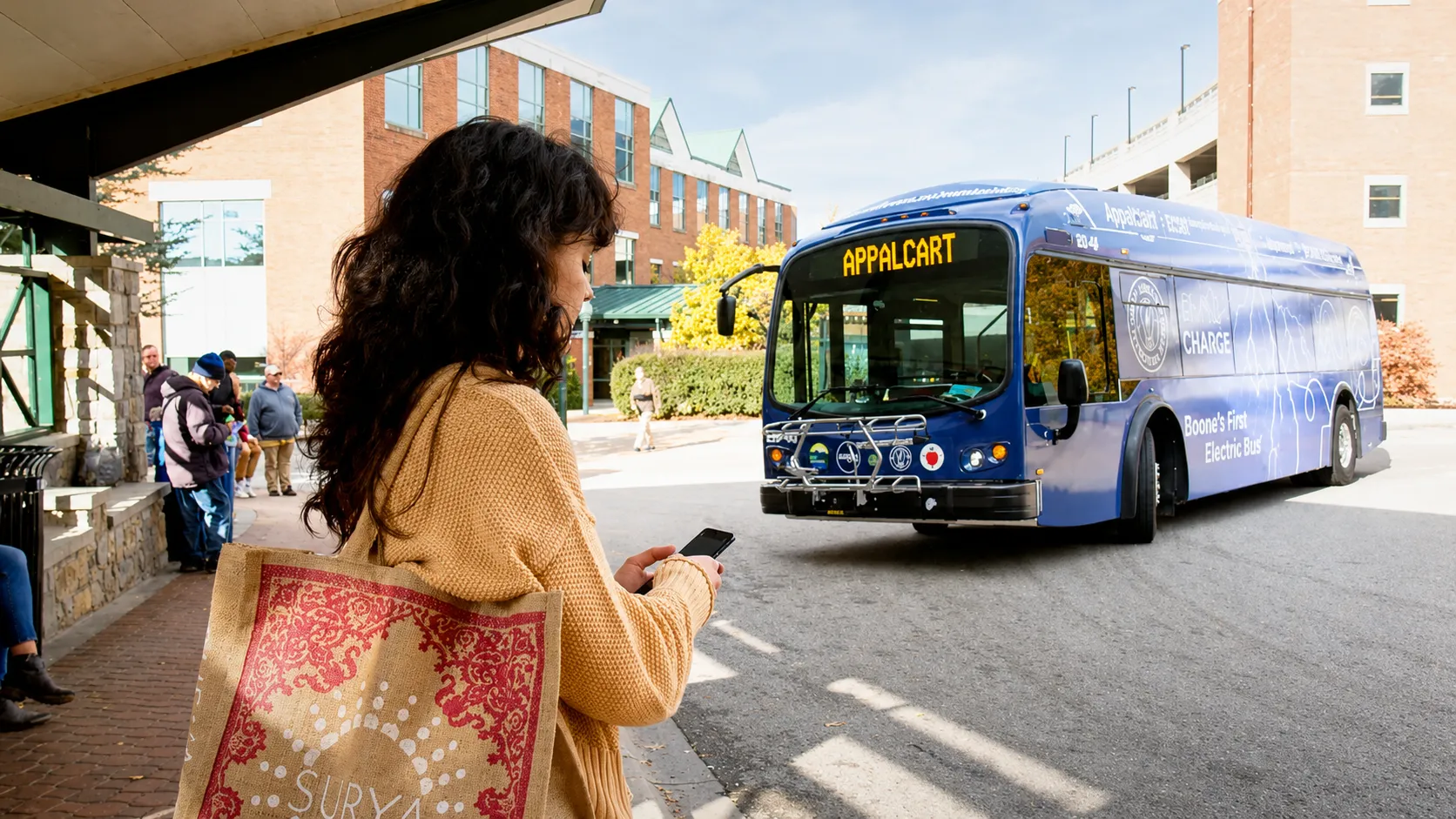
Rider information for routine changes in service
Rider information becomes more difficult to manage whenever service changes from the scheduled plan. Detours, delays, stop changes, special events, and planned service adjustments can require updates across several rider-facing channels.
ETA helps agencies connect the service conditions they are managing with the information riders receive through configured apps, displays, alerts, onboard tools, and data feeds.
Detours and stop changes
Help riders understand when a stop has moved, a route has shifted, or a temporary pattern is in place.
Delays and service adjustments
Give riders clearer information when trips are late, interrupted, or operating differently than scheduled.
Planned changes and special events
Share advance information for holiday schedules, construction, seasonal service, special events, and planned detours.
Onboard communication
Reinforce trip information, agency notices, and service messages during the ride.
Give riders a clearer view of their trip
Talk with ETA about the channels your agency uses today, the service updates that are difficult to communicate, and the information riders need throughout their trip.