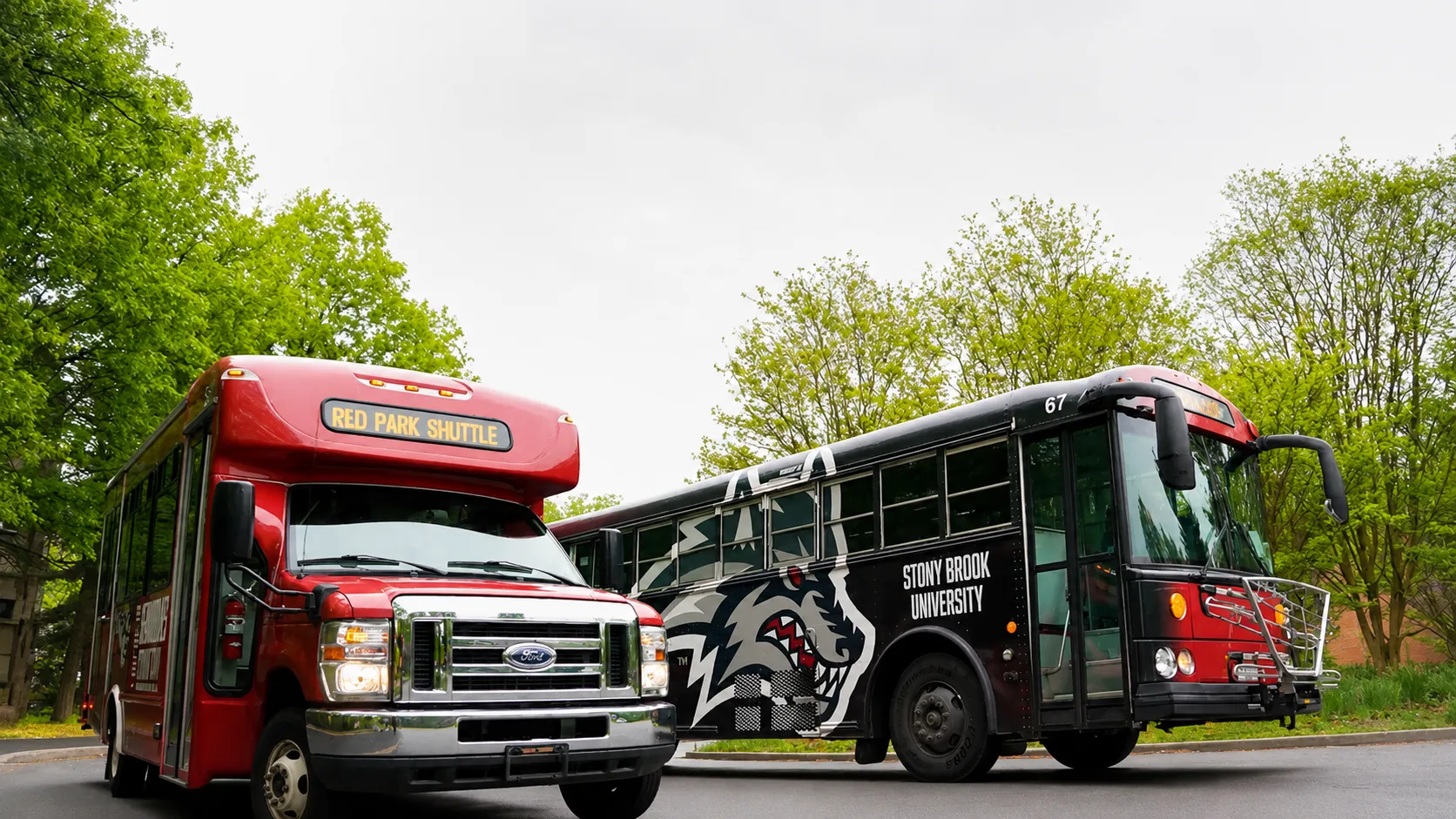
A shuttle trip is often part of something more important
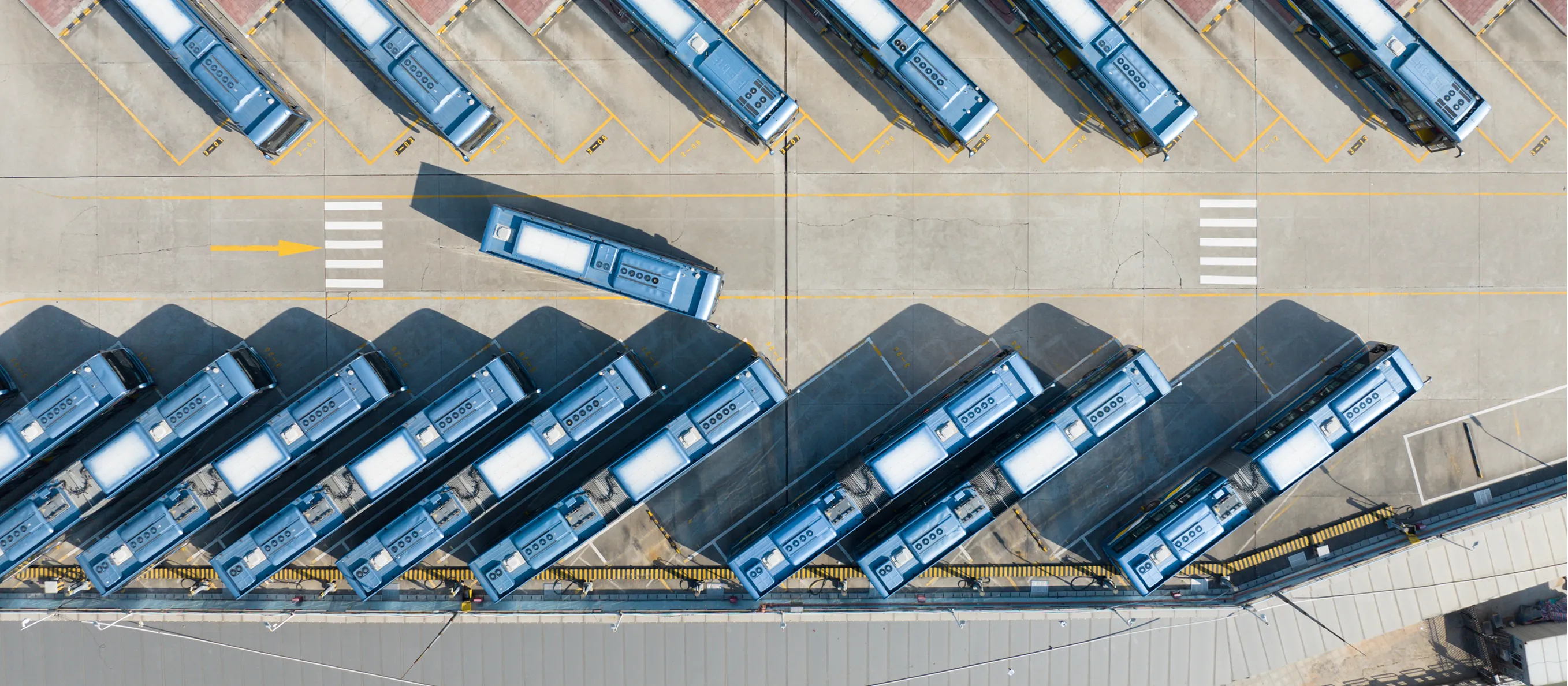
Shuttle riders may be catching a flight, getting to class, arriving for a shift, reaching an appointment, returning to their vehicle, or moving between locations they do not know well.
That makes reliable, understandable service important even when the trip itself is short.
Behind each trip are operators managing recurring loops or scheduled runs, dispatchers and supervisors responding to changing conditions, staff communicating arrival information, and facility teams coordinating service around terminals, parking areas, campuses, or buildings.
ETA works with shuttle operators that need a clearer view of service, better support for the people in the field, and information riders can use with confidence.
Shuttle operations have their own operating rhythm
Shuttle service does not always follow the same patterns as fixed-route transit. Some operations run on frequent loops where headway matters most. Others depend on scheduled departures, timed connections, shift changes, flight activity, class schedules, appointments, events, or demand at a particular facility. Technology needs to reflect those conditions across vehicles, dispatch, rider-facing channels, and the systems supporting the broader operation.
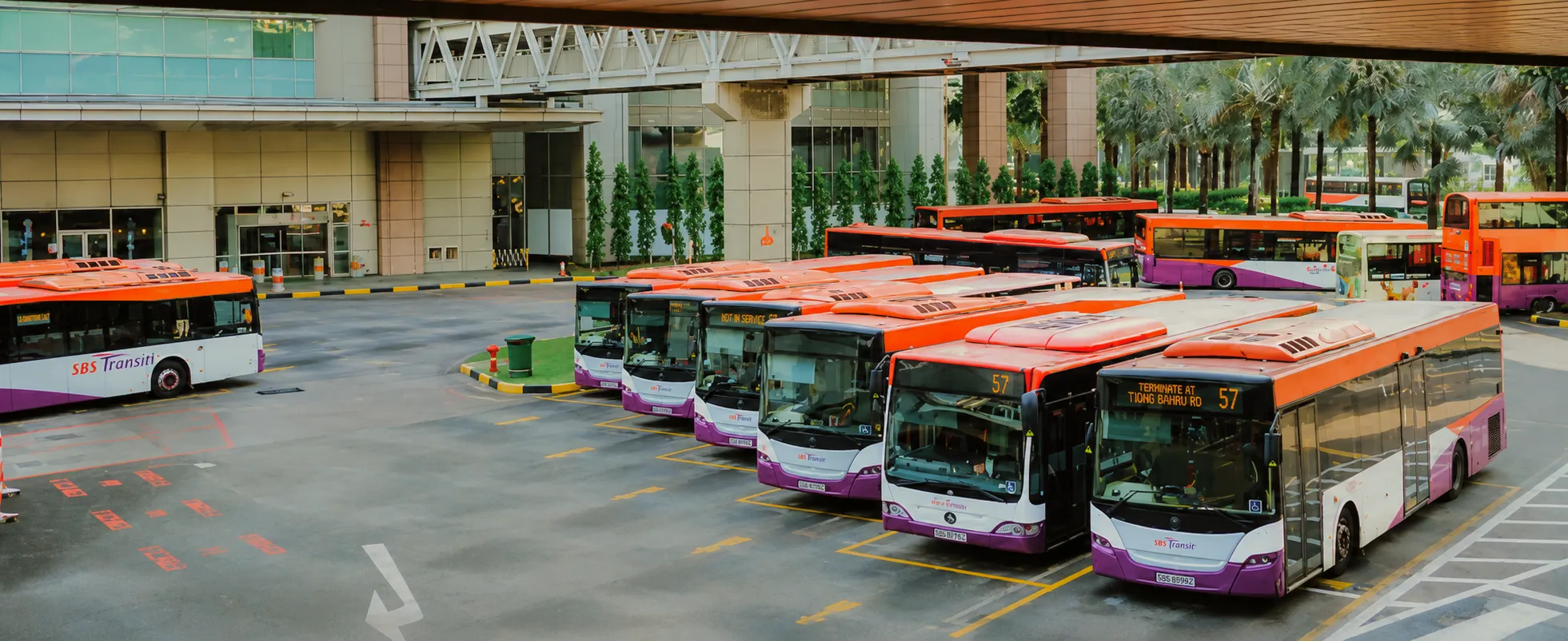
Frequency and schedules both need support
Teams need to manage service based on the model they operate, whether that means keeping vehicles on a frequent loop, maintaining scheduled departures, or coordinating a mix of both.
Passenger information needs to be simple and useful
Many shuttle riders are unfamiliar with the service or under time pressure. Clear service information, route details, and service updates can make the trip easier to understand before they board.
The right hardware is part of reliable service
A low-cost tablet can be useful for certain mobile tasks. It is not automatically the right foundation for service operating long hours in active airport, campus, healthcare, or facility environments. In-vehicle equipment has to account for vibration, heat, power and connectivity conditions, mounting, operator use, supportability, and replacement cycles. ETA helps operators determine where durable onboard hardware is warranted and where flexible mobile devices make more sense.
Connected solutions for the work of running shuttle service
ETA’s solutions can be configured around the specific needs of your operation. Whether that means dispatch tracking, passenger information, passenger counting, performance analytics, or custom integrations, the technology is built to work together.
CAD/AVL
Support dispatch, supervisors, and operators with real-time vehicle visibility, onboard tools, operational messaging, and service information for scheduled, frequency-based, or mixed operations.
Rider Information
Keep tracking websites, mobile tools, digital displays, alerts, and arrival information aligned with the service passengers are experiencing.
Ridership & APC
Collect and review passenger activity to better understand usage, loading patterns, peak periods, and how riders use the service across routes, stops, or facilities.
Reporting & Analytics
Turn service and passenger data into useful reporting for performance review, operational planning, facility coordination, and decisions about where service needs attention.
Integrations
Connect ETA with compatible systems that support the wider operation, including passenger-counting equipment, fare systems, radio, video, vehicle health, inspections, and rider-facing tools.
TransitGPT
Help authorized staff ask plain-language questions about the data sources connected for their implementation, then review answers alongside the supporting data and context.
EXPLORE TRANSITGPT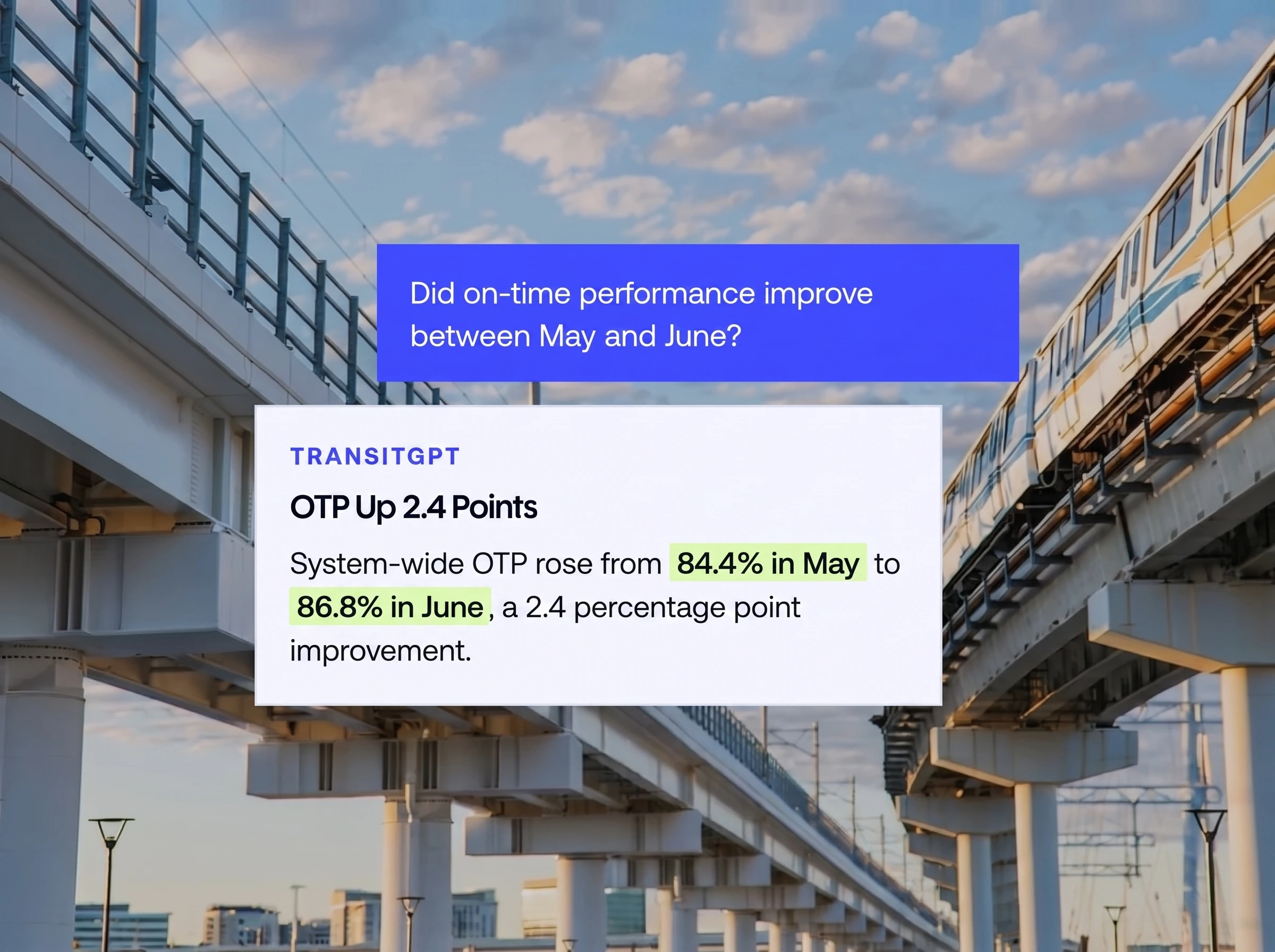
Modernize around the service people depend on
Updating shuttle technology is rarely one isolated decision. Operators may need to account for current onboard equipment, recurring service patterns, arrival information, passenger demand, facility requirements, integrations, training, and the service that still has to run throughout implementation.
ETA works with operators to understand those conditions before defining a path forward.
Some begin with vehicle visibility and dispatch support. Others begin with better passenger information, stronger reporting, updated onboard hardware, or a connection between systems already in use. The scope can account for what remains useful, what needs to change, and what will make the greatest difference for the people responsible for daily service.
The goal is not change for its own sake. It is a technology foundation that fits the operation you run today and supports the service your passengers rely on.
Build a stronger foundation for daily transit service
Talk with ETA about the operational, rider-information, reporting, hardware, or integration challenges creating the most work for your agency today.