Ruggedized, transit-grade CAD/AVL paves the way
Computer-Aided Dispatch Automatic Vehicle Location (CAD/AVL) is the backbone of modern transit management. The solution provides the tools to deliver safer, more reliable, and more efficient service. It powers digital tools to assign and manage vehicles, replacing traditional radio-based dispatch with a data-driven future-facing solution.
CAD/AVL provides centralized control, faster responses, and real-time fleet visibility. They are transforming how agencies of all types – municipal, campus, regional, rural – deliver modern, responsive transit service. Learn more about how this system supports different types of transit systems on our Industries page.
Why Transit Agencies Need It
Far too many agencies still rely on legacy systems like radio calls, on-prem server and paper manifests for dispatch or unreliable tablets that aren’t built for demanding transit environments. This results in fragmented data stored in spreadsheets, no visibility into live service performance, and higher risks.
Modern, transit-grade systems streamline operations, improve service reliability, and elevate the agency’s public image. They also provide the transparency and data needed to meet growing public expectations for smart, responsive transit.
Key Features and Technologies
At ETA Transit, on-board hardware matters, especially when selecting a system that will serve your agency for years to come. Many tablet-based solutions lead to frequent failures in transit environments. Agencies need ruggedized, transit-grade hardware built for the job. That’s why ETA’s architecture includes:
- A Vehicle Logic Unit (VLU) that powers all onboard hardware and manages data collection and delivery.
- A separate Mobile Data Terminal (MDT), which provides an intuitive interface for drivers and avoids the single point of failure common in all-in-one designs.
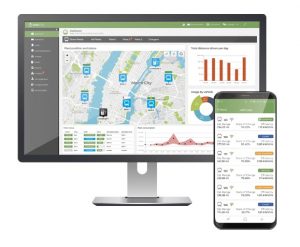
With these core components, dispatchers manage service through a centralized digital dashboard, where they can:
- View real-time fleet status
- Communicate with drivers
- Reroute vehicles or manage detours
Onboard GPS hardware ensures precise vehicle tracking and reporting. This is essential for service reliability and FTA compliance. Learn more about our CAD/AVL Solution.
The Benefits for Operators
When transit systems modernize, the benefits are immediate — both for day-to-day operations and long-term performance:
Operational Improvements
- Real-time vehicle tracking and service status updates provide live visibility into your entire fleet.
- Reduced manual coordination leads to fewer missed trips and more efficient dispatching.
- Smarter rerouting during incidents, detours, or weather events helps maintain service reliability.
- Improved service quality with fewer delays and optimized resource allocation.
- Enhanced emergency response and driver safety tools strengthen system resilience and operator confidence.
Streamlined Reporting and Compliance
Modern CAD/AVL systems also dramatically simplify compliance reporting and performance tracking:
- FTA/NTD Reporting Support: Automated data collection powers system-generated reports for vehicle activity, delays, trip completion, and more — supporting Federal Transit Administration (FTA) and National Transit Database (NTD) reporting requirements.
- Dashboards: Visual dashboards give transit leaders real-time insight into critical KPIs such as on-time performance, trip reliability, and rider load.
- Data-Driven Planning: Agencies can leverage historical and live data to inform service planning, strengthen grant applications, and demonstrate performance improvements.
By automating reporting and delivering actionable insights, the system frees up staff time and helps agencies meet growing expectations for transparency and accountability.
Flexible, Cloud-Native Architecture
With ETA’s 100% cloud-based platform, agencies also gain the flexibility of browser-based remote dispatching. There are no local applications to install or maintain — enabling staff to securely manage service from anywhere, without adding IT burden.
And unlike legacy systems or overly complex platforms, ETA’s solution is:
- Full-featured and intuitive: Delivering robust capabilities without unnecessary complexity.
- Easy to adopt: Minimizing training time and streamlining day-to-day operations.
Passenger-Facing Improvements
CAD/AVL systems don’t just improve operations — they directly enhance the rider experience:
- Real-time arrival predictions: Passengers can access live bus arrival times through mobile apps or station signage, reducing uncertainty and improving confidence in transit.
- Reduced wait times: Smarter routing and proactive service adjustments minimize delays and keep riders informed.
- App integrations: Integrates with trip planning tools like Transit App and Google Maps, helping riders plan their journeys more effectively.
- Improved accessibility: Real-time information is particularly valuable in rural and paratransit services, helping ensure equitable service for all riders.
By providing passengers with more accurate information and reliable service, the system increases rider satisfaction and helps boost long-term ridership.
Future of CAD/AVL in Public Transit
CAD/AVL is more than an operational tool – it’s a strategic investment in the future of mobility:
- Predictive dispatch: AI-powered analytics can help agencies anticipate service disruptions and proactively optimize fleet performance.
- Microtransit and demand-responsive integration: Increasingly supports flexible transit models that meet evolving rider expectations.
- EV fleet management: Systems are adding features to monitor electric vehicle performance and support sustainability goals.
- Smart city integration: Open APIs and real-time data sharing enable systems to integrate with broader smart city platforms and mobility-as-a-service (MaaS) ecosystems.
As transit technology evolves, CAD/AVL will remain at the center of delivering responsive, efficient, and connected public transportation.
Bring Your Operations into the Future with ETA Transit
Modern transit agencies need solutions built for long-term success:
- Ruggedized, transit-grade hardware
- Browser-based, cloud-native system
- Full-featured but easy to use
If your agency is ready to leave behind radio calls, paper manifests, and outdated technology, ETA Transit is here to help. Explore our CAD/AVL solution or contact us to book a demo and learn how we can support your agency’s goals.
For more insights, explore our blog on customer references in RFPs to learn what transit leaders look for when selecting a CAD/AVL platform.