Steering CDTA’s Next Chapter with CEO Frank Annicaro

March 17, 2026

In this episode of Stop Requested, Levi McCollum and Christian Londono talk with Frank Annicaro, CEO of the Capital District Transportation Authority (CDTA). Frank shares his journey into transit, starting as a diesel mechanic and working his way through leadership roles at New York City Transit before stepping into the CEO role in New York’s Capital Region.

The conversation explores the transition from the largest bus system in North America to a high-performing regional agency, the importance of culture and workforce development, and how training and employee engagement are shaping CDTA’s future. Frank also discusses funding stability, mobility on demand, transit-oriented development, and how CDTA is positioning itself to support continued growth across the Capital Region.

Woman Using Phone On Bus.jpg

Episode Transcript

I can tell you, I’m not sure if I thought I knew this or not, but I could tell you, bigger doesn’t mean better. Stop Requested. This is Stop Requested. by ETA Transit. I’m Christian. And I’m Levi. These are real conversations with the innovators, operators, and advocates driving improvements in public transportation. Today, we’re heading to New York’s Capital Region to talk about the Capital District Transportation. Authority. Our guest is CDTA CEO, Frank Annicaro. We’ talk about Frank’s path into transit, starting as a mechanic and working his way into executive leadership, and what it’s like to move from the largest transit, system in North America to leading a regional agency serving Upstate New York. Frank also shares his perspective on funding stability, workforce recruitment and retention, and how CDTA is expanding mobility options across the capital region. Here’s our conversation with Frank Annicaro.

Today, we’re heading to New York’s Capital Region to talk about one of the most respected mid-size agencies in the country, the Capital District Transportation Authority, or CDTA. They’re built our reputation for innovation, steady growth, and strong community partnerships, and they’re entering a new chapter of leadership. Our guest is CDTA’s Chief Executive Officer, Frank Annicaro. Frank brings more than three decades of transit experience, including senior leadership, at New York. City Transit’s Department of

Buses to his role at CDTA. We’ll talk about what it’s like to move from the MTA to CDTA, his vision for funding and growth, workforce and culture, and what the future of service looks like in the Capital Region.

Uh, let’s get into it. Frank, welcome to Stop Requested. Thanks for making the time to join us. Well, my pleasure. Thank you, Christian and Levi. Thanks for having me. Happy to be here. Thank you. And, and we’re very excited. So before we talk about CDTA, a-and definitely we wanna go there and hear about the, uh, exciting projects, I wanna give listeners a sense of your journey in transit. So you’re now CEO of the Capital District Transportation Authority. After more than thirty years in transportation, including senior roles leading the Department of Buses at New York City Transit, take us back to the beginning. How did you first get into transit, and what are a couple of big milestones that brought you, uh, from those early roles to the CEO seat at CDTA? Well, all right, let me go way back.

So yeah, I mean, I originally started, I, I, you know, had no aspirations to ever be sitting in a C-suite like this. I actually started out and went to automotive and diesel technology school, and coming out of that was a mechanic, auto-automotive diesel mechanic, and I find myself actually working as a mechanic at a, uh, a children’s home, working on their transport vehicles. Um, and I spent several years there and then, uh, you know, moved on to a, to a, a, a fleet maintenance company.

And there, what we did, we had contracts throughout the country and maintained, uh, contracted fleets, and we– I found myself working on a courier, a national couriers fleet, began there as a mechanic. Then just as the business grew, I grew. Became a, a, a, uh, supervisor, became a safety manager, became an operation manager. And then ultimately in that organization,

I had over a hundred shops throughout the United States that I ran. Oh, wow. Um, you know, so that, that was busy, you know, under the hood a lot, but, you know, really understanding how to run a business, how to, how to, uh, perpetuate policy, process, procedures, right? Um, and then ultimately, I wound up in two thousand and three, uh, joining

New York MTA. Uh, you know, I had a few folks that I had acquaintance of who worked there, said it was a great organization. You know, it, it was, uh, hey, it’s New York City. How could, how could you go wrong?

So back in two thousand and three, I joined the MTA, uh, and I actually came in as a, as a manager, a superintendent, and I joined the new bus project management team.

And for me, that was the probably the best thing I could have ever done there because I was able to come into, come into an organization that was humongous. You could not hear, see, or shout across it, and be able to go into procuring buses. Well, one thing that was in common throughout the Department of Buses, that everybody needed buses, and you, you interacted with everyone in the department there. Uh, so

I really, I really learned the who’s who there and learned about the organization, and I think that was what abled for me to progress so quickly throughout that organization. And, you know, ultimately, I held several, uh, leadership roles progressing there. Um, you know, back in, geez, I think it was twenty twenty-one, or

I took on an acting role as the senior vice president/president of MTA Bus and, uh, never left that position until it became permanent, until, uh,

I was actually facing a great opportunity up here’ at the, in the Capital Region to become the, uh, CEO of CDTA. And that’s where I sit today, for, I think I’m on my tenth month. Ten months. That’s, you know, still a relatively new position for you, but I’m, I’m sure that you’ve been able to, uh, kind of make it your own in those ten months. I, I’m curious, Frank, what lessons have you taken from your experience at MTA, one, you know, the largest transit agency in the US, the, the mecca of public transportation? Are there any experiences that you’ve been able to directly apply from the MTA over to CDTA? Well, yeah. I think there’s several, right? I mean, first off,

I wanna say that, you know, the team I call inherited here at CDTA. is, is super accomplished. Really great team here, great leadership. team here, very accomplished.But, you know, coming from the MTA you know, the, the biggest bus system in North

America if it’s gonna happen, it’s gonna happen there. If we’re gonna learn it, you’re gonna learn it there. So the lessons I brought here were such from that large scale that I was able to bring things from, from, you know, just everyday tactical things to dealing with problems, to strategic planning, to emergency management, you know, all, all the above. You know, labor relations. You know, we’ve dealt with so much down there in New York City. Um, and even into engineering, right? Engineering solutions, engineering, uh, new things on buses, because again, you know, over six thousand buses, you’re, you’re gonna see it, you’re gonna need it there. And, you know, bringing those, those lessons up there, e- essentially being able to not have to recreate the wheel on some of the issues that, that CDTA’ was facing, I already had solutions for. And what has surprised you the most about this transition to CDTA. and the area? Uh, I’m sure there are completely different needs that you’re seeing there in Albany, and I’m, I’m curious how when you first arrived to, to now, just ten months later, have you been able to kind of understand the area and the differences? Yeah, absolutely. Well, it’s stark differences between the service area and the MTA and the service area here in the capital region, right? I mean, for one, uh, really it– well, it’s, you know, MTA, it’s i- in that region, that’s how you get around. Transit is transit. Everyone uses it. You know, it’s the, the exception is, is cars, right? Where in this region, it’s not the exception. I think five or six percent of the region. utilizes the transit system, but they all, they all value it. It-it’s, you, know, it’s small cities separated by just, just rural areas. So it’s a significantly different service area, which poses a lot of challenges, right? Without that density, it’s m-much more challenging to get a transit system to link properly around thirty-five hundred square miles when there’s, you. know, in between there could be just fields and, cows, right? But there’s still the, a need to get to and from. So I think that was, uh, you know, a little bit more sobering as I got to know the region. Um, I gotta tell you, though, you know, I, I, something I didn’t fully appreciate until I got here is how connected, and h- and when I say connected, I don’t mean only me, not, not only transit. wide, but the communities are connected, the business leaders, the, uh, organization leaders, um, the, the politicians, right, our electeds. They’re all– Everyone is very close-knit here. When I came here back in

May, the middle of May, I can’t tell you’ how many folks reached out to me, welcomed me, met with me, just, just re- just to lend a hand, offering themselves as a resource, thankful that I’m here. And these are the same, same folks you see over and over at different community meetings, different events. Uh, so this is a really tight… Really, it’s, you know, where you would think it’s expansive, you’re, you know, we’re serving six counties. It may be six counties, may be expansive, but these folks here, up here are tight, and they really, really give a damn about this region.

They care. They want the best for this region. So I was, I w- I was very, very, I was taken aback by it, you know. I was felt fortunate to be part of this. That is really excellent to hear because I’m sure going into an organization that you’re unfamiliar with, it, it can be somewhat intimidating. Even though you’ve worked at MTA, the, you know, the, the largest that there is, uh, you know, going to an area that you have no experience in, you’re not sure how you’re going to be perceived or how you’re going to be welcomed. Uh, so that’s, that’s good to hear that it was a, a very warm environment and, you know, probably a little bit more, uh, familial than you would get maybe in a larger city like, uh, New

York City, I would, I would imagine. Um, i- is there anything that y- you kind of knew going in that you maybe were proven wrong about or you, you thought you knew? Um, you know what? I can tell you, I’m not sure if I thought I knew this or not, but I could tell you bigger doesn’t mean better. You know, again, these folks here, they didn’t just, uh, you know, come out from a fall off a turnip truck. These fo- You know, the folks know what they’re doing here. Uh, this, the, the, the leadership team here really understand transit. They really know how to manage transit. And, you know, it’s just they’re, they’re at a smaller scale. So I was very, very happy to do that. And in some areas, where in the MTA, we, it was such a huge scale that folks had to stay in their lane. You know, if you were in procurement, that’s what you did. That’s what you knew. If you were in labor relations, that’s what you did. That’s what you specialize. Well, here, folks specialize in many things. So I gotta tell you, from, you know, I have, for instance, I could throw out, uh, you know, just an example. I have a procurement manager here, uh, it’s herself. That’s the department. And she manages procurements to a level that, you know, a team does in the MTA. But also, you know, she’s dealing with the FTA. She’s dealing with regulators. She’s dealing with, um, you know, the different reporting for whether it’s, uh, um, MWBE or whatever it is. It, it’s, it, it’s just folks here really wear different hats here. So I was taken aback there a bit, and I’m really appreciative of it. Yeah, I can relate a lot to that. You know, working in some small to medium sized agencies, you really get to wear a lot of hats. It puts you through the, the wringer, and if you’re, you know, up for it, you can learn a whole heck of a lot that you might not be able to if you’re in one small niche in a, a much larger agency. So that’s, uh, that, you know, that really is a, an inspiring story, and I, I think for those folks who think that the bigger is better, you know, you might wanna rethink that. I can’t agree more with that statement.

You know, you mentioned how strong of a team that you have at CDTA, and y-you know, your, your predecessor had a strong legacy, has a very good reputation in the community. Uh, I’m curious how you balance and kind of honor that history without changing things too much too abruptly. And, you know, you of course you wanna put your own stamp on it. I’m, I’m curious how you kinda walk that tightrope.

Well, yeah, I mean, look, you know, that was a concern coming in here for me, right? You know, Carm Basile here for over forty years, CEO fifteen years. You know, uh, one can say, or one may say that he was responsible for, you know, innovating CDTA, its expansion, um, you know, whether it’s, you know, grow– the growth a-across the additional two counties, the addition of BRT lines, again, innovation of the different micromobility products that typical transit, agencies don’t take on. So for me, it, was absolutely a challenge. It’s like, you, know, where… w- is there room to go up or only room to go down? But also knowing, though, well, first of all, you know, when I met with the board of directors and interviewing for the position, they were clear. The board of directors here, I– people who know, them know that we have one of the best structured and, and most accomplished boards, uh, in the country, and the, the board’s edict was clear. Um, you know, they, they wanted, what they wanted out of a CEO was take the organization to its next steps. The growth was there, the reputation was there, and, you know, essentially, they felt that now that CDTA had grown so fast, and then coming out of the COVID years, it’s time to stabilize.

Take a look and rightsize, stabilize, uh, take a look at internally, not only externally. And you know what? You know, knowing Carm, meeting with Carm, these are all things that Carm would’ve been our next phases for Carm had he not retired. So that made it a bit simple for me. It wasn’t as if it was, okay, about face, we’re going a different direction. It is. just, you know, organically the next phases for this, uh, organization.

So yeah, and then you know what, though? It’s, it’s I have a job to do, right? I’m not gonna apologize to anyone for what I do. We’re doing re- doing what’s right, taking it to the next level. But, uh, yeah, I, I’m… It, it’s been a great experience, and my bit anxiety going into it has, has been eliminated it- when it comes to the perspective of that. This episode is brought to you by ETA Transit. For decades, transit agencies have been locked into legacy

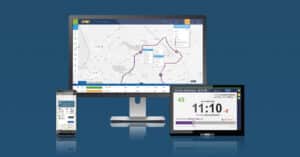
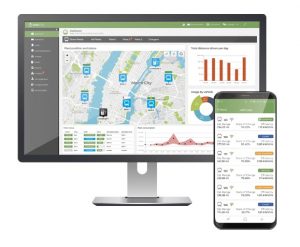
CAD/AVL systems built for another era. Expensive upgrades, rigid architectures, and software that lives in server rooms instead of the browser. ETA Transit is the modern replacement. Our web-based CAD/AVL delivers industrial-grade reliability with cloud-native speed and flexibility. It integrates with what you already have, replaces closed ecosystems, and gives your team a single real-time operational view without starting over. Replace legacy. Move forward. The future of CAD/AVL is open. See it at etatransit.com.

Clear expectations, that’s, that’s to me what it, it translates to. It, it seems that there, there was a s- uh, a set vision, and there’s clear expectations what’s expected, uh, of you and the agency, which is, like you said, continuing with that, uh, growth, but find that stability. Uh, a-and on that note, I wanna talk a little bit about funding, right? Because, you know, we grow transit operations, and, and a lot of agencies would love to have more dollars, uh, you know, uh, for operations that, uh, expanding services, and that’s the constraint. Sometimes the community needs more transit, sometimes there’s needs for expanding on transit, but without the funding, it’s hard to move that along. You know, so funding and growth, they, they shape almost everything, um, a transit agency can do, right? You’re being growing, but also, how is the funding matching, uh, that growth? For your– from your perspective, what is stake, what is at stake for CDTA if that stability doesn’t materialize in the way you like, and, and I mean about the funding and the growth?

Well, I, I think, you know, let me say what’s, what’s at stake for CDTA is what’s at stake for the capital region, that if we don’t do not, uh, catch up with the funding, right, or there’s not sustainable funding sources, rather than for us relying on the general funds, you know, for the state budget, what-what’s at stake is stalled regional growth. There’s no doubt about it. You know, we’re in a region now, I mean, the governor just an-ann-announced a cap initiatives investing two hundred million dollars in downtown Albany, right, for, for growth. Uh, we have neighboring cities like, like Troy, that, I mean, the mayor is focused on growth and really doing it, building out residents, businesses. We have Schenectady that has been under Metroplex. It’s done an amazing job and continues to expand. But, you know, it’s counterintuitive to this growth if we do not have a transit system, so people can get, get to and from. Um, so for me, it’s, uh, there’s a lot more at stake than folks may think. It’s, well, it’s, you know, you– someone is– has to wait an extra hour for a bus, or someone can’t get to this specific, uh, destination. Because, you know, we’ve shown, um, and we’ll probably, I’ll probably repeat this several times during this discussion, that in this area, we have a community value that’s immense, that I think it’s five or six percent of the, of the folks here r- use this system, but ninety-four percent see that we have community value. So, you know, I hopeYou know, I’m hopeful, but hope isn’t, isn’t a strategy. Uh, we’re, you know, we’re really relying on some of the recommendations that we made to the, uh, the legislature this year during the budget cycle to ha- provide sustainable funding sources so CDTA can help the region grow. And, and I really love that you are saying or, or that I’m hearing that the community understands the value. That even though they’re not riding the system, they understand the value. And, and I’ve seen in a lot of communities where there’s investment, there’s developers building all this great, you know, buildings for office space and, and bringing businesses to the area, and then mobility is an afterthought. And it’s like, oh, wait, but the roads cannot handle, you know, this, this cap- it do- doesn’t have the capacity for this demand, and make sure that all these businesses and all these e-expansion investment is successful. And that’s a, you know, a, a big issue at that point because then they start working at that point, uh, you know, very much after the investment is done and, and a lot of people are getting upset, and then elected officials sometimes come to those CEOs of transit agencies saying, “Hey, can you create a route?” You know, “Can you put service out here and help?” And it’s so much of the afterthought that is a rush to try to get something done, and also, like, who is paying for this? And it’s like there’s no thought of funding on or how you make things happen. So I think when you, in a community, most of people understand the value of, uh, you know, public transportation, even though if they’re not using it, right? Like, if I’m a business owner, and some of my goods and services are stuck in traffic because there’s so much, you know, traffic, so many people riding cars, even if I don’t ride the system, I would ride more people to have a good transit system they, they could have as a, as an option and maybe alleviate that traffic so my goods and services can move quicker. And, you know, we all know that, uh, quote from, from APTA, the American Public Transportation Association, that says, “Every dollar invest-invested into public transit translated to, uh, five dollars of economic return.” Uh, so that’s definitely, uh, something that, that is important, um, to highlight within the community.

Y- yeah, and, and, you know, to add to that, too, and that one to five is just a high level, you know, number. Some communities are have really done some deep studies in their, in their, in their local economies, and, you know, I’ve seen cases that it’s one for 13, right? Oh, wow, okay. Yeah. And, uh, you know, something that we’re looking forward to, too, and, you know, is coming up on an economic index for this capital region. You know, it’s something you mentioned, too. It’s, uh, folks, you know, if they- if there’s n-no transit, then there’s traffic, or you can’t get goods and services. You know, thi-this year, during the legislative cycle, we actually have the, you know, uh, my, uh, my alma mater, the MTA- Mm-hmm … is now waiting for dedicated transit funding for upstate properties because the MTA is a sixty-eight billion capital plan, and I, I don’t reca- I think it’s eighty or ninety percent of the products that supply that capital plan come from this area. And if those businesses, those, tho- those, um, th-those, uh, industries can’t get their employees to and from work to build these products, it’s gonna stall their capital plan. So, you know, folks, sometimes if you peel the onion back, you really gotta see why it’s, it may not only be, we may not only be supporting the local economy, but upstate New York, we’re here supporting downstate’s economy and especially, like, with their capital program.

So it’s, uh, it’s, it more than meets the eye in this one for sure. Hundred percent. And, and also, uh, you know, we’re transporting customers, right? Like, a lot of these businesses are able to have customers because we get them there. Uh, I recall, um, one CEO sharing once a story about, um, pretty much being kicked out of, um, plaza, right? A- and, and they’re asking, “Oh, we don’t want transit here.”

And they were able to demonstrate the amount of people they were transporting and the average expend, uh, at, you know, that, uh, shopping plaza. And then they were like, “Oh, no, no, no. Don’t take the transit. Keep it here because it is having an impact to those businesses.” Well, I, I think that’s a, that’s certainly a, a…

there’s examples like that across the nation. But again, you know, and not that there aren’t similar examples here in the capital region for, but, uh, that’s more of the exception. The rule up here is I think the, the businesses really appreciate us and, you know, our partnerships that we forge between the businesses, the healthcare institutions, and the universities really show that.

We’re really very, very, uh, we’re, we’re, we’re very fortunate to have such good relationships with all the folks here. That, that’s, that’s good to hear. You know, strong partnerships, those stakeholders really support the agency. So when you look at the next five to ten years, where, where do you see the biggest growth opportunities for CDTA?

Are you looking at doing more BRT, uh, corridors? Those seem to be, uh, very successful, uh, these days a-across the country. Uh, microtransit on demand, more partnerships.

What do you have in the next five, ten years? Um, I think all the above, but honestly, if I had to pull, uh, grab two things come to mind for me the most right now, right? Number one would be on demand. Our, our flex on-demand service, right? ‘Cause that is the, that is basically the, the foot to get into a transit, right? We could put flex in an area that has, uh, w- not very dense, and there’s much, not much density, and it’s rural, but there is a true need for transit. So it’s a much more affordable way to start transit, right, and grow it. You don’t need the costly infrastructure. Uh, you have smaller vehicles. Basically, essentially, if a, if a passenger car can get there, so can our on-demand point-to-point flex service. And then the other one equally, or maybe even more, isOver the next five to 10 years, transit-orientated development. I think you just mentioned it, you know. Uh, this region is, is growing, the in- the governor is investing, and it behooves us not to make sure that transit has a seat at the table here. And I’m not saying we’re gonna lead the development. Maybe there are times partnering with the FDA, there, there are opportunities, but it ha- we have to be mindful. At minimum, we need to incentivize folks who are building, you know, these, these, um, large scale developments and all to build them on a transit line. Because, as you mentioned, it’s a lot more costly to bring transit to them. And, you know, we all know our fare boxes are not gonna pay for the infrastructure and, and the operating costs to put in a whole new transit line. So for me, two things. Again, back on-demand service, certainly, and then transit-orientated development, something that, um, you know, uh, uh, this CEO and this, the board of directors here are very committed to, uh, engaging it. That’s very exciting. Uh, uh, I got the opportunity to, uh, do, um, a tour of, um, some of the, uh, rail lines in

Austin, and they were showcasing all the examples of transit-oriented development. I mean, they had all these, uh, uh, kind of, uh, complexes, apartment complexes that were built with containers, and there’s no parking, right? They’re right on the rail line, and it’s premium service. So people that are moving there, they have direct access to those, you know, employment centers. They don’t really need to own a car, so it, it becomes cheaper for them, and it’s just premium service, right? Like, they’re not dealing with the, the, the traffic a-and, and so on. So that’s definitely something exciting, um, to see the future of Albany’s region. Uh, your agency is considered a very high-performing, well-run, mid-size authority.

So as a CEO, what are those key metrics or, or signals you personally watch to, uh, gauge whether C-CTA is winning? You know, this is really good timing for this question. Uh, the team and I have been working hard to establish what our success outcomes, right, are. And as a matter of fact, we worked with the team, the board of directors, and we’ve actually just adopted what success means. How do we measure success in CDTA? And we’re gonna measure them through not your traditional, uh, inputs. Folks will call those inputs by, like, mean distance we-between failure or, you know, on-time performance. Those are all inputs. Our true success that we’re gauging this is, as we mentioned, it’s gonna be community value, our customer, uh, um, s- our customer experience, our employee satisfaction, and our financial stability. And those are measurable outcomes, uh, with deliberate actions that we’re putting behind it, and that-that’s how we’re gonna, we’re gonna measure success. That’s how we’re gonna keep our eye on that ball.

So, you know, stay tuned for that. You know, we, we, uh, we wanna continue to raise the bar here, but again, for me, it’s, it’s not about arbitrary measurements that I think it’s important. I wanna know, we wanna know what’s important, and what, what’s important, how we measure that is to the customer, the community, our employees, and really our financial stability, which includes to the, to the, uh, to the, our, our, the people funding us, like what the return on investment is.

Yeah, I really love that you’re outcome oriented, Frank. Uh, you know, your organization d-does seem like you, you have all the wheels turning. You-you’re all kind of rowing in the same direction. Uh, I’m, I’m curious, what type of culture are you trying to either build or perhaps, you know, reinforce? You know, some of that culture may already be in the DNA of the organization. What, what are you trying to, to kind of, uh, build up in your organization so you can achieve those outcomes? Well, I– now it’s a good time for me to reveal our– we, we just did work with our success outcomes, but we’ve actually just rounded off our strategic framework, right? We have a mission. We just, we just released our new core values, right? And, uh, we’re releasing a new vision. So for me, it’s like, what is our culture? That’s our core values, right? And what we’ve adopted with our board of directors, this was developed with a team of employees. All of our employees are– were represented in this, and I think that’s the culture.

It’s, it’s that we speak for all the employees. Together, we have a culture as one. It’s not about the C-suite culture. It’s not about, you know, certain departments. So we, we just adapted our core values that are called, uh, the acronym for DRIVES, right? There were so many different acronyms, right, that are out there, but for us, it’s DRIVES, which is dedication, respect, innovation, versatility, excellence, and safety. And we wanna, we wanna everything to revolve around that culture.

And it’s– I’ve, I’ve been taking the responsibility to actually bring those, uh, this core, those core values and this culture to life. So stay tuned there. Um, I think we have a good start. Uh, my first, uh, nine or ten months here, we’ve really focused on interfacing the employees, you know, what, what, what makes them, what keeps them up at night, what makes them happy, where are they struggling, and we just wanna continue that and then bring DRIVES to life and out, not only internally and out to the community. Uh, Frank, I, I love what you just shared. I tell you, uh, culture eats the strategy from, for, for breakfast, and we heard that statement. And you reminded me of, uh, my time at Palm Tran when our former CEO, Mr. Clinton Forbes, came in, and unlike your case, he came at a time where the organization was struggling a lot. Uh, no confidence from the board, from the community, uh, really bad, uh, publicity, you know, bad stories in the media, and then we have to turn it around. And the first step he took, and it’s similar to what you’ve done in, in this, uh, you know, first part of your, uh, leadership at CDTA, is establishing that strategic, um, vision or system for the agency where you’re going over those, you know, vision, mission, uh, core values.

And, and one of the things he did was making sure all employees knew the, uh, mission by heart, to provide access to opportunity for everyone safely, efficiently, and courteously. And we– a part of that culture was that before every meeting, we would have somebody stating that, and that all, a-all employees would know that. So that, that becomes part of, like, setting what the culture is.

And then now everything else can happen, and all these projects and all the next steps that, uh, need to be taken, uh, you know, can be discussed, can be put in place. But it puts all the employees, and, and I know it did for me a-and for Levi and, you know, our colleagues at Palm Tran, it, it put us in that, uh, mindset where you’re connecting everything that you’re doing with that mission, vision, and those values, right? Like, demonstrate those values through everything that we do. So

I just wanted to, uh, compliment that, and I think that’s definitely the, uh, a, a very great first step to take at an organization. Great. Great. Well, I, you know, I like to hear that, and that’s good advice, too, because we’re gonna begin rolling this out, uh, you know, forthwith now, so… Certainly, uh, we’re not looking to re-recreate the wheel. When we’re rolling out these core values, we wanna know what has succeeded in different organizations, right? And this is certainly not, uh, you know, the, the– it’s not negotiable. We can’t fail here. In order to build a, a strong culture, you, of course, you’ve got to have people under you to, uh, that believe in that mission and that are, are present, they show up, and they’re committed to, uh, serving their community. I, I’m curious how you’ve been able to recruit those people, specifically, uh, operators, because that, I think, has been the overwhelming challenge for our industry for a number of years now.

Are there any recruiting strategies that you feel that are really working, or are you experimenting with maybe some new approaches to ensure that you’re retaining operators, that you’re recruiting new ones? Well, you know what? There’s, there’s a lot of, uh, strategies out there, and of course, some of them are not new. We’ve tried a lot of them. Um, with– we, we have some referral bonus out there, and that’s beginning to work. We’re starting to see that. Uh, so, you know, you know, what’s better?

You know, peers recommending positions, and they can speak for the organization. But, you know, ultimately, you know, and this goes with retention, y-you’re not gonna get folks to recommend a job, even if it’s with a referral bonus, unless they like the organization, and they wanna stay. So, you know, we-we– the past nine months, we’ve been, you know, full court press on how do we keep employees happy? How do we retain the employees? And it all starts is listening to them. Uh, we hosted nine town halls and, you know, it was between every shift, every location. I, I was out there. I led it with my entire team, uh, was out there, and the whole thing was to let the… number one, introduce myself, and number two, say, “Hey, the most important people here are you all who deliver the service every day. Tell us what we need to hear, not what we wanna hear.” Right? And we, we, we ha– we performed those town halls, and now that gave us our marching orders. And we’re deli– we are delivering to the employees, right? It’s not always easy, or sometimes there’s… the answer is no, but, you know, based on that town hall, we feel that’s improving employee satisfaction, impro-improving retention, which is then also folks are starting to refer the organization. Um, so that’s some of the, uh, you know, stuff we’re… Also, a lot of fo-folks do this, but we, we’re, we attend job fairs and, uh, you know, I’m really pressuring the team to get out there for everything. Don’t let any opportunity, you know, go by, whether, you know, if we have a team of folks out there and we’re exhibiting how great we are and we get one or two folks, that’s one or two folks life, life employees may, we may have. So the team’s really stepping up and doing things like that. And, you know, the obvious things, right? If you’re gonna do a– if you’re gonna go out there and, and, um, you know, do different engagements, you know, we, we want to… You know, you go to car shows. You know, you, you go to where you know the motorheads are gonna be. You know, that’s where

I used to go all the time, to the car shows, right? Like and kind, and you’re gonna appeal to the folks to get mechanics, right? So really getting out there. Um, I don’t think any of this is really new or innovative. It’s just that you just gotta keep at it, and then once you get the employees, you have to keep them. You have to do what you have to do to keep them, to treat them right, and to listen to them. So some of the things, um, you know, some other things we’re experimenting with, I think, are, uh, four-day work weeks. I know a lot of people have tried it in certain areas. Some have successes, some have not, so we’re looking at some four-day work week schedules in maintenance. Um, and then ultimately, we have a, um, in Schenectady, we purchased the, a, the old Gazette building next to our Schenectady depot.And ultimately that is to develop to be the new Schenectady Depot. But for us, it’s got to be our center of excellence. We want a state-of-the-art, state-of-the-art training facility there, and we need to be able to cultivate our employees, where, you know, we can’t rely on just attracting fol-folks with experience. Let’s get them in with, uh, some apprenticeship programs, it, albeit, or right out of, you know, school, and, and, uh, let them begin driver training and work through our different, uh, microtransit and then matriculate into our fixed route service. So, you know, that’s right now is a, is a vision that we have, but, uh, certainly something that w-we’re gonna be focusing on over the next several years.

Well, it sounds like you have all the right pieces in place. You know, you’re doing the regular recruiting that we, we hear on the podcast quite often from folks who are trying to- recruit operators or mechanics, you know, administrative positions as well. And the, the town halls are such a superb idea. I, you know, as Christian mentioned earlier, I know, that Clinton Forbes was big on town halls, and I was there, and led a lot of those with him. Uh, you know, you hear some interesting things from folks in the organization when you’re at that level. I’m, I’m curious, what was some of the feedback that you got? Would you mind sharing? Yeah, absolutely. So I don’t think m-much of it surprises me, right? It’s all transit related. And it was things, again, that if I’ve heard it here, I’ve heard it in New York

City, I heard it from peers in Washington. It was things like, schedules are too tight. It’s just too stressful, or there’s no bathroom at the end of the line.

You know, how do you expect me to have dignity, but there’s no bathrooms for me to use? So those are, those are the two biggest examples that we heard perpetually at all the places.

And for me, they’re not easy, but we can fix them, and we’re beginning to fix them, right? The team was out there, and they s-heard it, saw it for themselves, and they’re committed to doing, to, to making lasting change, right? So th-those are some. But then also, you know, there’s some things you’ll just never know unless you-you’re out there asking the questions. Like for instance, you know, some sort of glare in a certain new type of bus that we didn’t know existed, but folks haven’t really been outward in letting us know. So things like that, small things that could be big things. It, it’s just, it’s just so valuable to understand. And then again, you know, leading towards are our success outcomes, what we need to do, how do we need to make our employees appreciated with our recognition programs? We got it right from the rank and file. What, what, what, what would you like to see? So, uh, yeah, I cannot say enough about how much we gathered, how, how valuable it was for those town halls. And the apprenticeship that you mentioned as well, that, you know,

I know you said that a lot of this is n-not new techniques or strategies necessarily, but I, I think in application, that one is, is fairly unique across the country. You know, we don’t hear a lot of agencies who have that vision, uh, or at least are trying to exercise the, you know, all the things that they need to make sure that vision comes into, comes to reality.

Uh, you know, what, what are some of the challenges there that you’re seeing thus far with trying to get this apprenticeship and this new, um, academy, for lack of better term, up and running? Uh, two things. Number one is funding, obviously, right? Because we’re running so tight that it’s hard to be able to employ this, you know, expansive workforce that’s ju-just, won’t say just, but you know, are, are in training, not out there delivering service, right? Um, and then in alignment with that is in order to get different funding streams for that, you have to have programs that are a-actually sanctioned programs, right? That’s difficult to have the same program across, you know, transit agencies. So we’re working through that. And then ultimately, I think the biggest challenge is, is, uh, our labor partners, right? Getting them on board. And they’re, you know, they so far we’ve been, um, successful. You know, they, they, they brought some ideas to us. But, you know, it– that’s always, that’s always a, uh, concern of the labor unions, right? If the organization is bringing in apprentices, what does that mean for, you know, respecting, um, you know, the, the contracts? How are, how is that going to, uh, adversely affect seniority, right? And, you know, I don’t think any of that is, is on top of my mind, but it’s on there. So we, we need to get by those or make the reassurances with the labor unions that we’re not trying to circumvent seniority or circumvent processes. But it behooves us both now to work together on this, because ultimately, you know, if we’re short employees, right, uh, e-either one of two things happen. Either you’re, you know, you have employees being stressed out and work-working additional hours or not be able to provide service. And that’s the worst thing we can do, is not provide the service that the community needs, ’cause, you know, that, that, that base is gonna limit our tenure here for sure.

Yeah, the, the bus operator classification, I would say, is uh, one of the most important job classifications in a transit agency, right? Like they, they deliver the service. They’re really out there, uh, providing the service a-and listening to them and making sure that you see them as stakeholders and consider their input as paramount. And, and along with that-

Uh, as you mention, is the unions, right? They’re representing those, um, um, bus operators a lot of times, uh, uh, mechanics and technicians, and making sure that they’re part of the mix as well i- is very important, especially when you put this type of initiatives, uh, in a, um, you know, an apprenticeship and, and those type of programs. I, I wanna ask you about some of your other stakeholders in the community, like business leaders and elected officials. If you had a direct message to business leaders and elected officials in the region about why CDTA matters and why continued investment and support is important, what would you say to them? Well, I would have to tell them that, you know, we matter because we are bringing the folks to the, to the retail. We’re bringing folks to healthcare. We are bringing, I think it’s probably thirty percent of our ridership, we’re bringing folks to the universities. We are actually bringing folks to w- all, all of the, you know, the key places in this region. Um, and without us, you know, we’re– this, this area’s gonna stall, the region’s gonna stall. You know, and then again, the whole point about the, the regional growth, you know. I– there’s no one in this region, I think, who is not committed to growing the region, but it’s counterintuitive to think that the region’s gonna grow without a, a stable and growing transit system. And you know what? I, I have to tell you, and, and that was another… I don’t know if it was a surprise, but it was a revelation when I got here. The, the local, local delegation of electeds are staunch, uh, transit supporters. Um, you know, we have, you know, f- from our, from our Congressman Todd to our Senator Fahy to, to our, our different assembly members, um,

I mean, I, I can name them all, Romero, McDonald, Santa Barbara, uh, um, Woerner, um, I’m probably missing some, but they, they’re all just huge transit supporters, and we’re very lucky to have that, so. Well, Frank, before we wrap up, we like to have a little bit of fun on Stop Requested, and we will hit you with some lightning round rapid fire questions. They’re short questions. Just give us your first thoughts. Sounds good? Are you ready? Yep. All right. What’s the most underrated thing about CDTA that you wish more people knew? Their, their lack of missed trips. I, I was shocked when I came here and, um, and

I was told, like, our, our trip completion is, like, ninety-nine point seven percent. So w- we go to the ends of Earth to make sure every trip is covered. Incredible. I love that one. Wow, good one. What is a leadership lesson from your early days in maintenance that you still lean on today? So, you know, something I always carry with me is that, you know, anybody, anybody who is newer to management or even taking on new, new organizations, a new department, is truly understand what the expectations are of, of that department or that role, but real- really understand what each, each role is, right? Because so many times I’ve learned that there’s perceived failures out there. Folks don’t understand who’s responsible for what, and then they perceive that they’re being… there’s failures. And it’s just knowing who to go to, who’s responsible for things. So really understanding it. Ask those questions. Just be bullish about ans- asking, whether it’s your, your, your peers or whoever, like, what, what, what are you responsible for? What are your expectations? What is your role? Understand, you need to know who t- what resource to go to. And if you’re going to the wrong resource and expecting it, you’re gonna perceive them as a failure. And then ultimately is work for mutual success, no matter what your role is.

Uh, you know, I, I could think of an example when, when I stepped in as the chief officer of the central maintenance facilities. You know, there were so many people around the table who responsible for overhauling, doing a fifty million dollar a year overhaul to our buses. You know, between the labor, the parts, the materials, the suppliers, whether it’s, whether it was, you know, procurement, whether, you know, whoever these departments were, the operating departments. Uh, it… there had to be fifteen departments at the table, right? And everybody, when I took, when I took on that role, everybody’s m- measure of success was what their ex- what, what they were… was expected out of them. But ultimately, nobody cared what the success of the program was. Like, what d- were we able to complete our overhauls in timely, all the buses? And once I got that group to understand that, you know, put, take, put down the, the gloves, you’re not fighting here. Success doesn’t mean that you were able to supply a part.

Success doesn’t mean that you were able to deliver it. Success means at the end of the year, we were able to affordably and safely overhaul a thousand buses. You know, it seems like a, you know, maybe seem like a, uh, remedial example, but getting folks to really work together for mutual success, if I don’t succeed, you don’t succeed, so let’s succeed together. I think if you, if you can get more people working on the same page with that, you know, you will see just huge leaps and bounds i- in, uh, performance across transit agencies. I completely agree. Next question.

This is a two-parter. Mm-hmm. What innovation do you think is overhyped? And then conversely, what do you think is underhyped? Oh, boy. This might be a controversial one, but- Oh, let’s hear it … I’m gonna say maybe, let’s say it’s, uh, I don’t wanna say overhyped, but maybe it is, uh-Lacking maturity, right? I, I’m still one, I’m– we are committed to our climate goals, but I have to tell you, zero-emission electric buses are not ready for s-full scale yet. So I don’t say they’re overhyped, but they’re, you know, we’re trying to oversaturate them, the, the, uh, industry with them yet. And I think the underhyped ones are, uh, you know, what’s, for me, the technology is, um, the, the hybrid technologies out there. It’s a bridge technology, geo-fencible.

We could, you know, we could run, still run partially zero emission or full zero emission in certain areas. So, you know, for me, it’s, it’s those, those two, uh, um, technologies that I think are, you know, come to mind. I could appreciate that answer. Christian and I have had some debates on this podcast about it- Oh, yeah … previously. So, uh, that, that’s a good one. I like that. And lastly, for the rapid-fire questions, Frank, if you’ll finish this sentence for me. In ten years, riders in the capital region will expect

CDTA to what? Have expanded the mobility services in the, uh, less dense and less populous areas, and have helped s- um, have helped spark regional growth through transit-orientated development. Sounds good.

Well, Frank, this has been a fantastic conversation. Uh, thank you for sharing your time and your perspective with us. Uh, for listeners who want to learn more about CDTA’s work, uh, and keep up with what you’re doing, where should they go online? Okay. Well, we could, uh, cdta.org is our website. Uh, we have a Facebook, Capital

District Transportation Authority, and on social media, our Instagram is ridecdta, one word. R-I-D-E CDTA. Excellent. Well, Frank, thank you again for joining us on Stop Requested. All right. Thank you both. Appreciate you including me, Dan, with this. Thank you. And, and for everyone listening, thank you for riding along with us on Stop Requested. If you enjoyed this episode, please follow, rate, and share the show with a colleague in the transit world. We’ll be back, uh, next Monday with another conversation about the people and ideas shaping the future of public transportation. Until then, this has been Stop Requested.

Brought to you by

Levi McCollum
Levi McCollum
Co-Host
Director of Operations
Christian Londono
Christian Londono
Co-Host
Senior Customer Success Manager