Stop Requested. Welcome to Stop Requested, the podcast where we discuss everything transit. I’m your co-host, Levi McCollum, Director of Operations at ETA Transit. And I’m your co-host, Christian Londono,
Senior Customer Success Manager at ETA Transit. Welcome back to Stop Requested. Christian, how are you today?
Doing excellent, Levi. How about you? Man, I’m doing very well. We got another great guest in store for our listeners today.
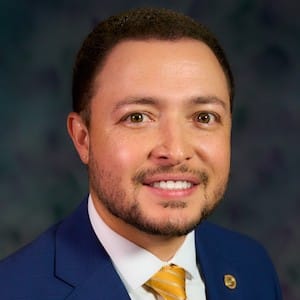
Megan Perrero, who is the editor-in-chief at Mass Transit Magazine. Meghan, how are you? Hey, guys. I’m doing great. How are you today? Doing very well. And, and this, this is really exciting. I don’t think we’ve had anybody on the podcast thus far who can talk to us about a publication, um, you know, someone who, who has such a prominent role at a, at a publication that’s so noteworthy as well.
Um, you know, for our listeners who may not know you but probably know Mass Transit Magazine, can you give them a bit of an intro into yourself and how you got into the, into your role at Mass Transit Magazine?
Yeah, for sure. So, um, I am… Uh, next month will actually be my one-year anniversary coming back into, uh, the editor-in-chief role at Mass Transit Magazine. Uh, but before I got there, um, truly, it could all kind of started with my love of writing, which takes me back to, like, kind of high school days even.
Um, I was on yearbook, and that’s where I really fell in love with the idea of magazine writing, putting a whole book together from scratch, the publishing aspect of things, and that really kind of sparked my passion to continue pursuing journalism.
Uh, so when I went to college, I, um, focused on a concentration in magazine writing. And early on, I was introduced to this, um, leg of the business called business-to-business communication, which is basically, um, a person covering an industry for that specific industry.
And what really drew me to that was kind of being, like, the man behind the curtain. When you work in B2B, you really get an understanding of all the behind-the-scenes operations, and you kind of feel like you have a special seat at the table and get to play this really cool unique observer role that then, um, kind of disseminates those, that information to the rest of the industry. So, um, I really kind of locked into that vertical, and I, um, explored multiple internships to kind of give me a different experience with covering various industries.
Um, my first one was actually at the American Library Association, which, um, really solidified my love for B2B and finding an industry that really aligns with your core values, too, as a person and what you bring to the table as a journalist.
Um, but then I also did a stint in agriculture, um, and then I even went over to food processing and packaging, which was a very interesting industry to cover. Um, but all that to say, um, when I graduated, uh, my senior year, uh, Mass Transit Magazine, I saw a position open for assistant editor, and, um, that really drew me because, one, it was located in Chicago so I wouldn’t have to relocate, and two, um, I think it’s pretty unique for someone who is a journalist in B2B to actually firsthand experience and really touch and see the industry that you’re covering. Um, so many of them are rather obscure or, like oil and gas, you’re not really going to be on, like, a big rig out in the ocean seeing how that stuff is happening every day.
Um, but as a transit writer, before I even kind of learned about this position, um, that really drew me in. So, um, I applied. Uh, I was grateful enough that they said yes and hired me, and I spent about three and a half years working as the assistant editor and then moving up to the as- associate editor at Mass Transit Magazine. Um, around the three-and-a-half-year mark, I found an opportunity at a nonprofit based in Chicago called the Shared-Use Mobility Center.
Uh, that was a really interesting position to take on because I had volunteered for nonprofits, but I had never actually worked at a nonprofit before.
Uh, so that gave me a really different perspective on, like, the communications and marketing aspect of things, especially coming from, you know, an organization that, you know, we’re, the thing that we’re selling is our brand and our mission in the world, which, again, really spoke to me and was something that I feel like I could really personally align myself with.
Uh, so I was there for almost two years on the dot, and, uh, I received a communication from the then editor-in-chief at the magazine who was my former boss, and she kind of hinted that she might be looking for a new position and asked if I would still be interested in coming back, because when I took this new position, I wa-,
I made it very clear that I loved the magazine very much and if there was ever an opportunity to come back, I, I would love to do that. Um, so they were kind enough to reach out to me and encouraged me to apply, so I threw my hat in the ring for the editor-in-chief position, uh, just about a year ago.
And again, very grateful that they, uh, saw the potential that I had to offer and welcomed me back to the team.
Oh, that’s excellent. Uh, can you tell us a little bit more about your time at the Shared-Use Mobility Center? I know some folks that are listening to the podcast might be familiar, but, uh, for those who a- aren’t, could you, c- could, you know, could you give us an overview of the organization and what your role was there as well? Yeah, for sure. So the Shared-Use Mobility Center was founded, um, I think at this point 11 years ago. I believe last year was their 10-year anniversary.
And the reason that they were founded was, um, they had, that was when car-sharing was really starting to take off, and, um, the founder really saw a, a gap in, um, best practices and research sharing and really understanding how to fully implement-… services like that. So they were really founded with the idea replacing car-centric transportation with people-focused shared mobility, um, in an effort to fight climate change and then also promote equity of and strengthen, um, community an access.
Uh, so while I was there, I served as the partnerships and engagement specialist, and then I moved up to the, uh, senior communications manager.
And, um, while I was there, we were working on a handful of things. Um, one of the biggest projects that I worked on while I was there was actually, um… I’m not sure if other people would have been to this or not, but, um, they host an annual summit called the National Shared Mobility Summit, and that was, um, actually really, really fun, exciting thing to work on. It was me and…
The core team was me and two other people, but then of course the, um, entire SUMC team was helping organize sessions, pulling speakers, find sponsorships, all that jazz. Uh, but I worked with my, um, colleague to really come up with the whole communications and marketing and outreach plan and, um, really kind of the operations and behind the scenes coordinating, uh, which was really, really fun and exciting. And then to see all that culminate, I believe we hosted it in May when I was working there, and to see it all come to life, um, at the Merchandise Mart is where we hosted it. It was a re- a really cool, fun experience. So, Megan, that, that’s quite an impressive career. And, you know, you’ve definitely been just focused in journalism and, and, and you pretty much knew what you wanted to do, right? Like, you were telling us, um, that, you know, you focused on, on writing for a magazine when you were in school and you actually got to, uh, you know, wo- work with different, uh, industries and different businesses.
Eh, b- but going back to Mass Transit Magazine and, and your role in, in getting to, to this role, uh, such a significant, uh, position, just want to hear a little bit more about your, uh, career milestones and, and, and turning points or i- if you had any mentors that, that help you, uh, get where you are, right? Like, we as professionals, we’re cur- constantly learning and growing and, and evolving, and to get to where you are today, you know, you had to do a lot of that. So if you have any career milestones that you could share with us and, and our listeners, uh, that you want to share with us? Yeah. I… Yeah. I would love to. Um, I, I do feel a bit of a unicorn in a way of, um, when you go to school for communications or journalism, you really hope that you’re able to apply what you’ve learned in some way. But, um, it, it is pretty unique that I went to school and
I’m doing the exact thing that I went to school for. And you’re, and you’re right. Um, it did take a lot of hard work and took a lot of dedication and a lot of focus of staying on this very specific path to get me to where I am today.
I would say one of the first things though that really set me up for success in this role, um, was actually something not to do with journalism at all. It was actually moving to Chicago and being transit-dependent and being an everyday transit user while I’ve been living here for the past 10 years.
Um, I’ve never had a car while I lived in the city of Chicago. And when I was a student in college, they gave us, um, what we called a Venture Card, a U-Pass for all the college kids as part of your tuition, and I remember looking at that card and it like hit me that
I’m sitting on a bus and I can pay $2.00 and get literally any corner in the city, was just mind-blowing. Um, and so, uh, my love for transit and traveling and buses and trains like really kind of started there and with that, and I had a lot of curiosity surrounding just the planning, the operations, and how, how does this happen? How does this move? Um, and so when I came to Mass Transit, I was very excited to kind of bring my firsthand experience of being a transit rider and knowing what my concerns were. Uh, but then, um, the… My boss at the time, Misha Wana-Glippen, uh, she was a really, really great mentor and really showed me, um, kind of the other side of the industry, of people who actually are working in the industry, who are the ones who are sitting at the operations control room and they’re watching the schedule and keeping in touch with the bus op- operators.
Uh, she taught me a lot also about the rails. She’s very, very knowledgeable when it comes to passenger rail and operations and infrastructure, and she was really able to help me kind of broaden my perspective when it came to what does it mean to work in the industry as opposed to being a transit rider?
And then, um, my other boss, um, Emily Gwill, she was the publisher at the time, and while Misha really helped me understand the content and perspectives of the industry and really helped me strengthen and grow my confidence as, um, a young journalist, um, Emily t- introduced me to so many people. Um, I’m really, really grateful that she really took my hand at every single conference. We walked the trade show floor together every single time. She would pull me in this way and this way and say,
“Oh, you need to meet this person. You got to meet this person. This is what this person does. This is why this company matters.” And she really helped me understand a lot of the key players in the industry, um, especially when it came to kind of more the private vendor side of things, which are just as important as the transit operations and the transit agencies themselves.
Um, so that really helped me lay a really strong foundation for the industry and getting my foot in the door and making those really important connections.
Um, and as I got into the industry and I learned more about it, my passion for more it just really grew and really ignited. Um, I always tell people within my first week at Mass Transit, I knew I made the right choice and I could never see myself leaving the transit industry.
So I was really, really motivated to find ways to get more-… Involved as opposed to… ‘Cause as a journalist, you really play the role of the observer, and you don’t have a lot of opportunity. And actually, I don’t know if it’s changed, but we were taught to really not engage as an active participant because that could introduce a level of bias perhaps.
Um, but B2B is a little bit different and the trans industry itself is so different. And, um, I was at a conference and I actually ra- um, met Milo Victoria, and he was the one who actually, um…
We got to talking. He introduced me to this newly, um, foreign organization called LIT, and, um, he said that he thought I would be a really strong candidate to apply for the board. And I was floored and flattered, um, because
I had just come off of an APTA conference and attending those committee meetings and just how, uh, structured and how… I don’t wanna say difficult, but it- it seemed very intimidating attempting to get your foot in the door and making an impact on an APTA committee.
Uh- Yeah. … and so when Milo, uh, brought up the, um, LIT organization, I was really, really excited about that. So I dove straight in, uh, submitted an application, um. Again, was v- very grateful and thankful that they, uh, saw the potential I had to offer to the board.
And I have, um, now been at the LIT organization for… I think this is my fourth year, if I’m counting correctly. Definitely my third year.
Um, so that’s been really, really awesome and that was definitely one of the key turning points for me of, um, feeling like a strong professional myself in the transit industry. Wow. I- I really like your story and- and the fact that you’re a transit rider, dependent on tri- uh, on transit, right?
Like, for a lot of us, uh, you know, Levi and I, we- we’ve spoken about that a- a whole bunch as… You know, we consider ourselves transit nerds, uh, and it’s because we like riding transit but also because we’ve seen the value, like, we use it regularly, um, even in other countries, right? And- and when you, uh… You know, when transit is part of your daily life and you see the value and then the freedom of not having to own a car, uh, you know, it- it… Then now you get excited about the- the- the transit industry and what it means and what it does for the different communities.
And, you know, now you’re- you’re highlighting, um, you know, Chicago and- and how you’re able to use that system to go anywhere, uh, gives you that freedom, right? Like, it almost puts you in a position where it just makes no sense to own a car. Like, why would you want to own a car? It’s gonna take you more time to drive. You’re gonna have to pay for parking, and it’s just not- not gonna be as convenient.
Um, so, you know, with that, I would imagine that, uh, some of those, uh, covering like, you know, Chicago Transit Authority, it’s kind of personal for you in a way. Like, you can see some of the stories as you are boarding the system, right? Like, you know, if they’re talking about, I don’t know, like adding more you see the service, you benefit from the additional service. So th- that- that transit agency, service,
I would imagine, is- is a little bit personal for you i- i- in the way that you ride that system, right? Oh, 100%. Um, I take a lot of pride in the
CTA, and I actually think that, um, here in Chicago, people get very, very excited and they have a lot of pride when it comes to saying, “Oh, this is my stop. Oh, this is my…” like, they say, “My stop, my station.”
Um, people… I’ve started collecting and have been collecting, um, different magnets of all the different rail stations that I’ve lived off of.
Uh, people rep CTA gear all the time. It’s definitely a- a core part of our system and our city, and, um, I- I just love how excited and how much pride people have when it comes to, uh, the
CTA and- and its role in how people have access to get around. Wow. Th- that- that’s inspiring. I like that. You know, when people say, “My stop,” like they- they- they have ownership, because they do own it, right? Like, it belongs to the community. The- the transit system is woven into the fabric of the community. It belongs to everybody in the community a- and it’s for us to take advantage of.
So th- that’s really cool and, you know… And thank you for sharing about Latinos in Transit. Uh, you know, I’ve been a member I think for a year now and, you know, connecting with you and learning more about the- the organization is phenomenal. And, you know, I’ll be attending to my first Latinos in Transit conference this year, so I’m pretty sure I- I’ll see you there.
and I- I wanna just now take the conversation a little bit more, uh, back towards, uh, Mass Transit Magazine Um, a- and your role, what you do with them.
And, um, I wanna ask you a little bit more about how storytelling shapes, eh, the perception of public transit how do you, um, and you know, as you’re working the different stories, are focus on- on, you know, improving that storytelling, telling- telling the s- the story in a way that is compelling and is, uh, communicating what’s happening with public transit.
Yeah, for sure. Um, uh, there are definitely, I think, two sides to storytelling when it comes to transit. I think one is the storytelling that we share within the industry in terms of what’s working, what’s not working, best practices, um, different unique approaches, different types of services or systems, and how we can kind of all work together to better the industry collectively.
And then there is the side, of course, of, uh, community to community, um, state to state, and the storytelling of how you get people to feel and buy into the system that you’re operating there locally.
And regardless of which side that you’re kind of reporting from, I think storytelling really shapes how people feel about your system, whether I am reading from a, uh, business-to-business perspective and I’m writing a story and
I’m trying to frame it in a way of…… other agencies can read this and see, “Oh, I haven’t tried that before. Maybe that will work for my system.” Or it will spark an idea of, “Oh, that worked for them, but maybe if I tweak it, maybe I can do this differently on my system over here.” And it’s always trying to frame it in a way of, um, betterment, I would say.
And, and then even when I’m covering those, uh, stories and writing about those different agencies, I get very excited, um, thinking about or when I’m able to actually then experience even one of the services that I’ve written about. It is always really fun to see that come kind of full circle.
Um, I also really think that transparency is key for our industry specifically. Um, I think that it’s important that we acknowledge the, the challenges and, dare I even say, the problems that come up when we’re operating systems, um, but I think it’s equally important to frame that within the bigger picture. Um, context is everything, right?
And it all really matters how you kind of frame that problem. If you only focus on the negatives, or if you only focus on how everything, uh, went wrong or didn’t turn out how you thought it would, then that’s gonna make people feel a, a certain type of way. But if you’re able to say, “Yes, this problem is going on, and this is the solution that we’re implementing,” or, “This is what we’re hearing from our writers,” or, “This is what we’re hearing from the industry and how we’re hoping to bring it back to our system,” um, that’s gonna make you feel a, a completely different type of way.
And then finally, I think it is always key to, um, remember that your story is essentially telling people what they should be paying attention to, and that in turn is then going to impact, again, how people feel about your system and their level of willingness to buy in and then even turn around and it, continuing investing in your system.
Yeah, I completely agree with your perspective there on transparency. Uh, I think transparency in our industry is huge. Uh, you know, we, we have to make sure that we are being honest and forthright about what the challenges are and also pat ourselves on the back when we’re doing something right. And, uh, you know, I think
Mass Transit Magazine does a great job of, of providing, you know, the, the critical coverage and, and also, uh, you know, feed us some of those stories that are, that are more feel-good.
A- a- and you probably need a b- blend of both. Would you agree? Oh, absolutely. Yes. Um, there’s something… I, I actually really love, um, I would say one of the feel-goods, actually, and people really like engaging with these stories, are our
People on the Move roundups. Um, it’s always really exciting, and you always wanna cheer on your peers and your colleagues in seeing how they’re, uh, either moving up in the industry or diversifying their, uh, portfolio experience. Um, a- and also successful service launches. Um, those are always a really fun story, and it’s really exciting to see, uh, sometimes like the decade of work that has gone into getting something off the ground to it finally operating on the street. Those are all really exciting wins, and we wanna be, you know, collective in celebrating and lifting each other up.
Um, but I definitely agree, um, it is still crucial to have the critical element of storytelling, and you want those stories as well, uh, because that’s diversifying the perspectives, and it’s diversifying, again, how people are able to, uh, take away and apply different things to their, their services. Uh, um, uh, so speaking of the, some of the, the stories that, y- you know, you’re putting out there now, like the People on the Move, are there other trends that you’re, th- that you’re seeing across the industry that you’re starting to cover more and more? Yeah. Um, it, it, this has obviously been a, a trend in the industry for a while now. I would say it’s definitely turned more less of a trend and into a full-blown initiative. But especially this year, uh, we are covering a lot of agencies coming out with transit-oriented development initiatives and plans, or even moving into the bigger transit-oriented communities. And I’m finding that agencies are really investing in and looking in and, and applying a critical eye into how can they leverage, uh, either underutilized, uh, real estate assets or how the- can they even build upon, um, their station areas and how can they bring in private development to, um, boost the economic activity around a certain station, uh, boost housing around a certain station that then, of course, will, um, hopefully and, and should lead to increased ridership and, um, and higher levels of like fares and things like that. Um, and then of course, we are continuing to cover, um, the adoption of alternative fuels, uh, like hydrogen and even electrification.
Uh, but we’re seeing that even trending more into the passenger rail side of things. Um, obviously, uh, buses and, and vehicle operations, you know, those have been working on a transition for a, a while or exploring different fuel types.
Um, but I would say the rail industry is, um, now, uh, somewhat, not necessarily catching up because they’re two completely different beasts to tackle, but, um, those stories are becoming a little bit more prominent, and I’m hearing agencies have, um, g- a bit more interest and a lot more curiosity about exploring those different fuel types for their rail operations.
And Christian and I have, uh, covered alternative fuels, you know, electric vehicles, uh, here on the podcast before, and o- one thing that, you know, we ran into, uh, even with, uh, uh, with the guest that we had on was just how technical it could become very fast.
Uh, do you have a specific technique, maybe there’s a journalistic technique that I’m just not aware of, to, to be able to balance that, uh, that technical component and then also making the article accessible?
Um, e- how do you think about this? Yes, yes, that’s a great question. Um, every time I go to write an article like that, I’m sitting down and I’m doing my darndest to picture myself as the equivalent of that person working at the transit agency. If I’m writing a story about, uh, electrification transition, I’m thinking about, okay, if I’m in maintenance, if I’m in operations, if I am actually on a zero emissions transition team, ’cause some agencies actually have a, a dedicated person that really oversees that aspect, what are the things that I would want to know going in to trying to make this happen at my agency? Um, so again, I kind of feel like having the context is, is everything, setting it up in a narrative, storytelling way so people stay engaged from beginning to end.
Um, if you’re really able to, like, kinda thread the narrative while im- um, sharing those types of best practices or outcomes, that’s a really effective way for people to really fully grasp and understand the concept that you’re trying to share.
I also think that it’s very possible to have a pretty deep technical article that is still accessible if you take a minute to remove the jargon.
Um, Mass Transit, we really do our best and try to come from a place of never assuming that our audience knows something or that it should be a given. Uh, because again, there are so many different facets of this industry and there are so many different things that people could be touching or working on day-to-day, uh, that for them is very, very common, but for another person, maybe they’ve never heard of that or they call it something different. That’s another thing. Peo- there’s a lot of names for the same thing. So when you really boil down to, okay, what is the concept that we’re actually talking about here, um, a- and remove out any of, like, the confusing words or, or acronyms, always spelling those things out, um, and adding some more context to that, I think are really effective ways to, um, create a more accessible story while still having that level of technicality that’s required for, um, an article in the B2B industry.
Yeah, that makes a lot of sense, and in transportation, we love our acronyms, so- Yes. … you’re spelling out a lot of acronyms I imagine. Oh, yes.
Yeah, I, I appreciate that you mentioned, uh, you know, earlier transparency, right? Like, no fake news. You know, be honest and transparent. And that’s so important because
Mass Transit Magazine for transit professionals and for transit agencies is very important, highly important.
Uh, Levi and I, we’ve, uh, previously before our current roles, we, we pretty much work as, as transit executives for, for transit agencies.
And when we were able to publish, uh, or, or even get a recognition or a win, uh, on Mass Transit Magazines, you know, the first thing we do is present it to our transit boards and, and our stakeholders as, as a transit agency.
And we get a big win because of that, because it’s not us saying it as a transit agency, but it’s Mass Transit Magazine, uh, who is a trusted and, and reliable source of information and news in the industry.
So if they’re, uh, publishing that story or that win or even, you know, when, when a recognition is given, it, it goes into that magazine, it means a lot, uh, for transit agencies. So there’s a lot of value on, on what you guys do.
And hearing you talk about this i- in the magazine and what you do, it really shows your passion, uh, for public transit. A- and I think you’ve answered a little bit this, but I want to ask you just directly, like, what drives your passion for storytelling in transit? When it comes to transit, um,
I remember being so excited when I first started at Mass Transit Magazine because I felt like I really found not only an industry but a community of people that almost directly aligned with the core values I have as a person, and the things that are important to me.
Uh, a- and i- in a way… And I’ve always kind of been, um, like an advocate type of person. Um, I’m really big in wanting to see change in the world and, you know, finding better ways to do something.
And in transit that is literally the day-to-day, is improving access, improving sustainability, and making the world a better place, and making your community a better place. But in a way that’s not some weird abstract thing that you have to picture and really kind of use your imagination. It’s tangible, uh, and it’s trackable and it’s measurable.
And, and it has the o- um, other side of things too where there’s a narrative component, where it’s not even just, like, the data that proves what’s happening. You hear all the stories from all the writers about how life-changing a bus route is.
And that is one of the… Probably the most motivational thing that I could ask for as a journalist, is knowing that every single day when I come to work and I’m covering a story or I’m talking about a trend or, or covering a challenge or a new initiative, um,
I know that long term this is going to better not only the community that we’re focusing on for that story, but even the industry and other communities at large. So I feel like I’m supporting something good and it makes me very, very fulfilled, uh, as a person knowing that I am writing about and supporting an industry that stands for, um, all the qualities that I really stand for as a person. That’s amazing. That’s awesome.
A- and now with, with that experience, right, a- and being able to get to that place where a lot of transit professionals and just professionals in general, right? Like, you want to be,
You know, after you go to school and, and you get to work for, for a company, you want to um… be in a place where you have a positive impact. Like, you feel like what you do matters and you can see the, the, the…… you know, your, your contribution.
So I’m thinking about some of the, uh, younger transit professionals maybe starting in the industry, or maybe some emerging journalists, uh, you know, some, some folks work i- in that aspect even within transit agencies, writing some of the stories that they collaborate with, you know, uh, publications such as Mass Transit Magazine, uh, to publish. But, uh, I want to ask you, what’s, um, some advice that you could give to both transit professionals and especially emerging, uh, journalists?
I would say specifically for emerging journalists, whether you’re in transit or not, um, one of the key things that I really took away from my education and I really try and put into practice is approaching each story with curiosity and doing your best to not preemptively come to a conclusion when you’re starting out on reporting a story. Um, you might be thinking about a specific, uh, problem, and then, “Oh, well, this must be the solution.” And that’s going to, from the get, narrow your perspective, and you may not even consider reaching out to, um, a specific person or, uh, covering a whole other side of the issue because you’ve preemptively came to a conclusion on your own.
I think it’s really important to, as you work on a story or you work on even a communications or marketing campaign, you make room for different perspectives from the beginning to make sure that it’s as fully fleshed out and as well-rounded as possible. Of course, there’s always gonna be another aspect. I mean, you can report on something till the cows come home. Of course, at some day, you’re going to have to say, “Okay, this feels right.”
But you really wanna do your best to consider the different perspectives and kind of let the people lead the story in a way.
Um, you wanna stay open to other paths that the story may take or other shapes or forms the story may take, uh, based on your information gathering, whether it’s talking to people or finding, um, data and statistics and, uh, and seeing it form that way.
Uh, because I feel like at the end of the day, it’s not about being proven right or wrong as a storyteller. It’s about reporting on the facts and then how those facts are going to impact your audience, and when it comes to just kind of reporting the truth, there really… there’s not necessarily a right or wrong. It just… it is what it is, and I think that’s one of the most important things to remember, especially in, in this day and age when a lot of things feel, uh, very opinion-based and, um, very, you know, one side or the other side.
And I, I think it’s important to remember that, um, both sides exist and there’s a third side that exists, and how can you best represent that in, in your story or in a marketing initiative or in an advertising campaign. I think for journalists, uh, uh, that’s definitely a, a great piece of advice, right? U- because I think all of us, um, you know, we have our perspectives and personal opinions, and sometimes we already feel a certain way about a given subject.
And, you know, what you’re telling us, uh, what I’m hearing is focus on the fact and information gathering. Like, let that be what’s actually building, uh, what’s being said or what’s guiding the story, and try to put aside some of those perceptions or, or personal opinions so it doesn’t seem like an opinion.
It really is telling the facts, and, and like you said, supported with statistics or numbers or things that are factual that can be communicated. And I think it, it gives more, um, strength, you know, to, to what you’re writing, right? Like, because you’re falling on these facts and, and facts are kind of like undeniable, right? Like, they’re, they’re evidence.
Um, so thank you for, for giving that piece of advice. Now, uh, I wanna ask you about the vision for Mass Transit’s, uh, magazine. You know, uh, what, what’s happening in the future and in your role, what cool initiatives, may be uh, you can share with us? Uh, I wanna hear a little bit about that. Yeah. So for Mass Transit, um, we have been this year, and something that we’ll continue building upon specifically, is boosting our conference coverage, um, like we were talking about earlier. Uh, we really do our best to be highly visible, um, throughout the industry, and a lot of that has to do with showing up at conferences throughout the year.
And we gather so much information, we talk to so many people when we attend these shows, and we’re trying to build upon and find new and exciting ways to, uh, share our coverage or then also to even highlight our participation, because we want the industry to feel like we’re right there with them, we’re, you know, actively involved, we’re not some, you know, high out there, can’t relate, never engages. Um, no, we, we really are on the ground as much as possible. So we’re trying to build upon ways of, of sharing that perspective.
Um, the other thing that we’ll constantly be trying to do is continue to grow our audience, and especially when it comes to people new to the industry or those early to emerging, uh, career professionals who are stepping into the transit industry for the first time.
Um, we’re really trying to find new ways to dial in and let them know that we’re here for them, um, we have a lot of the information that they might be looking for, and we wanna be able to, um, help them and answer any questions that they may have as they’re getting to know the industry.
Um, so another part of that would be, um, trying to connect maybe with more some higher education or, um, specific chapters of industry organizations that operate at a college level to kind of let them know that we are a resource and, and we’re here for them and, um, we have a lot of information that might be helpful as they’re starting out in their career.
And then, of course, the last thing will be-Um, continuing exploring and improving upon our multimedia reporting. Um, video obviously is a big thing. Um, video shorts is a big thing, and we’re really trying to experiment with, um, different ways to do storytelling on social media.
Uh, because as we target some of these newer or younger professionals, uh, we wanna still be able to modernize and grow with them and meet them where they’re at, and, and not force them to, you know, have to sign up for a print publication though I highly encourage everybody do, there’s nothing like holding a print magazine.
Uh, but social media is a really fun and unique platform and a way to exercise creativity in a different way than you can, um, on an article online or even in our print issue.
Uh, so that’ll be something that we continuously are working on in the next few years, is building up our social media platforms and building up our social media audience as well. That sounds very exciting and, and definitely social media, it, it’s, it, you know, it’s growing a lot and, and particularly I think for our industry,
LinkedIn it, it’s quite powerful. Uh, I see a lot of our professionals in this industry, particularly on LinkedIn and, and those shorts, uh, are a good way of like, uh, consuming the, the information or content in a quick way, uh, that is engaging. So
I look forward to see more of that. You know, one thing that I almost missed kind of like ask you about, uh, mention a, you know, uh, 40 Under 40, eh, initiative. And, and you mentioned earlier how a lot of the posts with… it has to do with promotions, like people, you know, moving up in the industry are, are very popular.
I tell you that I was, uh, published when, when I was promoted once and I was so excited. I have a copy of the magazine and even share it with my parents.
So, you know, thank you for that. Uh, but going to the 40 Under 40, could you, for people that don’t know, don’t know about it, maybe, uh, tell them a little bit about that and, you know, what are the timelines, like the time of the year that maybe you could nominate somebody else or yourself?
Could you tell us a little bit about, you know, Mass Transit’s 40 Under 40? Yeah. Thank you so much for asking about that. Uh, Mass Transit Magazine’s 40 Under 40 is our flagship program. Uh, this is its 17th year of, um, having this program at Mass Transit. We actually just finished wrapping up our 40 Under 40 issue, which is going to be the July/August issue.
Uh, that publishes August 19th on our website and when we’ll start promoting everybody on social media as well. And, um, something I really love about the 40 Under 40 is reading through all the nominations that are submitted. And it’s a great way to learn, again, all the different corners of the industry and the role that each person plays, um, at their agency and at their company and how that contributes to the bigger picture and the overall betterment of the industry.
Uh, so for now, um, nominations won’t open it for, uh, the 2026 40 Under 40 until I would say about
March of next year. Uh, we do, uh, a big kind of like newsletter, uh, push to let people know that it’s live so make sure you’re subscribed to the Mass Transit Daily newsletter so you don’t miss out on that.
Um, we do a big social media push to make sure that people, uh, see it on those platforms that it’s live and people can submit a nomination. And then when it comes to actually submitting a nomination, you are more than welcome to nominate yourself. We encourage people to nominate themselves and submit something. If you believe in what you’re doing, then you should write about it and you should let us know about it and you should feel confident in submitting a nomination for yourself.
Um, and then of course, people can nominate others and, and submit those on, on their behalf as well. Uh, the key thing being under 40, uh, of course, for the, for that year. But, um, yeah, i- it’s a really awesome thing and we’re… we always get very happy and excited when, uh, people get so, um, excited themselves of being part of the 40 Under 40 class. And I can’t tell you how many times I’ve had people come up to me and say, “Oh, I was a 40 Under 40 in, in 2012 and it was, um, just so awesome and thank you.” And, um, that really means a lot to us and we, we’re really proud of this program and we’re really, um, excited that the industry also, uh, sees so much value in, in our program as well. It, it is significant and as Christian said, he and
I have both been, uh, nominated and, and were awarded with that… you, you know, with that prestigious title of being 40 Under 40 and we, we know a couple other people that were as well. Yash Nagle and a few other colleagues. So
I just hope that you continue to keep that up, uh, because it, it is a… an impactful program. Uh, so as we wind down here, I’ve got a few, uh, key takeaways that I’d like to share with the audience.
first, Uh, cool kids are in the yearbook. I, I was also in yearbook in high school so just want to put that out there. It’s very important to be on the yearbook.
Um, that, that one’s kind of half jokingly. Uh, but no, seriously, the, um, you, you mentioned several things about, uh, journalism that I think actually cover more than just journalism. There, there are a lot of, uh, you know, really important nuggets in there. But y- you said one thing specific about journalism is that the ability to be able to experience what you’re covering is, is rather unique so you, you’ve kind of fallen into this perfect spot where you get to experience transit and y- you love transit, you get to write about it, um, you get to curate stories about it, I’m sure.
uh, So, you know, that… I, I thought that was especially unique. Uh, but also, and this is something that’s more general, d- don’t assume that your audience knows the terminology or context of, of what you’re talking about…. uh, I- I love that, and I think that’s beyond just journalism. That could go for, you know, w- writing at, uh, a municipality or a transit agency, right? Don’t, don’t assume.
Uh, approach each story with curiosity, and don’t draw conclusions too early. I mean, I- I feel like those are just brilliant. Those could be … you know, those could be on shirts somewhere, because th- those are so good.
So, uh, did I miss anything, Megan? No. I think you summarized things, uh, very well. I would say the last thing, though, um… And I- why I love journalism and think it’s such a cool career path, uh, the skills you learn really are universal.
Uh, good writing is good writing, and it goes a really long way when you can effectively communicate, whether it’s an email, a social post, a marketing campaign, or a, a feature article in a magazine.
Excellent, absolutely. All right. So where can listeners find more about Mass Transit Magazine and, and also follow your work? I’m, I’m sure you got some socials that you’d like to share with our audience. Yeah. So, um, honestly, the best way to follow along with Mass Transit Magazine is to go to our website, masstransitmag.com, and then I would very highly encourage people to, uh, subscribe to our daily newsletter. I have been told that it is the bible of the industry, and it is highly read, and, uh, really offers, uh, a daily high level, uh, overview of what’s going on in all corners of the industry across the country, up even into Canada. Uh, so the daily newsletter really is an awesome way to kind of get started with engaging with Mass Transit Magazine. And then, of course, we would love for people to, um, sign up and subscribe to our, uh, publication as well. You can opt in for print, digital, or both, and everything that I’m mentioning is 100% free. All you have to do is create an account and basically verify that you do in fact work in the transit industry. It’s a s- very simple online form that you fill out, and then you’re set. Um, you don’t have to worry about really renewing. You don’t have to worry about us canceling s- your subscription.
Uh, we never ask for any type of payment or anything like that. Um, everything is, uh, 100%, uh, free for the industry. Excellent. Thank you for sharing all that. Uh, y- you know, I- I know how impactful the Mass Transit Magazine is in our space and really appreciate, uh, your, your work, uh, your team’s work, uh, and also for coming on to the podcast today. This has been a really pleasant conversation, and I- I think our listeners are gonna get a lot of out of this. So th- thank you so much, Megan. Really appreciate it. Thank you so much for having me. It’s been a great time talking with you both.
And to our listeners, thank you for joining us. We’ll see you next Monday.

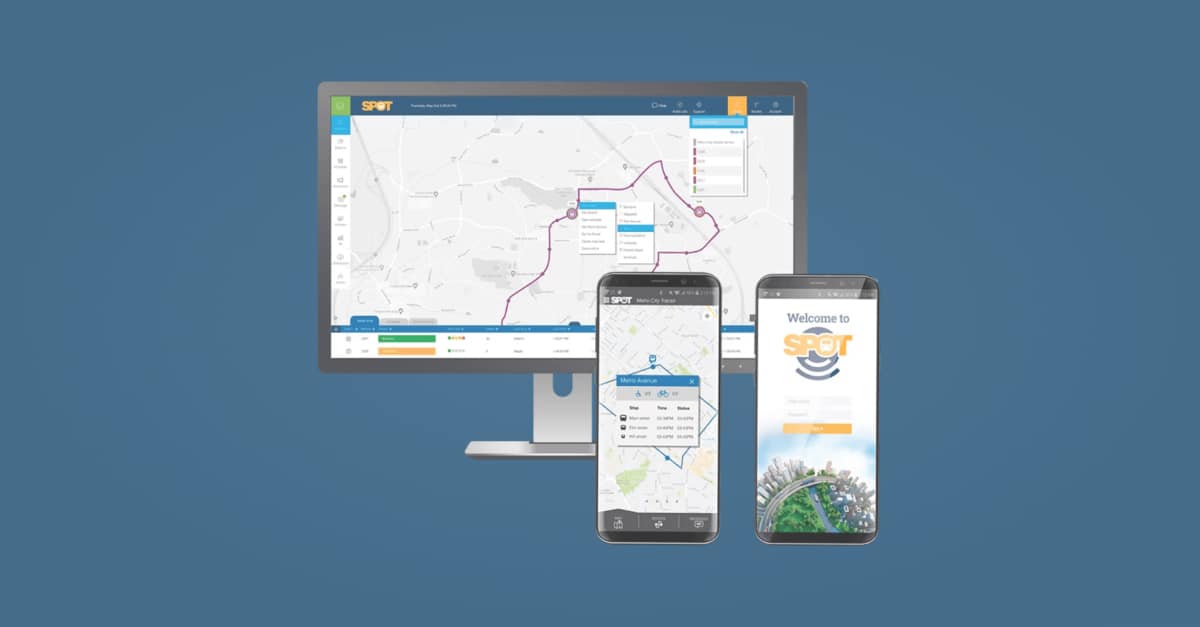
 SPOT: ETA’s Core Platform The SPOT™ ecosystem offers transit management solutions by providing a flexible, modular platform.
 SPOT: ETA’s Core Platform
  All Solutions
 CAD / AVL / GPS tracking
 Business intelligence
 Digital signs and kiosks
 Infotainment
 Automatic passenger counting
 Tally NTD Survey Software
 Tracking websites and apps
 Vehicle announcements
 All Integrations
 Demand-response and microtransit
 Fare collection
 Mobile video surveillance
 Pre-trip inspection
 Solar e-paper signage
 Vehicle health monitoring (AVM)
 Voice communication
 Transit
  All Industries
 Airport
 Campus
 Medical center
 Rail, streetcar & trolley
 Rental car
 Tourism & theme park
 Transit
 Case Studies
  Blog
Blog eBooks
 Wall of Love
 Careers
 Press
Press Events
 Support