As universities gear up for the fall semester, we revisit episode from April featuring Levi McCollum and Christian Londono’s conversation with Shelley Strimaitis, Planning and Special Projects Manager at Bloomington Transit. Shelley shares her journey from experiencing Singapore’s transit system to leading innovative projects in a vibrant university town. Shelley provides her insights on the transformative power of live vehicle tracking and how Bloomington Transit is using microtransit to fill service gaps while prioritizing fixed-route services. Discover how thoughtful transit planning is reshaping public transportation for university communities.
Stop Requested. Welcome to Stop Requested, the podcast where we discuss everything transit. I’m your co-host, Levi McCollum, Director of Operations at ETA Transit. And I’m your co-host, Christian Londono, Senior Customer Success Manager at ETA Transit.
Hi, Levi. Welcome to another episode of Stop Requested. How you doing today? Hey, Christian. I’m doing pretty well. How about yourself? Can’t complain. It’s a good day, especially when we’re recording Stop Requested. So, uh, tell me a little bit about today’s episode. What do we have prepared for today, Levi? Yeah. So today, we’re gonna be interviewing Shelly
Strimaitis from Bloomington Transit. How are you doing, Shelly? I’m great. How are you, Levi? I’m doing very well. And for those of you who don’t know Shelly, Shelly is the planning manager, uh, over at Bloomington Transit. So, we, we’ve got a, a full list of questions to ask Shelly, hopefully to, to dive deep into what’s going on there, some of the projects, uh, and also your background, so, you know, let’s start there, Shelly. Uh, can you give us an introduction into you and how you got into transit, uh, how you got to your current role? Yeah, absolutely. Um, so yeah, I’m here in Bloomington, Indiana, Bloomington Transit. Um,
I’ve been here almost two years. I started in July 2023. Um, came in from
Hampton Roads Transit in Virginia. I worked there for about two years before that, uh, doing kind of budget analyst, uh, very mind-numbing financial work, um, but I’ve always loved transit. Uh, I kind of came into this career path from getting my master’s in public policy in Virginia, uh, spent some time in, in government and realized that I really wanted to focus on transit specifically. I’ve kind of always been a lover of transit. I don’t know how far back we wanna go in my life, but, um, kind of fell in love with transit when I was, uh, a child. I was… Lived for a few years in Singapore at the beginning of my life, and I got very familiar with the MRT and the bus system there, and it was a real culture shock to be thrown into rural
Tennessee after living in Singapore. And I felt like kind of my whole life, I was like, “Why isn’t America caught up with the rest of the world on, uh, good public transportation?” So, happy to be where I am now, being able to hopefully make a difference in people’s lives and, um, kind of shaping the transit routes and options that we have in the city.
It’s very interesting. Eh, you know, l- uh, having lived in Singapore, uh, Singapore is, is, is a very advanced, uh, you know, community. I mean, they, they, they’re… Uh, what were you impressed about their transit system? What was something that you can remember of that was, uh, impressive while you were there? Yeah. It just was so easy. Y- This was in the late ’90s when I was there, um, and even then, just the ability to truly get anywhere in the city and from anywhere in the city super easily, um, and very independently. I think one thing that Singapore does really well, even though it’s a very major metropolitan area, is there’s a lot of autonomy that they give kids. So, even though I was really young when I was there, my sisters and I would, would independently be able to take the bus system or the train system, um, to go do shopping, to go visit our friends, um, even when we were, you know, under the age of 13. And I feel like that seems really shocking to an American audience, but I think Singapore does a great job of making it very intuitive for, like, new transit users, and then also just making it very safe, um, for everyone who’s, who’s using the vehicles there. Wow. That sounds really cool. Yeah. I, I can… A- a- and that’s the thing, uh, about traveling, being able to see other transit systems when, you know, visiting or, or living in a different countries, that you’re able to do that comparison and contrast, and then potentially see some technologies or practices that, you know, when, you know, you go back to your community or you work for a transit agency, uh, you know, you can implement and put in place. Um, so on, on that note, let me ask you b- uh, um, a question. What have you seen change in the industry during your time that you’re being, you know, in transit? Uh, are there any things that come to your mind of, that you’ve seen come into place to improve, uh, public transit?
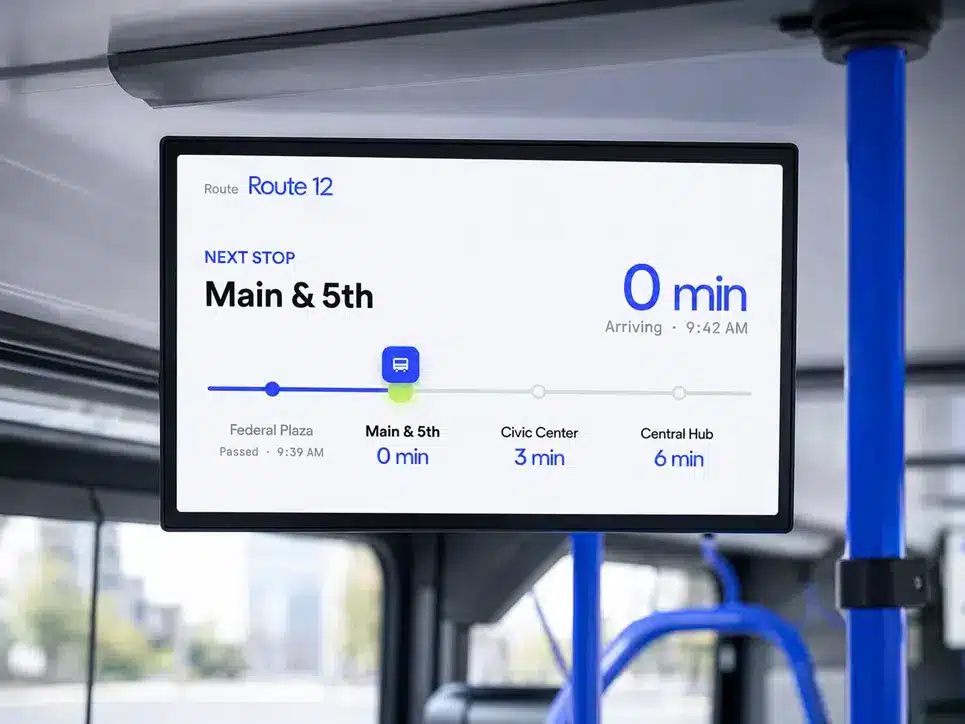
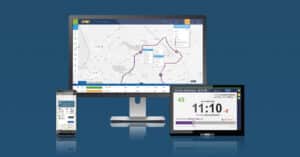
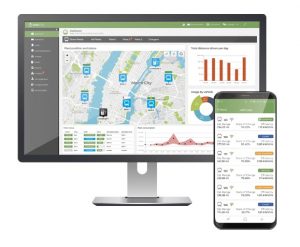
Yeah. I mean, I think, um, honestly, just, like, live vehicle tracking and specifically, like, the GTFS real-time introduction of that as kind of the new standard has been really revolutionary. I think about when I was in, um, grad school in, uh, 2018, ’19, um, I didn’t have a car at the time, so I relied on the bus system. Um, this was in
Williamsburg, Virginia. And at the time, there was no way to see where your vehicle was. Um, there was also no way to even see what… A full list of every stop on every route. Um, it was just really difficult at the time, even though there was already a, a GTFS feed where you could kind of understand how to get from point A to point B using Google Maps. Um, it really was difficult to figure out where, where your bus was, when you’re gonna get where you’re going. Um, so I think in the, just in the past few years, that’s been revolutionary, that any, even, like, a very small transit agency now has the resources to do, uh, kind of like live vehicle tracking. That’s been huge. And then I’d say probably the other biggest change has been the introduction of microtransit as a concept into the public transit sphere, um, and kinda how that is making people re-evaluate what does service look like, what does efficiency look like. Um, yeah.
Yeah. I like the microtransit e- example there. And, uh, y- you’re right. That, that has been pretty revolutionary in our space. Uh, has it changed the way that Bloomington operates specifically, and are there any examples that you could give us?
Yeah, we, so we rolled out a very small kind of phase one micro transit program, uh, last July. Uh, so it’s been going for about nine months now. Um, and we wanted… We basically created zones where people can travel to and from that are not able to be served by traditional fixed route. Either there’s too low population density or we used to have routes there and the ridership just never became sustainable. Um, so we’ve been able to kind of fill in pretty large gaps in the city with this service. Uh, and I think it’s been great because it’s not… We use a co-mingled approach, so it’s our paratransit vehicles that offer this micro transit service you’re, you’re riding in conjunction, like, both rider types are in the vehicle together, uh, and the booking platform kind of fits in what’s efficient for each rider and driver. Um, so we’ve been able to cover, like, a much larger area of the city with no extra resources essentially. We’re just kind of filling in the empty slots that our paratransit had, vehicles had during the day. Uh, so that’s been really great. We haven’t seen the demand for it really take off, uh, so we’re getting ready to ramp up this summer for kind of phase two, which will offer slightly larger zones, slightly different service hours. And then, um, we’re experimenting with, like, a kind of a downtown shuttle option this summer to help people get kind of first mile, last mile service in a really dense area of the city.
I see. Wow, that’s, uh, that’s really cool that you’ve, you’ve got those projects going on. Um, is, is there any concern, though, that expanding those zones could potentially cannibalize some of your fixed route or, because they’re separated or because of your, your low density areas, uh, not being intermingled w- with your high density areas? Uh, perhaps that’s not an issue, but just, just curious there what your thoughts are. Yeah, yeah. I think it’s, um… As a planner who really, really cares about buses specifically and fixed route service and improving that, micro transit really frightened me as a concept when we first started talking about bringing it online. And, uh, I think we, we, we created these zones so specifically where, where fixed route would not work because I was not gonna create a service where people are gonna be using that instead of our buses. Our buses are number one priority, I think, in my mind. Um, this is really just a way to fill in the gaps. And I think if that’s what you use micro transit for as an agency, I think it can be a really beneficial way to provide extra service for people. Um, but you have to be very intentional about carving out specific areas or times of service, uh, where you’re not gonna be competing with yourself. Um, and I think one way to do that too is if, with this expanded service that we’re looking at doing this summer, um, you know, if it takes off and it grows in a way that we’re not really expecting it to, I, I don’t really see that as a failure. I see that as an, as a way for us to then switch from a micro transit to a fixed route service in that area. Um, and I think then the, the kind of thing we’ll have to figure out is are people taking micro transit because they don’t like the bus or are they taking it because they need public transit service and they would be willing to take either vehicle type? And that’s something that I don’t totally have the answer to yet, uh, so kind of wait and see on that.
Yeah, that makes sense. Uh, it seems like that would require some teasing out maybe with surveys or, uh, you know, perhaps just, uh, getting some additional feedback from your riders in a, in another way. Um, but yeah. Thank you for that answer. Appreciate it.
Yeah. That, that’s a very exciting project and, and, and definitely the, the demand and the usage, it, it’s what… It’s always under evaluation to see if at some point you have to change the service model. Um, you know, if, if you don’t have that much of a demand then, you know, it just makes no sense to just operate, um, you know, fixed route in that area for, you know, the amount of trips people will take and also the cost of operations, that, uh, micro transit a lot of times is the answer and is the best way to go. But then as that services grow and then it’s important to see how it’s connecting with the rest of the network and how to also make it more cost-effective for the community. Um, so I, I want to take it a couple steps back. Eh, you know, we started talking about some of the projects you have, uh, going on, eh, upcoming.
Um, but just wanted us, uh, to, you know, hear from you about your current role in the planning department and, and just wanted to understand what is some of your responsibility today as a, a planning manager and, you know, scope of, of what you have to do on your day-to-day. So if you could share some of that, uh, with us, that would be great. Sure, yeah. Well, of course, every day in transit is completely different than the day before, um, and I’m learning that. I’m, so I’m the planning manager and I’m also the special projects manager here. So, um, half of my job is, is planning, so that looks like evaluating, um, data about the routes, um, suggesting route changes when necessary. Um, I get super into the nitty-gritty sometimes with bus stops and managing bus stop placement and, um, even installing bus stops. Uh, when everyone else is busy, I’m gonna do that. Mm-hmm. Uh, and then I’m also kind of the other half of my job is the big picture kind of special projects implementation person here. Um, so big part of that, like last year we had, um, three large kind of software project rollouts. One being the CAD AVL system through ETA, one being the, uh, micro transit paratransit, uh, routing software implementation. And then the third that we’re still kind of in right now is our, um, automatic fare collection system upgrade. Um, so I was kind of the-… point person on those, um, making sure the details of what’s getting installed, what rules are we doing, what needs to be ordered, all of that, um, good stuff, I was in charge of that. Uh, and then looking forward, we’ve got, you know, every year there’s a new set of projects that we’re working on. So, I’m coordinating a few things. Uh, I- I- I’m kind of the- a little bit of the do it all person here, but that makes me sound more important than I am, so.
No, i- i- it’s- it’s a very important role and in my opinion, uh, you know, transit planning is really the brains of the organization and is, uh, materialized in the vision. You know, those- those leaders in transit agencies set up a vision for the agency, but you have to break it into actionable, you know, set of steps a- and it’s- it’s strategy to, you know, bring that into reality. And those people in planning, uh, you know, have a lot of responsibility with making that happen. Uh, and- and with that I- I wanted to ask you if you could, uh, tell us for, you know, the next five to, you know, ten years or maybe th- the very next five, what are some of your strategic initiatives? Like, you know, what are some of the priorities that, uh, you guys are working on- on, you know, completing or achieving over those- Yeah. … next five years? Yeah. Um, big headline over the next five years is a building expansion, um, which is a very difficult thing to, uh, to plan for. Uh, we have outgrown the space that we’re in right now, which is, you know, it’s kind of a wonderful problem to have. We need more buses and bigger buses than we currently have, uh, we need more space for our staff, um, and we’re on a fairly small plot of land here. So, we’re looking at purchasing some land and then, uh, hopefully getting a grant from the FTA to expand our footprint, um, just to be able to offer greater service. Uh, so that’s- that’s the big thing that’s, uh, what everyone is thinking about all the time here. Um, but I’ll say, uh, a little bit more in my wheelhouse is our- the potential for a BRT, a bus rapid transit system. Um, another project we did last year was a feasibility study for, uh, an, uh, east-west corridor BRT in the city. Um, and that is a very long, uh, timeline project for sure. So, we’re looking at three to five years at a minimum on that and, uh, so right now we’re kind of in the very early planning phases of what would that look like? What infrastructure do we need in place? Um, how can we work with our city of government- city government partners on, uh, preparing for that? Um, so that’s- that’s another big five year project we’re working on. And then, um, I guess a third one is we have a goal of 60% electric, uh, vehicle adoption by 2030. So, whew, I can’t believe 2030’s only five years away.
Uh, that’s gonna be here before we know it. And, uh, we’re- we’re making a lot of progress on that. We have, by the end of this year we’ll have 16 fully electric buses, um, out on the road, um, so that is almost half our fleet. I think we’ll be able to meet our goal by then. It sounds like you’re well on your way for that.
Yes, definitely so. And this next generation, second generation of, um, electric buses are vastly outperforming the first. So, we’re really excited to have all this new tech.
Uh, which, uh, bus manufacturer did you go with for this- this second batch? Uh, we went with Gillig’s. They did our first batch, so we got two electrics back in 2021 and those were also Gillig’s. They were, I think John has said they’re, like, number eight and nine off the line of first ever electric buses made. Um, and, uh, you know, with version one of everything, we- there’s been some hiccups here and there. They’re still obviously in revenue service, we still use them regularly, but, uh, this newest batch also from Gillig, um, the promises they made about electric or the- the battery life on these are holding to be true. Uh, they can do a full 12 to 16 hour route without any problems. Um, so yeah, that’s been very exciting to- to see those come on board.
Wow. 12- a full 12 to 16 hours, that is impressive. Uh, so it sounds like you haven’t had to, uh, you know, change your service in any way, you’re not decreasing headways in order to, uh, you know, just to be able to put an electric vehicle out there? No, yeah, it’s been great. We really have not had to change the service. With, uh, with the first round, those two electric buses we had, they basically could only run, um, they could run about 10 to 12 hours, but given that our shifts here are eight hours, th- they would basically only run half a day and then they’d have to be swapped out for another one. Um, so yeah, this is a total game changer, these new ones being able to run full day’s route. Um, it’s been great to not have to… I know a lot of trans agencies are having to plan their service around their vehicles, and we’re lucky that our vehicles are just able to provide what we already provide service wise. And- and those are in depot charging, uh, rather than en route? Uh, that’s these- Yes. …
what I’m assuming? Yep, yep. They’re just only charged overnight. Um, you know, luckily we have a full, uh, s- seven or eight hours where the buses are here overnight, they can get up to a full charge. Um, with our new expansion building, you know, we’ve- we’ve kind of looked at potentially doing, um, convenience charging or whatever that is called when the buses are laying over and getting charged. Um, but really, I-
Opportunity. … right now f- yeah, opportunity charging. Yeah. Thank you. But luckily right now with these buses, it’s looking like they won’t- they won’t need the, like, that midday boost that some do. That sounds good. That sounds good. A- a- and, and what I like is, is the expansion. That’s, um, also very exciting when you’re, uh, looking to increase your footprint because when you run a, a bigger… or, you know, your system is growing into a bigger transit system, uh, one of the main things you need is parking. At least you have to have- Mm-hmm. … additional parking and, and, you know, of course, grow your different departments, especially the planning department. Uh, a lot of the times-
… as agencies are growing, they grow bus operations, they grow, you know, all the frontline employees that are needed to deliver the, the service. But sometimes we forget about, you know, adding some additional planners to help, um, you know, making it happen. Um, but hopefully that won’t be the case. As we’re growing at Bloom-
. … Bloomington Transit, we’ll, we’ll add more resources, even in planning. Um, so le- let me ask you one question. When you are going about, um, your planning process at, uh, Bloomington
Transit, you know, of course you’re taking input, uh, from different sources, you’re running the reports, uh, which allow you to also, you know, get some insight into the service and, and identify some opportunities, but, eh, how’s your involvement from, from the community for i- in particularly, uh, from the university when it comes to, eh, providing feedback to the service or maybe asking for or directing, uh, specific changes? So how does that work for you guys? Yeah. Yes.
The Indiana University is our… the university that’s in town here, and they are just a huge portion of Bloomington Transit ridership and engagement and everything, because they are over 80% of our riders are somehow university affiliated, either students, faculty, or staff at the university. Um, so they are very… they are very important to us. Um, and I’d say there is… the… always the, the focus for us is fulfilling the ridership needs of the student population. So especially in university towns that do not have enough on-campus housing for all their students, which is gonna be any of these, like, larger universities, um, student populations are getting pushed kind of further and further away from campus to find their housing. Uh, and that’s really… I think that’s becoming, uh, the trend nationwide. Um, so now student housing is no longer within walking radius. Sometimes it’s miles away. And, uh, the role of public transit, I, as I really see it, is to get these students to and from their housing, and
I should say to the campus, to their housing. Um, and then, uh, we also have here, Indiana University has their own campus bus program, which really focuses on getting students around the c- campus once they’re there. Um, so we really work in tandem and we don’t tend to compete with each other or cannibalize each other’s service, which I think, uh, is a real blessing for our ser- it’s… it works great for us. I know a lot of other university towns are sometimes juggling whether their service is gonna compete against the university service, or if the university service doesn’t even have their own, um, bus service, then the public transit agency sometimes has to step in and provide both to and from campus service as well as within campus. Um, and we’re… I think we’re in a great place here, um, to kind of have our own segmented service that we provide. Um, and then of course, along with that becomes the, I don’t know, challenges and new opportunities of engaging with our student population when we have, uh, route changes, when we have new technology, new ways to pay. Um, and that’s been… over the past year and a half, um, it’s been a huge hurdle that
I am working on getting over. So, uh, just for one example, when we had ETA come on as the new bus tracking app, um, we had to… we did a big campaign on all of our campus buses to notify people that, “Hey, the, the old tracking app you used to use is going away. Here’s this new one, here’s where to download it.” Um, and I think we’re very fortunate that student populations are very tech-savvy and, you know, someone will get on Reddit or Facebook or Twitter and they’ll share a post of ours.
And word tends to get around campus very quickly. So we’ve not had to do the same high-intensity public outreach to our student population that we sometimes have to do with the public, because the public tends to be more offline. Um, so that’s been… it’s made my job a lot easier that everyone’s just, uh, on their phones these days.
Yeah, I could see that for sure. Uh, y- you know, the… like you said, the, the good part is that students are really quick to pick up on those new technologies and pretty embrasive, I would say. Uh, you know, in my experience work… I haven’t worked in a university town quite like that, but of, of course had, uh… you know, been the… their planning manager or planning director in a couple places with universities. And, uh, you usually don’t have to worry too much about the students and their ability to be able to, uh, pick up on, you know, r- route redesigns or technology.
Um, have you… have you had any experience with, uh, you know, working with the university for, you know, talent or in a human resources capacity? Is, is that something that Bloomington Transit does? It’s not. We have a very interesting relationship with the university in that our building, we, we, uh, share a building with Indiana University Campus Bus. They own the land that the building is on, we technically own the building, and then all of the maintenance and administration offices here are, are split between the two. So for how closely we are physically next to each other all day long, we have quite a unattached day-to-day operations. Um, so we have totally separate, um, like driver pools, totally separate vehicle maintenance staff.
Um-… and really, everything is, is completely done by them and by us here. Um, and I, I… We’ve… Bloomington Transit, I think, would be interested in combining some resources. I think there’s some duplication of work there, um, but I know Indiana University has, uh, the ability to… Because they’re not FTA funded, there’s some, uh, leeway and things that they get to do that we do not have the privilege of doing that I think, um, really makes it best for them to stay separate.
Yeah, that’s understandable. Uh, y- you know, as much as the funding can benefit the agency, uh, there are some constraints to it as well, right? You, you have to be able to check certain boxes and, and your compliance, uh, and of, of course, you, in the end, have to answer to the FTA because that’s where a lot of the money is coming from. So, you know, having that freedom and autonomy i- is something that, you know, it sounds like Bloomington Transit and other agencies that receive FTA funding might not have. Yeah. Well, and I should say, I don’t know where this fits in here, but we had a big, uh, kind of shock, shocking news from our Citybus friends over in Lafayette, Indiana. They provided for, I don’t know, decades, uh, they provided the on-campus bus transportation for Purdue University there, and then they, uh… Purdue, just this year, went out f- for, like, an, an RFP to provide this service, which they’ve done in the past and then Citybus is always selected as the agency to provide that. Um, but then this year, the university went with a different vendor.
Um, so I think that just… That’s just a… So Citybus as a, as a public transit agency just lost a huge portion of its, um, revenue and service that it tends… Th- that, that it’s always kind of provided before.
Uh, so I think that’s just… It kind of highlights the, the need for public transit agencies and universities to have a very strong and, like, happy relationship because I think if there’s any k- kind of contention, there’s a possibility that, that one can just pull funding from the other and kind of make a very sudden impact.
Yeah. And, and I think that the transportation goals are mutual goals, right? Like, at the end of the day, most of the riders today for Bloomington Transit are students from the university, and then the university, in order to provide their services, they have to have a, you know, rely on good transportation so students can get, uh, to the university. And, and one of the things you, you mentioned earlier about a, you know, housing, uh, you know, at campus not being enough and, and… Or maybe not being as affordable as it might be for, you know, students to, you know, live outside of the campus. Uh, it just still presents a challenge of transportation. Um, but let me, let me ask you. You mentioned, uh, the importance of that partnership. So could you t- tell us a little bit more about that relationship and, uh, do you have any kind of service board, eh, you know, where you have stakeholders, uh, that ride the system maybe and, and they come and, you know, share their experiences or, or share their demands?
How does that work? Um, uh, I wish the answer was yes. I think that would be super useful. I know in a lot of… Like, a lot of transit agencies have a ridership, um, kind of committee that comes to- together to make choices. We do a lot of planning and decision-making with, for university routes in general just by analyzing data, listening to…
Uh, we, we do receive, like, a lot of student feedback just, um, through our customer service kind of contact methods. Um, but the, but the, the data is really what drives any changes that we do, uh, which I, I, I think that there’s obviously a lot of value in soliciting feedback from the public, um, but I think you have to make sure that you’re not just hearing perhaps, like, all the complaints from a system, which is what tends to happen, I think. Uh, and I think data is a great way to kind of evaluate the feedback that you’re getting, making sure that it’s not one-sided, w- what’s really best for the whole system and not just a select number of riders. And, and, and so w- when it comes to that relationship with the school, um, how does the different events they might have or programs impact your service? Uh, meaning, you know, they start, I don’t know, they expand classes during the summer or, or, you know, things that they are doing on their side. Yeah. Uh, how does it impact the service or, you know, where you have to take that information and then maybe make changes to routes. Uh, is there any example of that? Yeah. Well, I guess kind of, uh, this feeds into just our regular schedule throughout the year is highly dependent on the university’s schedule. So we reduce the service hours and the routage, um, when IU is on summer break and any time that they’re on, you know, fall or winter break, we reduce service to kind of match the demands of the student population that’s gone home or is still remaining. Um, so we do coordination. We do a lot of, I should say, like, calendar-based coordination. So when are, when are you guy- when are your students gonna be here? When are they gone? Um, and then, uh, also with, with the university, there’s a lot of coordination on kind of big sporting events. The university does a lot of things on campus that are gonna end up, you know, impacting our routes. So we have a good line of communication on, okay, what? You know, what’s taking place this weekend? What routes do need to be changed? Um, and where can we distribute that information to student riders? Um, yeah.
And is that something, as the planning manager, that you’re directly responsible for or are you able to, you know, give that to one of your staff members?
Um, I am usually the person through which the communication flows to if it’s from outside of… So, if it’s from the university or if it’s from the city or different channels, um, kind of the main contact person, and then from there, um,
I work with our dispatch operations team and our, um, marketing manager to get that information out to both the drivers and then our passengers on the ETA platform, the… our social media outlets, our website, um, things like that. Uh, so, you know, based on y- your experience working at Bloomington Transit and, you know, that collaboration that you have with Indiana University, wha- what are some… i- some kinda key takeaways that you might be able to share with our audience so i- you know, if they’re working in a similar situation or they’re striving to have that type of collaborative environment, uh, do you have any pieces of advice for them? Yeah, I think there’s a tendency for agencies to view university-affiliated riders as captive riders, um, because these are kids that, you know, they live off campus and they’re trying to get onto campus. How else would they… would they do this if there wasn’t a bus system? And I think with that thinking tends to lead to planning decisions that can have, uh, kinda worse outcomes for the people who are actually ride- ride the bus, and I think it’s really important for transit agencies to remember that oftentimes these are not captured riders. These are choice riders. Um, these are kids who have their own vehicle a lot of the time. These are kids who are very comfortable using Uber. Um, they have friends in their… where they live that can give them a ride.
There are actually a lot of options that students have to get to and from campus, um, and so I think transit agencies… important to really prioritize the rider experience, um, for these campus routes, so making sure that, you know, your, your headways are, if, uh, if at all possible, lined up with class times, making sure that you have enough vehicles out there, uh, and large enough vehicles out there to accommodate the capacity that these routes really need, um, because I think i- there’s a tendency to like, well, we could scale back our service and, uh, we’re still gonna have the same number of riders. And I,
I, I don’t think that’s the case. Um, I think if you look at the data, that’s not the case. And then also if you talk to folks who, who ride the bus, you know, they ride it ’cause it’s convenient and ’cause they, they prefer it to other transportation modes, and, uh, if you try to change too much about that, um, they will absolutely find another, another way to get there. And I’ll, I’ll talk about just from my own experience when I was, um, a college student at William & Mary. Um, I rode the bus every single day to and from campus. I actually didn’t even have a car at the time, um, but someone proposed to me the hypothetical situation of what if it wasn’t free? It was, it was free for me to take the bus ’cause I was a student, and let’s say I had to pay, you know, dollar or two every time I took the bus. Would I still take it as often? And it was a very easy answer for me which is no. I would… I had other options. I could carpool with a friend. Um,
I could even walk to campus. It wasn’t that far. Um, there’s the exact way that the bus system was set up that made it ideal for me, and if you changed almost anything about it, I probably would have not taken it . Um, so I think that’s just es- an important mindset to keep in mind for, for transit agencies that are planning around a student population. Yeah, that’s a good point. And, and I think what’s key there and what I’ve seen in some communities is that, um, the students’ access to transit is built in into, into their tuition, so either they get automatically like a smart card or, you know, they, they, they get, uh, a pass that would allow them to ride the system, and then it kinda feels that it’s free, right? Like, it feels that you’re not paying, you’re not coming u- you’re not coming up with, like, hard cash every time that you ride the system. Uh, it, it, and it also feels that because you’re entitled to it, like you’re… it’s, it’s paid with your tuition, that you should take advantage of it and use it. So, I think that’s kinda like, you know, the other side of what you were saying is, uh, you know, when you start charging and, and then people start feeling, you know, how is affecting, it’s going to have, uh, an impact on ridership and how much people would be willing to take it. Uh, but, you know, when you have that relationship or you’re able to develop that program with the university, then, you know, you’re, you’re able to get the positive side of that relationship. Um, i- i- on that note, how does it work for, uh, Bloomington? The, the students have to pay every time they ride the transit system or is there any kind of discount or advantage, uh, for the students? Yeah, so Indiana University students ride fare-free, so they don’t pay when they board the bus. Um, but
Indiana University pays Bloomington Transit a lump sum every year, a contracted amount, um, for that service to allow their students to, to ride for free at- on the buses. And that fee, my understanding is that fee is brought out of a, um, student activities, transportation kind of general fund that… So, students are paying for it. I think it’s also a really important distinction to say that they’re not riding for free. They’re riding fare-free at the time of boarding, but they… you’re right, they have… they’ve already purchased that, uh, the right to use the system like that, so. Yes, i- i- and it’s good that they feel that it’s also their, their system, like the way t- they get around and get that endorsement from the school. Uh, even though they have their own campus trans- transportation, uh, the school, I think it helps a big, uh, degree with communication, uh, to the students so you’re able to, you know, make them aware of service changes and, and so on in advance.Uh, so that’s definitely something to, to keep in mind. So, it- it- it seems, you know, there’s a lot of nuances when it comes to, uh, public transit, especially when you have to coordinate, uh, with a university or your operation in your ridership is mostly from, uh, you know, a, a university. Um, so, you know, I wanted to, um, also thank you, Shelley, for, uh, joining us today. I wanna just, uh, wrap up with, you know, what are two or… one or two recommendations that you can give. I think you’ve already shared some, but something you could share with, you know, any, uh, transit planners that work with… in communities where they have college towns? Yeah. Well, yeah, I’d say my, uh, my recommendation to any planner at any agency is to go out and, and be familiar with your routes, ride the bus if you can, you know, once a week at least, ride it in your personal life, um, and be really familiar with what the user experience is. Um, I think that just provides such an insight into what’s best for, for the users, whether they be university or city, city folks. Um, and yeah, I would also say I’m a big proponent then, of, of just data analysis as well. Um, use the, the resources that you have, um, to evaluate the routes that you have, um, and then, uh, listen to both. You know, get the data and then also get the feedback from your riders, um, to kind of figure out what’s best. And then university specific, I would say, um, try as much as possible to get plugged into the ways that the university communicates to their students. So, I think sometimes universities kind of have a, have a lockdown on sending information to their students. Um, and if at all possible, develop relationships with those folks at the university to say, “Hey, can we, can we get… during an orientation week, can we come do travel training so students come, become more familiar with the bus, or can we get into different, um, on-campus activities so that students become more familiar with who the transit agency is, the best ways to use it?” Um, I think ultimately that’ll grow your ridership and it’ll also improve rider experience.
Wow. Well, thank you, Shelley. Tho- those are definitely two great, uh, pieces of, uh, recommendation. I think, uh, you know, something you mentioned and it applies to transit planners and, and all of us, you know, Levi, myself included, as transit planners, I- it’s a must, uh, to ride your system, uh, y- you know, before you start doing changes or, you know, to, to actually, you know, start impacting the service. If you don’t kinda… uh, if you don’t know it firsthand, like, if you don’t see it firsthand, it’s gonna be very difficult to, you know, be able to sometimes couple that with what you see behind the computer with the data, right? Like, the data’s very important also, but you coupling those two together, it’s what helps you be- make better decisions. Um, so Shelley, again, I wanna thank you for your time, uh, with us today, joining us on Stuff Requested, sharing some, uh, some, uh, highlights of your career in public transit and also for, you know, sharing your, uh, insights and recommendations on how is operate transit for, uh, you know, college town. So, thank you for that. Yeah, absolutely. Thank you guys for having me. I’m always happy to have a conversation about transit with anyone who will listen.
That’s right. Thank you. Um, so just wanna wrap it up there and, and also thank all of our, uh, listeners for tuning in and to remind them that we have an episode coming, uh, every Monday. Uh, so thank you for listening and, and I hope we’ll see you, um, during the next one. Thank you. Thank you, Levi.