
Blogs, news, case studies, templates, podcasts and more; all right at your fingertips. Browse our comprehensive transit resources database to find information your agency needs to improve operations, grow your knowledge base, and expand your understanding of the industry at-large.
Mass Transit Magazine Editor-in-Chief, Megan Perrero, on the Power of Transit Storytelling
In this episode of Stop Requested, hosts Levi McCollum and Christian Londono speak with Megan Perrero, Editor-in-Chief at Mass Transit Magazine, about her unique journey from transit-dependent Chicago resident to leading voice in transit journalism. Megan shares how her decade of car-free living in Chicago shaped her perspective on transit coverage and her path from yearbook enthusiast to B2B journalism expert. Learn about her time at the Shared-Use Mobility Center and how transparency and storytelling shape public perception of transit systems. The conversation explores Mass Transit Magazine’s role as a trusted industry resource, the balance between technical coverage and accessibility, and emerging trends like transit-oriented development and alternative fuels. Megan discusses the magazine’s flagship 40 Under 40 program and offers advice for emerging journalists about approaching stories with curiosity and avoiding premature conclusions. This episode reveals how thoughtful storytelling can drive positive change and community buy-in for transit systems nationwide.
ETA’s Radio Integration Improves Dispatch Communication
ETA’s radio integration improves dispatch communication at TARTA.
SPOT™ CAD/AVL System Deployed at Greenville Area Transit (GREAT)
Boca Raton, FL. May 1, 2025. ETAs, a prominent provider of cutting-edge transit technology solutions, is pleased to announce the successful deployment of a CAD/AVL project in collaboration with Greenville Area Transit (GREAT). The project was kicked off in October 2024 and was installed within 4 months.
Why ‘On Time’ Isn’t Always on Target
Levi and Christian unpack the complexities behind on-time performance, exploring why being early can be worse than being late, how operators juggle impossible schedules, and the hidden challenges agencies face in defining and maintaining punctuality. They break down how this simple-sounding stat can be surprisingly complicated—and why it matters to both riders and agencies.
How Miami-Dade Keeps Evolving the Rider Experience with Doug Bermudez
In the final episode of their Miami-Dade series, Levi McCollum and Christian Londono talk with Doug Bermudez, Chief of the EASY Card Fare Programs and Customer Experience Division at Miami-Dade County Transportation and Public Works. Doug shares how his path from frontline customer service and marketing led to overseeing the fare programs, contact center, and rider communications that shape how people experience the system. The conversation explores Miami-Dade’s evolution from paper transfers and smart cards to contactless payments, fare capping, third-party apps, and account-based ticketing. Doug also discusses why technology only works when it removes friction for riders, how agencies can use feedback to find gaps, and what it takes to prepare a regional transit system for the World Cup.
Engineering a Regional Transit Ecosystem in South Florida with WSP’s Shriram Ramaratnam
Levi and Christian are joined by Shriram Ramaratnam, Vice President, Transit & Rail at WSP, to explore how Miami-Dade, Broward, and Palm Beach counties are piecing together a truly regional, multimodal transit network. Shriram shares what he’s learned from two decades of congestion modeling and BRT planning, why land use and sustainable funding are non-negotiables, and how agencies can think beyond fixed routes to serve the full door-to-door journey. They also dig into underrated technologies like real-time passenger information, the invisible challenges of maintenance and budgets, and Shriram’s advice for emerging planners learning to embrace incrementalism and compromise.
What We Learned at the 2025 Transit Bus Summit
In this episode of Stop Requested, hosts Levi McCollum and Christian Londono explore the unique experience of the Transit Bus Summit, an event that goes beyond traditional transit conferences by fostering direct, meaningful connections between agencies and vendors. Christian shares key takeaways from this year’s summit, including discussions on integration challenges, open data standards, and the growing demand for infotainment and hardware reliability. Hear firsthand how this tailored approach to networking and knowledge-sharing is shaping the future of transit technology—and why it’s a must-attend event for industry professionals.
Overcoming Transit’s Information Silos with Walter Jenkins, Transit Chat Founder
What happens when the person who’s worked at your transit agency for 20 years retires—and takes decades of institutional knowledge with them? Walter Jenkins, founder of Transit Chat, knows this problem all too well. In this episode, we dive deep into the communication breakdowns plaguing transit agencies of all sizes. From managers drowning in 65 emails by noon to critical information getting lost in endless reply-all threads, Walter shares real stories from over a dozen agencies about what’s not working—and what can be done about it. You’ll discover why traditional communication methods fail in transit environments, how geographical data adds complexity to documentation, and the surprising power of skip-level meetings between CEOs and frontline employees. Walter also reveals how Transit Chat is working to become the centralized platform for communications, files, and assignments that agencies desperately need. This episode offers practical solutions for building better communication culture in your agency.
Former CUTR Sr. Research Associate & Industry Pioneer, Dr. Xuehao Chu, Reveals How He Transformed Transit Data Collection
In this episode of Stop Requested, hosts Levi McCollum and Christian Londono speak with Dr. Xuehao Chu, former CUTR Senior Research Associate, about how he revolutionized National Transit Database reporting and potentially saved transit agencies millions. Dr. Chu explains how he discovered critical flaws in FTA’s universal sampling plans that forced agencies to over-sample while others remained statistically non-compliant. Learn about his development of the customized sampling manual now used nationwide and how his research transformed federal policy. The conversation covers the evolution from manual sampling to APC certification, clarifying when qualified statisticians are needed and debunking common misconceptions. Dr. Chu discusses data cleansing challenges, the importance of tracking operated versus scheduled trips, and practical advice for agencies navigating NTD compliance. Discover how one researcher’s statistical expertise transformed an entire industry’s approach to data collection.
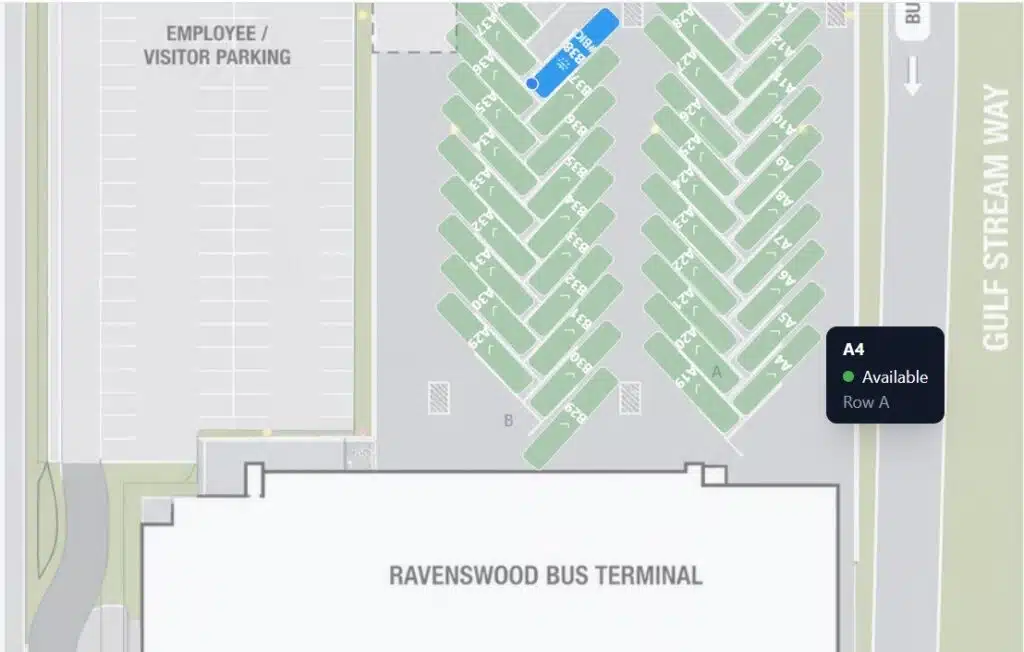
Stop Hunting for Buses. Start Running Your Yard.
Every transit agency knows the drill. It’s 5:45 AM. Pull-out starts in fifteen minutes. A dispatcher is on the radio asking where Bus 412 is parked. A utility worker is walking the lot with a flashlight. Maintenance thinks it’s in the back row. Nobody’s sure.
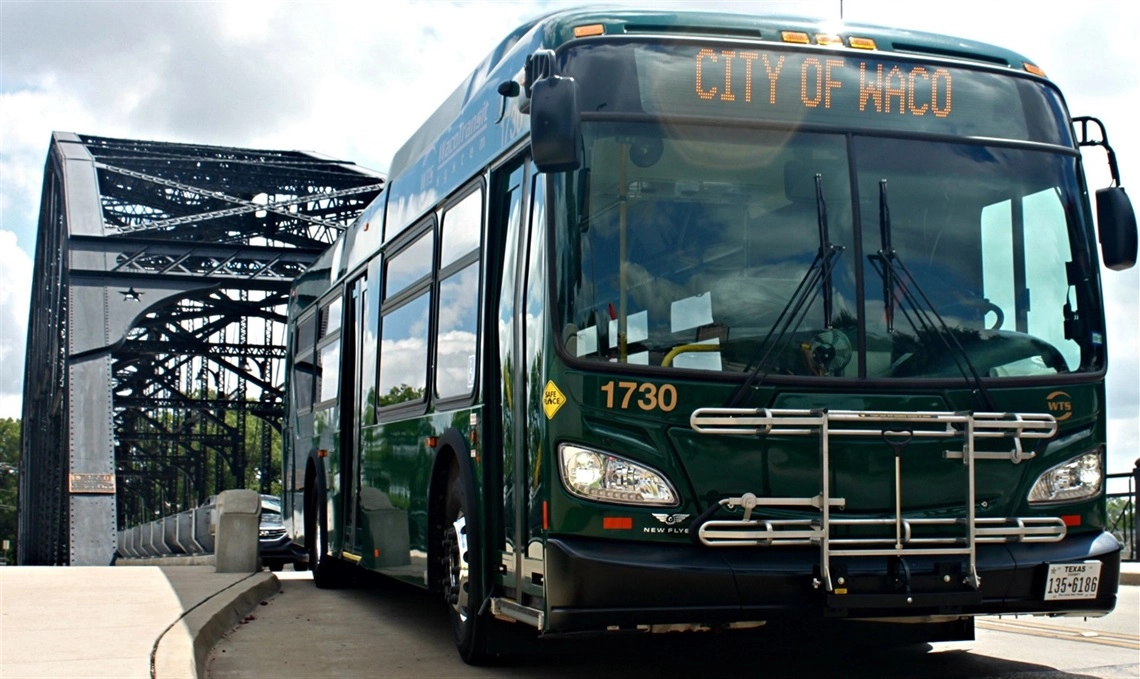
Waco Transit Achieves APC Data Reliability and Certification Readiness with ETA’s Tally Platform
Waco Transit partnered with ETA to improve the accuracy and reliability of its Automatic Passenger Counting (APC) data in preparation for National Transit Database (NTD) APC certification. By combining hands-on technical support along with ETA’s Tally platform, the agency transformed its data quality and established a clear path toward certification.
Fighting to Win Better Transit with Author & Advocate Carter Lavin
Transportation advocate and author Carter Lavin joins Levi McCollum and Christian Londono to unpack why “being right isn’t enough” in transit and how to actually win. We explore how to shift what’s possible, organize riders where they are, and build coalitions that move from local fights to statewide wins. Carter shares lessons from the Bay Bridge bus-lane campaign, explains why every bench, bulb-out, and bus lane is a political choice, and lays out actionable steps for advocates and agencies to turn good ideas into real improvements. Carter’s book: If You Want to Win, You’ve Got to Fight: A Guide to Effective Transportation Advocacy. Available at Island Press: www.islandpress.org/fight Use code FIGHT at checkout for 20% off.

The key to transit technology satisfaction—effective communication, reliable hardware
In the realm of mass transit technology, it is a rare occurrence to encounter a potential customer who enthusiastically praises their current CAD/AVL (Computer-Aided Dispatch/Automatic Vehicle Location) vendor. To put it simply, transit operators are often dissatisfied with their CAD/AVL vendor. According to our annual surveys of transit agencies, more than two-thirds express their discontent.
Turning Community Feedback Into Better Transit with Shofi Ull Azum
In this episode of Stop Requested, Levi McCollum and Christian Londono talk with Shofi Ull Azum, Chief Planning and Development Officer at Cherriots in Salem, Oregon. Shofi shares how the agency uses community feedback, rider data, and operational experience to shape service decisions. The conversation explores Cherriots’ ridership growth, 90 percent on-time performance, and plans for microtransit, bike share, and new transit centers. Shofi also discusses why public engagement should not end with a survey, how planning and operations work together, and the importance of showing communities how their input influenced the final plan.
Transit Innovation in a University Town with Planning Manager, Shelley Strimaitis
In this episode of Stop Requested, Levi McCollum and Christian Londono speak with Shelley Strimaitis, Planning and Special Projects Manager at Bloomington Transit, about her journey from experiencing Singapore’s transit system to leading innovative projects in a vibrant university town. Shelley shares insights on the transformative power of live vehicle tracking and how Bloomington Transit is using microtransit to fill service gaps while prioritizing fixed-route services. Discover how thoughtful transit planning is reshaping public transportation for university communities.
Designing for the Human Side of Transit with Mark Hughes
In this episode of Stop Requested, Levi McCollum and Christian Londono talk with Mark Hughes, founder and Principal Transit Experience Lead at Transit Experience Group and Chief Design Officer at Mark Hughes Creative. With a background in product design, digital experience, and customer experience, Mark brings a private sector design perspective into the transit industry. The conversation explores how riders experience transit through human interaction, why frontline employees shape trust in the system, and how training can better prepare operators for real world conditions. Mark also discusses wayfinding, communication during disruptions, rider confusion, and why customer experience is not separate from operations.
Inside MARTA’s 1,000 Amenity Program That Transforms Bus Stops for Everyone with Corentin Auguin, Manager of Special Projects and Analysis
In this episode of Stop Requested, hosts Levi McCollum and Christian Londono speak with Corentin Auguin, Manager of Special Projects and Analysis at MARTA, about the complexities of managing 8,600 bus stops across three counties and ensuring ADA compliance 35 years after the landmark legislation. Corentin shares his journey from France to Georgia Tech to becoming MARTA’s bus stop expert, and breaks down the three-step ADA assessment process: access (curb ramps and walkways), waiting areas (landing pads and shelter clearances), and signage placement. Learn how MARTA completed their ambitious 1,000 amenities program, adding benches and shelters while navigating space constraints in urban, suburban, and rural environments.
Mountain Line Selects ETAs to Replace Legacy Platform with Full CAD/AVL Suite
Boca Raton, FL. April 16, 2026. Mountain Line, Missoula’s public transit system, has selected ETAs to replace its legacy CAD/AVL solution with ETA’s cloud based Intelligent Transportation System platform. The deployment will equip all 30 fixed-route buses with a fully integrated suite, including CAD/AVL, Mobile Data Terminals (MDTs), Automatic Passenger Counting (APC), Onboard Announcements (OBA/AVA), passenger infotainment screens, and Digital Pre-Trip Inspection (DVIR), giving operators a complete view of fleet operations while improving the rider experience across Missoula
Developing the Next Generation of Transit Leaders with Christina Villarreal
In this episode of Stop Requested, Levi McCollum and Christian Londono talk with Christina Villarreal, Executive Director of LIT, a national nonprofit focused on workforce development, mentorship and leadership in the transit industry. Christina shares her path from the nonprofit sector into transit and how LIT has evolved to support a broader and more inclusive pipeline of professionals. The conversation explores mentorship, leadership development, and the importance of making training and career opportunities more accessible across the industry. They also discuss common misconceptions about careers in transit, how agencies can better support employee growth, and why building a strong workforce pipeline is critical to the future of public transportation.

Tale of Two Surveys: Understanding APC Certification and APTL Survey Part 2
Accurate data collection is critical for transit agencies, especially when reporting to the National Transit Database (NTD). One essential measure is the Average Passenger Trip Length (APTL), which helps agencies calculate the distance passengers travel on average for each unlinked trip. Reporting APTL is a key part of ensuring compliance and maximizing funding from the Federal Transit Administration (FTA).

A cash-free future begs you to take my money.
Versatile payment collection capabilities simplify payment and meets the preference of the rider. While regular transit riders will likely stick to a single form of payment for their transit fares, periodic or impromptu riders will require flexibility in their fare transactions.

Don’t get your buses in a bunch.
Modern transit agencies are continually challenged to improve the efficiency of their operations. It is often a challenging balancing act to minimize passenger wait times while maintaining an efficient passenger load. If vehicles run too closely together, passenger wait times and the efficiency of passenger loads will suffer. (This is when a bus tracker or real time GPS comes in to smooth this problem out, as we’ll explain more.) Despite the best intentions of transit operators, the bunching of vehicles (buses or shuttles) occurs when two or more vehicles operate on a route, in the same location, at the same time. Also known as clumping, platooning, or convoying, there are numerous contributing factors in bunching—many of which are unavoidable, such as: Traffic congestion Construction delays and detours Varying passenger loads Driver behavior Rather than arriving at a destination at regularly spaced intervals, vehicles on the same assigned route arrive at the same time (or very close together). This has the effect of providing unreliable service for riders in the form of longer wait times and overcrowded vehicles than would normally be present had the schedule been followed. From an operational standpoint, the impacts of bunching can be just as inconvenient to the agency as it is to the rider: More inbound calls Less than stellar performance schedule Customers complaining Overbalanced, increased loads To solve this, real-time ITS uses GPS solutions (a.k.a. bus tracker) to ensure bunching doesn’t happen. Specifically, bus trackers give visual cues so that potential bunching scenarios can be spotted and then proactive steps can be taken to mitigate that. Overall, GPS increases operational awareness so that transit agencies are informed of any possible issues and that operators can make informed decisions to decrease the chances of bunching. Because of this technology, riders have a better riding experience—with fewer delays and no overcrowding.

ETA Partners with Transdev to Improve Transit Technology at Texas State University
Boca Raton, FL. May 29, 2026. ETA announced today a new partnership with Transdev to bring its intelligent transit technology suite to Texas State University (TXST). Working alongside Transdev, the operator of TXST’s campus transit service, ETA will deliver CAD/AVL technology, rider information tools, onboard announcements, and integrated passenger counting capabilities across the university’s 49-bus fleet. Service is expected to launch in August 2026.
Stony Brook University Transit Runs Smarter with ETA
Stony Brook University has partnered with ETA to modernize its bustling campus shuttle network with CAD/AVL real-time tracking, automated passenger counters, and enhanced rider communication—all while preserving valuable infrastructure investments.

3 tips to build a right-sized transit tech spec.
See if this sounds like you… You work at a transit agency, and you wear a lot of hats. And not only are you overworked, but your staff is too. Most days, success is defined by just keeping your buses moving smoothly. You desperately need an upgrade to your Intelligent Transit System (or perhaps you just NEED an ITS), and after years of lobbying and cajoling your agency’s administrators you finally have both the approval and funding needed to begin the procurement process. But there’s a catch (there’s always a catch) … YOU must be the one to write the RFP.
Why Good Transit Planning Starts with Observation at SacRT with James Drake
In this episode of Stop Requested, Levi McCollum and Christian Londono talk with James Drake, Senior Manager of Service Planning at Sacramento Regional Transit (SacRT). With over 20 years at one agency, James shares how transit service actually comes together, from data and analysis to the service riders experience every day. The conversation explores how planners think about networks instead of individual routes, how service changes are developed and implemented, and why balancing ridership and coverage isn’t as simple as it seems. James also discusses the role of data, the importance of observation and operator input, and how microtransit fits into a broader transit system.
ETA Successfully Deploys CAD/AVL System at Stony Brook University
Boca Raton, FL. March 26, 2025. ETAs, a leading provider of innovative transit technology solutions, proudly announces the successful deployment of a CAD/AVL project in collaboration with Stony Brook University. Awarded in January 2025, the project was implemented just one month from the kickoff call, ensuring a seamless transition after the university’s previous vendor discontinued service at the end of 2024.
ETA Celebrates Lead Product Owner J. Levi McCollum’s Inclusion in Mass Transit Magazine’s 40 Under 40 List
Boca Raton, FL. August 25, 2023. ETA, a leading provider of CAD/AVL transit technology solutions, is proud to announce that J. Levi McCollum, the company’s Lead Product Owner, has been recognized in Mass Transit magazine’s esteemed 40 Under 40 list. This prestigious accolade celebrates young individuals making significant contributions in the public transit industry.

It’s time to bury your printed schedules six feet deep.
By Matt SchroederDirector of Marketing, ETAs
Building Transit Networks That Reflect Community Values with Ricky Angueira, Principal at Jarrett Walker & Associates (Replay)
This week on Stop Requested, we are revisiting a standout conversation from our archive with Ricky Angueira, Principal at Jarrett Walker & Associates. Hosts Levi McCollum and Christian Londono return to this episode to re-air their discussion on the ridership versus coverage framework that continues to shape how cities think about transit planning. Originally recorded earlier in the show’s run, this conversation traces Ricky’s path from studying civil engineering in Puerto Rico to urban planning in Spain, and into leading full network redesigns in cities ranging from Miami to Des Moines. Ricky explains why successful transit planning starts with community values, not just data, and why there is no single right answer when designing a transit network. Drawing on real examples from Knoxville, St. Pete, and Miami, Ricky shows how effective public engagement helps regions align around shared transit goals. The episode also explores microtransit as a coverage tool, the importance of scalable plans during budget constraints, and why transparent conversations with communities are essential to successful network redesigns. If you missed this episode the first time or want a refresher on one of the most influential frameworks in modern transit planning, this re-release is worth another listen.
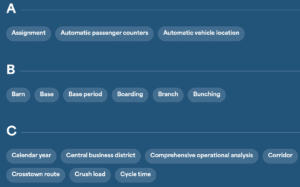
The Ultimate Transit Industry Glossary: Your Go-To Source for Industry Terms
In the world of public transit, understanding industry language is critical. Whether you’re evaluating new technology, reading procurement documents, or coordinating with vendors, transit acronyms and technical terms are everywhere. That’s why we built the ETA Glossary—a helpful resource to support transit professionals like you to quickly decode industry jargon.
Building Transit Technology and Trust with John Maglio (Replay)
In this replay episode of Stop Requested, Levi McCollum and Christian Londono talk with John Maglio, Founder and CEO of ETA, about building transit technology and trust over the long term. John explains how disciplined growth, reliability, and focus shape effective CAD/AVL systems, and why trust is earned through follow-through rather than features. The conversation covers leadership and company culture, what separates vendors from true partners, how agencies can approach RFPs more clearly, and why long-term thinking leads to better outcomes for riders, agencies, and technology providers alike.
ETA Announces Launch of New Rider Mobile App
ETA is proud to announce the upcoming launch of its new public transit rider mobile app, built to improve real-time bus tracking, stop searchability, and overall transit system navigation.
Inside 2024 APTA Transform and the Power of Customer Experience
In this episode of Stop Requested, Christian shares insights from the APTA Transform conference in Anaheim, giving Levi a peek into the highlights and energy of the event. From packed expo halls to exclusive sessions on customer experience, Christian recounts key moments, including ETA’s sponsorship of a session featuring top transit leaders and a conversation on prioritizing the customer experience at every level. Tune in as they explore the value of networking, the unique perspectives gained on the vendor and agency sides, and the experiences that make conferences essential in the transit industry.
What It Takes to Lead a Transit Agency with Frank White III
In this episode of Stop Requested, Levi McCollum and Christian Londono talk with Frank White III, former CEO of the Kansas City Area Transportation Authority and founder and managing partner of Praxis Advisors Group. Frank reflects on leading KCATA through workforce shortages, funding pressures, regional coordination, and the return of fares after years of fare-free service. The conversation explores why transit leaders have to get the basics right before pursuing bigger ambitions, how data and transparency can help navigate difficult decisions, and why transit agencies should have a seat at the table in economic development and regional planning. Frank also discusses the realities of the transit CEO role, KCATA’s work in transit-oriented development, and how he is applying those lessons through Praxis Advisors Group.
Reflecting on 2024’s Top Transit Stories
In this episode of Stop Requested, Christian Londono and Levi McCollum kick off 2025 by reflecting on the top 10 transit stories of 2024, as highlighted by Mass Transit magazine. From Penn Station’s capacity challenges to tackling wildcatting in San Diego, they explore major milestones, key trends, and what these stories mean for the future of public transportation. Plus, they give shoutouts to 2024’s 40 Under 40 honorees, celebrating the rising stars shaping the industry.
How ABQ RIDE is Delivering Better Customer Experience with Robert Romero
In this episode of Stop Requested, Levi McCollum and Christian Londono talk with Robert Romero, Transit Manager at ABQ RIDE, as part of a four part series on transit in Albuquerque. Robert oversees Sun Van paratransit service and ABQ RIDE Connect, bringing a customer experience driven approach to operations. The conversation explores how ABQ RIDE transformed its call center from a reservations and complaints function into a reservations and education center, using feedback from riders to drive operational changes. Robert also shares how his background in the private sector shaped improvements in wait times, customer satisfaction, and employee engagement. The episode also covers the rollout of new technology, including RideCo, and how it improved on time performance, reduced complaints, and gave riders more visibility into their trips. Robert discusses the role of communication, community engagement, and taking calculated risks to deliver better service for riders who depend on it most.
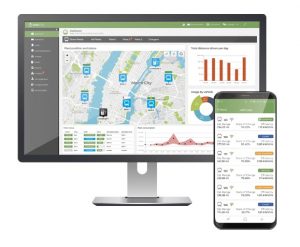
How Long Does It Take to Deploy a New CAD/AVL System?
In the past, deploying a new Computer-Aided Dispatch/Automatic Vehicle Location (CAD/AVL) system could take many months or even years. Today, however, modern technologies and advanced implementation techniques have dramatically shortened deployment times, allowing for faster and more efficient system installations.
From Bus Operator to General Superintendent with Miami-Dade’s Schneider St. Preux
In this episode of Stop Requested, Levi McCollum and Christian Londono talk with Schneider St. Preux, General Superintendent of Bus Operations at Miami-Dade County DTPW. Schneider began his career as a bus operator and now oversees one of the largest bus fleets in the United States. The conversation covers launching a fully electric BRT corridor from an operations perspective, training operators on new vehicle technology and double-sided boarding, bus rodeos, and Miami-Dade’s approach to electrification and safety innovation. Schneider also shares lessons from Leadership APTA and reflects on why frontline operators have one of the hardest jobs in transit.
Building Transit Technology and Trust with John Maglio
In this episode of Stop Requested, Levi McCollum and Christian Londono talk with John Maglio, Founder and CEO of ETA, about building transit technology and trust over the long term. John explains how disciplined growth, reliability, and focus shape effective CAD/AVL systems, and why trust is earned through follow-through rather than features. The conversation covers leadership and company culture, what separates vendors from true partners, how agencies can approach RFPs more clearly, and why long-term thinking leads to better outcomes for riders, agencies, and technology providers alike.
Balancing Transit Service and Community Needs During the Holiday Season
In this episode of Stop Requested, Christian and Levi discuss the complexities of providing transit services during the holiday season. They explore the challenges agencies face, such as fluctuating ridership, detours, and staffing constraints, as well as the critical role of technology like CAD/AVL systems and GTFS real-time feeds in ensuring smooth operations. Drawing on personal experiences and industry insights, they share strategies for tailoring service levels, piloting new offerings, and effectively communicating with riders. Tune in to discover how transit agencies can balance community needs with operational demands to deliver seamless holiday service.
Bridging Transit Planning and Operations in Miami-Dade with Linda Morris
In this episode of Stop Requested, Levi McCollum and Cristian Londono kick off a new series focused on Miami-Dade County with Linda Morris, Chief of Service Planning and Scheduling at Miami-Dade County. Linda oversees service planning across bus, rail, and Metromover in one of the most complex transit environments in the country. The conversation covers launching Metro Express BRT, coordinating service across dozens of municipalities, modernizing scheduling tools, and improving reliability in a large and growing region. Linda also reflects on her experience at AC Transit, including managing major capacity projects and implementing double decker buses, and how those lessons shaped her approach to service planning in South Florida.
Moving Austin Beyond the Commute with Dottie Watkins
In this episode of Stop Requested, Levi McCollum and Christian Londono talk with Dottie Watkins, President and CEO of CapMetro in Austin, Texas. Dottie began at CapMetro as a part-time bus operator more than three decades ago and now leads the agency through a period of service expansion and long-term investment. The conversation explores how changing travel patterns are reshaping Austin’s transit network, from more local and crosstown service to new Rapid bus routes. Dottie also discusses Transit Plan 2035, Project Connect, supporting frontline employees, and balancing today’s service with the work of building a stronger regional transit system for the future.
How Manteca Transit Champions Community Involvement with Public Works Manager – Transit, Juan Portillo
In this episode of Stop Requested, hosts Levi McCollum and Christian Londono welcome Juan Portillo, Public Works Manager Transit at the City of Manteca, to share his inspiring journey and reveal the human side of public transportation. Discover how on‑time performance, innovative route planning, and genuine community engagement transform transit from a mere service into a lifeline that connects seniors, youth, and families while paving the way for a brighter future. Tune in for a fresh perspective on building a transit system that truly serves its community.

Unveiling the Truth: Why You Need ALL Customer References in Your CAD/AVL RFP
Customer references can make or break a transit agency’s choice for a Computer-Aided Dispatch (CAD) and Automatic Vehicle Location (AVL) system. These complex systems influence everything from service efficiency to rider satisfaction. Sifting through stacks of Request for Proposal (RFP) documents can be daunting, and agencies often think a handful of references will suffice. This blog post reveals why it’s crucial for transit agencies to request all of the vendors’ references, not just the standard three.
From Transit Advocacy to Real-World Action with Carter Lavin
In this follow-up episode of Stop Requested, Levi McCollum and Christian Londono welcome back Carter Lavin, author of If You Want to Win, You’ve Got to Fight. Carter reflects on the response to the book since its release and digs deeper into what effective transit advocacy really looks like in practice. The conversation covers inside and outside collaboration, common mistakes agencies make when engaging advocates, the importance of having a clear ask, and why advocacy is ultimately a team sport. It’s a practical discussion for transit professionals, advocates, and anyone trying to turn good ideas into real-world change. Pick up a copy of Carter’s book here: https://a.co/d/io7mqpv
Top Moments from the 2025 TTA State Conference and Expo
In this episode of Stop Requested, Levi and Christian recap the Texas Transit Association Conference, Expo, and Roadeo held in McAllen, Texas. Christian shares firsthand insights on the event’s highlights, from industry-leading sessions and vendor showcases to the competitive energy of the roadeo. They also discuss the role of APC certification in 2025, the power of networking at transit conferences, and a surprising fact about McAllen that might just put it on your travel list. Tune in for a full breakdown of one of the year’s most engaging state transit conferences!
Leading Rail Safety Through Collaboration with Jolene Molitoris
In this episode of Stop Requested, John Maglio, Levi McCollum and Christian Londono talk with Jolene Molitoris, former Administrator of the Federal Railroad Administration and former Director of the Ohio Department of Transportation. As the first woman to lead the FRA, Jolene shares how her career grew from Ohio rail advocacy to national transportation leadership. The conversation explores rail safety, collaborative rulemaking, the creation of the Railroad Safety Advisory Committee, and why lasting progress in transportation depends on teamwork across government, labor, industry, and the private sector.
Agencies Roll Out TransitGPT™ as ETA Advances TransitOS™ Architecture
Boca Raton, FL – September 3, 2026 – ETA today announced that several transit agencies are rolling out TransitGPT™, its conversational AI application designed to help transit professionals ask questions across connected agency data in plain language.
SPOT™ roars onto Auburn’s Tiger Transit system
Boca Raton, FL. January 8, 2024. Auburn University recently made a substantial upgrade to its Tiger Transit campus transportation technology. Its competitive bid award to ETA for its SPOT™ intelligent transit system (ITS) brings a slew of new features to riders designed to improve communication and vehicle arrival information to help students plan their travel to and from campus.
Building Transit Networks That Reflect Community Values with Ricky Angueira, Principal at Jarrett Walker & Associates
In this episode of Stop Requested, hosts Levi McCollum and Christian Londono sit down with Ricky Angueira, Principal at Jarrett Walker & Associates, to discuss the ridership versus coverage framework that’s changing how cities think about transit planning. From his background studying civil engineering in Puerto Rico to urban planning in Spain, Ricky shares his approach to full network redesigns in cities from Miami to Des Moines. Learn why successful transit planning starts with community values, not just data. Ricky explains why there’s no “one right answer” when designing transit networks—the choice between maximizing ridership or providing broad coverage depends entirely on what communities want to achieve. He walks through real examples from Knoxville, St. Pete, and Miami, showing how proper public engagement can unite regions around shared transit goals. The conversation covers the role of microtransit as a coverage tool, the importance of scalable transit plans during budget challenges, and why transparent community conversations are essential for successful network redesigns. Ricky also discusses emerging trends in travel patterns and offers practical advice for agencies considering system redesigns.
Ace Your Transit Agency’s 2025 APC Recertification with Tally
In this episode of Stop Requested, Levi and Christian dive deep into the significance of Automatic Passenger Counting (APC) technology for public transit agencies. They explore the crucial 2025 APC recertification deadline set by the FTA, outlining why agencies need to prepare now and the operational advantages of APC certification. The hosts also introduce ETA’s latest innovation, a powerful tool designed to simplify the APC data collection process, saving agencies time and resources while ensuring compliance with NTD reporting requirements.
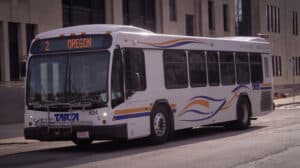
TARTA Transforms Transit Operations with ETA’s Integrated System
TARTA partners with ETA to streamline communication, improve efficiency, and deliver a more reliable transit experience for Lucas County riders.
Balancing the Art and Science of Transit Planning with Brian McCollom
In this episode of Stop Requested, Levi McCollum and Christian Londono talk with Brian McCollom, a transit management consultant with more than 50 years of experience in planning, operations, performance management, and the National Transit Database. Brian shares why good transit planning requires more than technical skill, combining data and standards with judgment, observation, and a clear understanding of the market a service is meant to serve. The conversation explores how planners can make better use of limited resources, what performance audits reveal beyond the headline metrics, and why getting out into the field still matters. Brian also discusses service costing, fare policy, NTD reporting, and the value of learning from operators, maintenance teams, riders, and peers across the industry.
QLine Completes Implementation of ETA Technology to Enhance Operations and Rider Experience
Boca Raton, FL. September 17, 2025. QLine has completed the implementation of ETAs’ Automatic Vehicle Location (AVL), Automatic Voice Announcements (AVA), and Automatic Passenger Counting (APC) technologies across its fleet of six modern streetcars serving the Woodward Corridor in Downtown Detroit.
Sunny Isles Beach Transforms Public Transit with ETA
Boca Raton, FL. February 1, 2026. Sunny Isles Beach is launching a modernized public transit system powered by ETA, bringing advanced operational and passenger-facing technology to the City’s fleet.
Is Ridership the Gold Standard for Transit Success?
Ridership numbers often dominate transit discussions, but should they be the ultimate measure of success? Levi and Christian unpack the pros and cons, exploring how accessibility, service quality, and community impact factor in. Is a packed bus always a sign of a great system, or is there more to consider? Tune in for a thought-provoking conversation on what truly makes public transit effective.
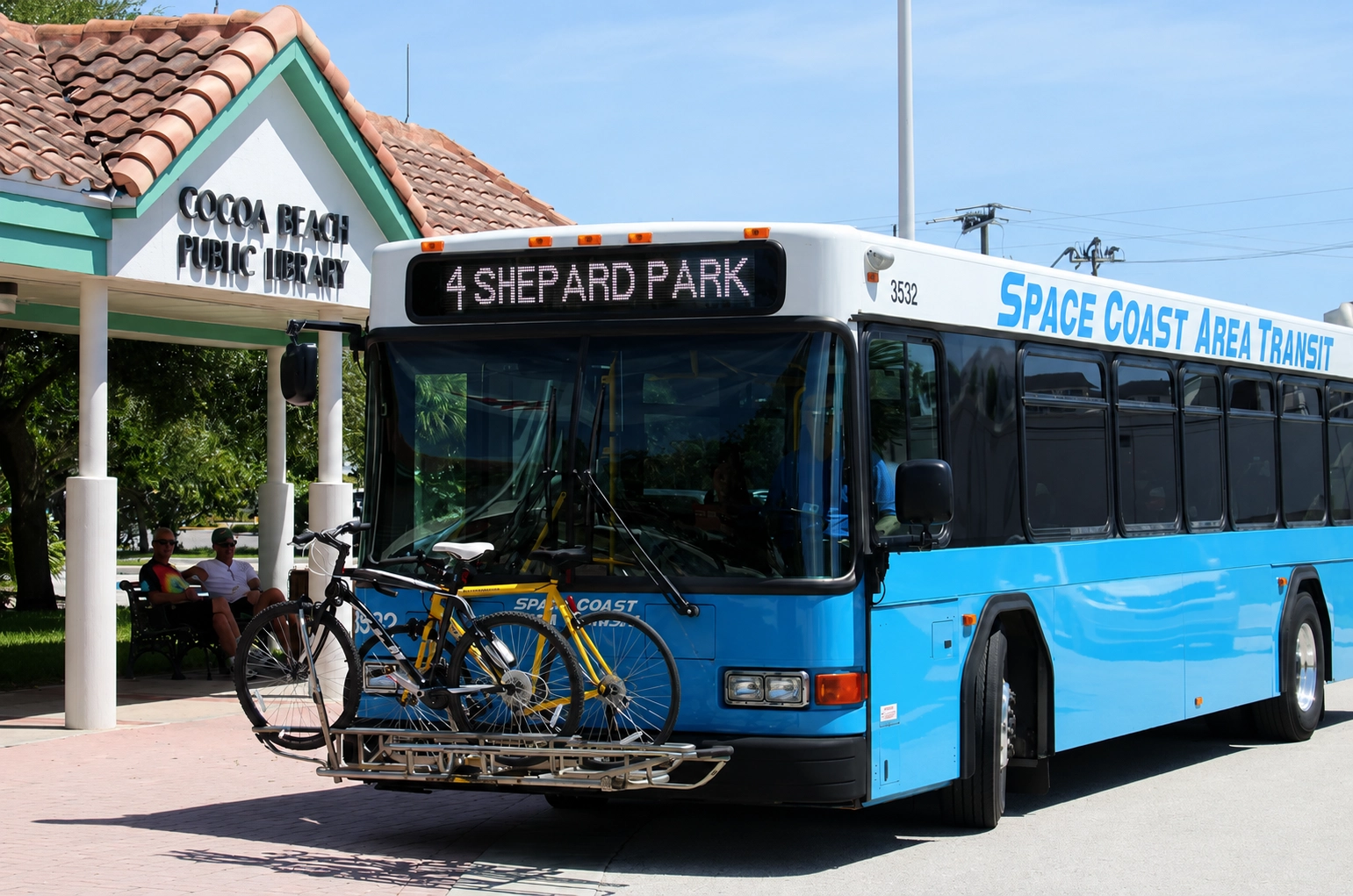
Space Coast Area Transit Certifies APCs with ETA’s Tally Solution
Space Coast Area Transit achieved automated FTA-compliant ridership reporting, streamlining operations and unlocking new funding opportunities with Tally.

Are you ready to erase paper inspections?
One of the more popular feature requests we receive for our SPOT™ ITS platform is digital pre-and post-trip inspection, also known as driver vehicle inspection reports (DVIR). It certainly seems that transit operators are eager to transition from manual or paper processes to connected digital logging and report solutions. Historically trip inspection involves four things: A driver A clipboard A pre-printed paper form A pencil or pen It’s a wonderfully simple process: a driver walks around a vehicle, looking for signs of damage, maintenance concerns, or any number of issues mandated by transit management. He documents his findings and turns the form over to a supervisor for followup. There are concerns, of course. A driver, late to start his route, may not give the inspection process the time it requires (pencil-whipping) and will miss some important safety items. An administrative assistant may not notice that she transposed some numbers when she use the inspection report to create a work order for the maintenance team. The documents themselves are easily lost or subject to the perils of office life, like spilled coffee or misfiling. And let’s not get started with how poor handwriting can impact an inspection report. These are among the many issues that digital inspection aims to solve: Eliminate transcription errors Minimize “pencil whipped” inspections Improve the ability of the maintenance teams to manage repairs and engage in proactive maintenance Improve vehicle safety Eliminate the expense of printing/reprinting maintenance forms Automatic notifications to maintence or fleet supervisors of potential issues The move from manual processes to digital inspections isn’t a concern among transit operations. They welcome it and all the benefits it brings to their agency. The software for implementing these inspections exists and is transit-tested. Making the switch to digital Deciding to make the switch is the easy part, now comes the hard part—which DVIR technology to choose? And this can be tricky because due to the current limitations of transit technology, there are some nuanced approaches to solving the trip inspection question. On the surface, it would seem obvious that every inspection solution would involve a portable device that a driver or maintenance team member would use to log the inspection. In truth, when ETA began exploring the creation of a DVIR solution, that’s exactly where we started—with a removable mobile data terminal (MDT). We quickly found out that a removable MDT ran into connectivity issues. No matter how securely that MDT was mounted on the bus or shuttle, the act of removing and reseating the device wore down the pin connector and charging cables over time. In just a matter of months, the removable MDT option became unusable and could no longer be counted on to provide data to the ITS or charge reliably. What about Qi chargers you ask? We explored that as well and found very few transit-tested ruggedized wireless charging options—an example of where the technology hasn’t matured to the point where its ready for prime time mass transportation. We explored a mounted MDT solution as well. This approach solved the communication and power issues, however it introduced other drawbacks to the solution. Inspections took longer, accuracy suffered, it was impossible to take photos of areas of concern, and drivers became more likely to “pencil whip” through the process which negated any benefit as a solution for safety or maintenance issues. We also took a deep dive into Bluetooth™ technology to see if strategically places switches on the vehicle would present drivers with a simpler inspection tool—each button would represent an inspection item. If an item was okay, set the switch to “yes,” if there was an issue, select “no.” It was an interesting approach, but lacked the detail necessary for meaningful followup by maintenance teams. Limitations of accurate Bluetooth™ communication over distance also proved a challenging obstacle to overcome. Our journey forced us to take a step back and consider the factors that would influence the choice of DVIR solutions—not from a place of technology, but of real-world considerations. Understanding what a driver or maintenance team needed was a more important driver of choice than conquering the limitations of technology. We identified the following factors that are critical to address before a trip inspection is implemented: Device security: Do they store the inspection device in the vehicle or secure them elsewhere? Can they afford to replace trip inspection devices if they are damaged or stolen? How long is the replacement cycle for damaged or stolen devices? Data management: How will they manage the data collected? Will this data import require additional software development? What is the criticality of this data to other areas of the operation? Are there costs associated with processing and storing data? How long is data stored/accessible? Driver safety: Is there room on the vehicle to install the device? Would installation block driver access to other vehicle systems? Will installation obscure driver view of the road, doors, exits, etc.? Technology adoption: Is the solution easy to use? Does the solution present a significant learning curve for drivers, dispatchers, and maintenance teams? What will be the level of resistance toward the adoption of this feature? How might the system be exploited or subverted? Have all parties been consulted and included in the decision-making process? Our recommended solution Our path to DVIR discovery let us to a path that we hadn’t originally considered—the use of a rugged smartphone to handle inspections. The solution checks all the boxes: Puts an affordable portable device in the hands of drivers to log potential issues Protects data collection integrity by keeping MDTs secure and locked down Requires very little real estate within the driver cockpit to install a charging dock (or can reside in a driver’s pocket) Delivers hours of battery life Provides a secure platform from which to operate and allows the same device to be used elsewhere—such as VoIP It’s a simple, yet elegant solution that simplifies trip inspection and improves the safety and reliability of a transit fleet. It’s a solution that we our are proud to introduce to the market. If you’d like to learn more, please visit etatransit.com/pre-trip-inspection or call a member of our sales team at (800) 382-0917. Closing thoughts A pre-trip inspection solution can provide numerous advantages to transit operation and contribute to the overall safety and reliability of the fleet. Sometimes there is a gap between what software can do and the availability of hardware to support it. Nowhere is this more evident than the current state of driver vehicle inspection technology. Still, a transit agency may have to weigh the adoption of a DVIR solution against potential shortcomings that may not lead to a “right-fit” adoption. Our advice is to speak with your ITS provider and solicit outside vendors to take full stock of your available options before making that transition from paper to digital inspection. Once you find that ideal blend of technology and features, you’ll be amazed at how much your fleet will benefit from cost savings, reliability, and performance.
ETA drives its SPOT™ CAD/AVL system into Richland County
Boca Raton, FL. March 28, 2024. Richland County Transit (RCT), operator of the Mansfield, Ohio public bus system, has awarded a contract to ETAs, a leading provider of intelligent transportation systems (ITS) solutions. The contract includes a comprehensive Computer-Aided Dispatch/Automated Vehicle Location (CAD/AVL) system

Next-generation route management expands options for efficiency.
By Matt Schroeder Director of Marketing, ETAs As a marketer, I’m constantly exposed to new and interesting facts. Did you know that a transit agency on average spends between two and six months researching new routes? Or how about this one: 44 percent of dispatchers spend at least 30 minutes inputting route changes into the system (30 percent require more than one hour to complete the task). Or this: 69 percent of agencies make seasonal changes to their routes. Or perhaps this little nugget of awesomeness: Only 49 percent of agencies use the data collected from their operations to inform their route changes. I look at this information and the story it tells me is that route planning and management takes up a lot of time. It makes sense that over the past few years, we’ve seen a flurry of new ideas and solutions hit the market with the specific purpose to simplify, streamline, and improve route creation. Most of these solutions are straightforward WYSIWYG (What You See Is What You Get) route editors. Click on a map to add a stop, then another, then another. Click save and essentially, you’re done. All the GPS locations of these stops are saved in a database and uploaded to various software and hardware systems. Boom. Done. And on the surface, that’s exactly how the process should perform. But the last fact listed is the one to really focus on—only 49 percent of agencies use the data collected from their operations—to inform route changes or creation. Less than half. Ouch. Transit agencies invest hundreds of thousands—sometimes millions—of dollars into equipping their vehicles with equipment that gathers data about every facet of their operations. From driver behavior, to passenger counts, to stop performance, to automated performance creation. Millions upon millions of data points collected every day. Yet less than half of agencies make use of this information. 81 percent of transit agencies cite improving operational efficiency as their primary reason for making route changes … …but half are doing it with one arm tied behind their backs by not utilizing all the data and resources that is readily available. And there lies the potential for next evolution of route management systems. Currently WYSIWYG editors are in vogue because they’re a huge step up from the prior solution of manually entering in GPS coordinates one-by-one into a table or editor in order to define a route. No real visual component. Just rows and rows of numbers. Do it correctly and you have a route. Transpose a number or two and your 3:30 pm route ends up in Tibet. Next-generation route management tools will incorporate artificial intelligence (AI); smart systems that proactively scan and analyze route performance and create recommendations for improvements. Believe me, that future isn’t very far off. Think about the benefits available with these new systems: Route changes become greatly simplified and faster to implement Service additions or changes become easier to sell to governing bodies/boards because they’re backed up by data Drivers can be held accountable in greater measure for running routes correctly Route analysis takes in all factors, from time of day to passenger load to traffic and weather conditions Less time is spent on debating routes, and more time is freed up to improve passenger experience, expand business operations, and train drivers to minimize churn A key component to the implementation of any route management system is the inclusion of the General Transit Feed Specification (GTFS). Now, GTFS has been around since 2006 and its adoption is growing. As of 2017, 73.3 percent of transit agencies use GTFS, but our 2019 survey revealed that just under 39 percent of agencies fail to share this information. By not sharing this information, transit agencies are quite literally missing the bus. The sharing of GTFS data becomes a critical component in creating local, regional, and national multimodal transportation networks. Route data shouldn’t be proprietary, there’s no reason for it. A driving principle behind public transit is to help people make connections; to get from A to B in the most efficient means possible. GTFS is the gateway to making this happen. Using GTFS technology, a rider should be able to step on a bus, make a connection to a train, that helps him arrive at an airport in time to make his flight. GTFS data allows software to ingest this information and help plan trips in whatever manner is most appropriate for the user. Think about the possibilities that are created when GTFS data meets the AI in next-gen route management systems. We’re looking at the potential to deliver far reaching impacts at every stop of every journey. Less pollution. Less traffic. Shorter travel time. Improved financial performance. Rest assured, these new route management systems are closer to reality than you think, and in our view, they’ll be worth the investment. What features in next-generation route management systems are on your wish list? What impact would this type of solution have on your operations?

Why Transit Agencies Are Switching Their Legacy CAD/AVL Providers
Transit agencies aren’t just looking for new software—they’re looking for stability, transparency, and a partner that understands the realities of running a public transportation system. Too often, legacy CAD/AVL vendors sell a product and disappear until it’s time for renewal. Agencies are left dealing with downtime, unreliable hardware, and limited visibility into what’s really happening on the street.
AI Roundtable, Part 2: Cybersecurity, Trust and AI in Transit
In the second installment of Stop Requested’s AI Roundtable series, ETA CEO John Maglio joins hosts Levi McCollum and Christian Londono, along with Eric Hilton and Zach Vinduska of North Highland, to discuss what AI adoption means for cybersecurity, data privacy, and trust inside transit agencies.
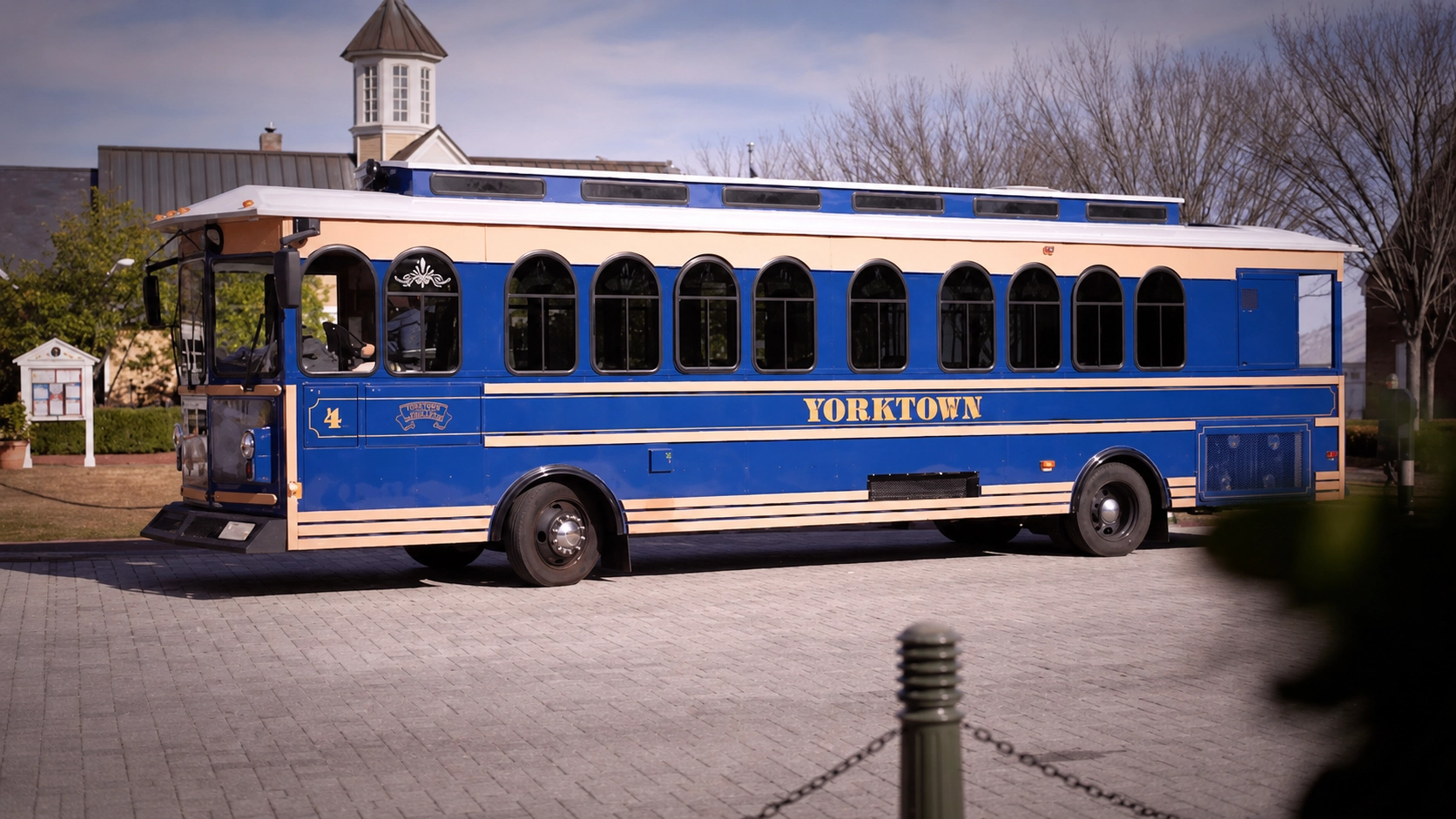
City of Yorktown, Virginia Small System, Big Vision: How Yorktown Keeps Raising the Bar
The City of Yorktown operates a trolley service at the intersection of public transit and tourism. Visitors rely on the trolley to move between designated parking areas and Yorktown’s historic waterfront district, making dependability and real-time communication essential, not optional.
ETA Marks 3-Year Milestone with Onboard Infotainment System Deployment for Valley Regional Transit in Boise, Idaho
Boca Raton, FL. January 9, 2024. ETA, a trailblazing provider of innovative transit solutions, proudly announces the successful deployment of its state-of-the-art onboard infotainment system for Valley Regional Transit in Boise, Idaho. This achievement signifies a major advancement in elevating the passenger experience and ushering in a new era of intelligent transit technology.
Networking, Innovation, and Recognition at 2024 FPTA Annual Conference
In the premier episode of Stop Requested, Christian and Levi reflect on their experience at the Florida Public Transportation Association (FPTA) conference, held from September 22-24 in West Palm Beach. They explore the value of networking with industry professionals, discovering the latest transit innovations, and celebrating outstanding achievements through industry awards. Listen in as they share key takeaways from conversations with vendors, including discussions on cybersecurity for transit agencies, and the importance of connecting with peers to drive the future of public transportation.

Make Every Rider Count: Smarter Automated Passenger Counter Solutions with ETA & Xovis
We hear it all the time from transit leaders: We have APCs, but we can’t trust the counts.”
Passion Drives Progress at PSTA with Planning Manager, Jacob Labutka
What happens when a childhood love for maps and city-building games grows into a career transforming public transit? In this episode of Stop Requested, hosts Levi McCollum and Christian Londono sit down with Jacob Labutka, Planning Manager at the Pinellas Suncoast Transit Authority (PSTA). Jacob shares his journey from sketching imaginary cities as a kid to leading one of Florida’s most ambitious bus network redesigns. Tune in as Jacob discusses the launch of PSTA’s Connected Community Bus Network, a comprehensive overhaul designed to make routes more direct, frequent, and accessible for all of Pinellas County. Learn how community engagement, data-driven planning, and a relentless passion for transit are fueling improvements like the SunRunner Bus Rapid Transit and PSTA’s pioneering work in fleet electrification. Jacob also reveals the keys to winning competitive grants and the inspiration that keeps him moving forward in the ever-evolving world of public transportation.
ETA chosen to implement transit CAD/AVL project for Bettendorf and Davenport, IA
Boca Raton, FL. July 26, 2023. ETAs, a leading provider of CAD/AVL systems, won the contract to deliver a Transit Computer-Aided Dispatch and Automatic Vehicle Location (CAD/AVL) project for the cities of Bettendorf and Davenport, Iowa. ETAs was chosen based on its extensive experience in successfully delivering similar projects across the United States.

Has your transit agency embraced digital communications?
You know that shiny new Intelligent Transit System (ITS) your agency just invested hundreds of thousands of dollars to deploy? Well, odds are, you’ve only scratched the surface of one the most powerful and impactful features—its digital communication capabilities. We’re talking automatic voice announcements, automatic stop announcements, and passenger information display system—the whole shebang. Digital communications, in its simplest terms, is the means of quickly transferring data from one place to another though the use of a technological medium—cellular, Wi-Fi, networking, hard drive, etc. When an agency upgrades to a CAD/AVL system, it does so with the aim of collecting the data regarding vehicle speed and location and transmitting it to centralized source such as a web server, which then applies an algorithm that calculates the arrival time of the vehicle in relation to its next stop. This information is then automatically transferred to the agency and the rider via a communication platform such as a website or smartphone application. Voila! The agency has just communicated digitally. But what else can one do with this information beyond simple transfer and calculation of arrival times? As it turns out, a lot more can be done. An effective digital communication strategy using key features such as automatic voice announcements, automatic stop announcements and a passenger information display system can leverage your Intelligent Transit System (ITS) to impact the entirety of an agency’s operations, including: Streamline operations: A properly equipped ITS includes the capabilities to automatically transmit updated information to any number of connected sources, ranging from the agency website, social media pages, station signage, and more. Reduce error: Rather than individually update the many communication platforms an agency might use to inform its riders, drivers, and employees, use ITS to automatically transmit the same information to all desired systems. This ensures that all affected parties have access to the same information and eliminates input errors. This includes riders, who would greatly benefit from digital communication features like automatic voice announcements and automatic stop announcements. Engage riders with rich content: Perhaps the most interesting application of digital communication is the ability to leverage the passenger information display system as a means of generating additional revenue and entertain passengers. Generate playlists with local advertisements, points-of-interest, weather reports, system updates, and more. This content can be triggered by any number of events, ranging from simple triggers such as arriving at a stop, to more specific instances like a specific GPS coordinate or time of day. Content via the passenger information display system is a great way to keep passengers informed and offers the opportunity to realize a new revenue stream. But are digital communication capabilities critical to an agency’s operations? As it turns out, yes. Per a 2016 survey conducted by ETAs, only half of transit agencies incorporate a digital platform—such as a mobile website or smartphone app—as part of their rider communication strategy[1]. A related survey indicated that only 15.79% of riders utilized traditional means, such as printed schedules or station signage, to inform their travel itinerary[2]. Further bolstering these observations is a 2015 Pew Research Center study that revealed that 68% of all adults in the United States currently use a smartphone—up from 35% in 2011[3]. What those statistics reveal is that there is a rapid, widespread adoption of technology among the population. When one considers that 83.5% of surveyed agencies utilize paper schedules as a component of their rider communication efforts1 yet only 10.53% of riders utilize printed schedules,2 it becomes apparent that there exists a significant disconnect between the way agencies are communicating critical rider information, and the methods by which passengers prefer to receive this data. The means of accessing and assimilating information through technology is changing quickly, and transit agencies are at the risk of falling behind and alienating potential customers. Digital communication capabilities — in the form of automatic voice announcements, automatic stop announcements and passenger information display system to name a few — provides transit operators with a means to bridge that gap and re-connect with passengers by providing a wealth of informational, educational, and entertainment content that will help improve customer satisfaction, improve operational performance, and boost the ever important bottom line. [1] ETAs Agency Survey, 2016 [2] ETA Rider Attitude Survey, 2016 [3] Pew Research Center, 2015
The Need for Rugged Transit-Grade Computers in Harsh Transit Environments
Introduction All-in-one tablets are unreliable and unsuitable for public transit applications. Instead, transit agencies must consider investing in transit-grade computers to record and display mission-critical information. Functioning onboard digital devices are essential to: improve operating efficiencies. automate NTD data collection. and enhance the rider experience. Though consumer-grade tablets and all-in-one Mobile Data Terminals (MDTs) with built-in touchscreen displays have become popular choices for transit agencies, these devices are not durable enough for harsh transit environments. In fact, 8 out of 10 transit agencies interviewed in 2023 have cited unreliable hardware as their primary challenge. Malfunctioning hardware is unacceptable for modern transit systems. In this blog, we will explore the reasons why tablets do not work for transit applications and discuss the advantages of using transit-grade computers with separate touchscreen MDTs. Consumer-grade tablets and all-in-one computers are designed for everyday use, but they fall short in the demanding conditions of transit environments. There are a few key reasons for this: Unreliable: Consumer-grade devices are not built to withstand the continuous vibrations, extreme temperatures, and harsh conditions common in public transportation systems. Over time, these factors lead to system failures and downtime. Consequently, agencies grow extremely frustrated with missed onboard announcements, loss of APC data, inaccurate NTD reporting data, and irritated riders due to incorrect bus arrival predictions. Unprotected: Transit agencies need to ensure the security of their systems and data. All-in-one solutions that combine processing and the touchscreen display are installed in exposed locations since the bus operator needs to interact with the system. This placement is more susceptible to theft and tampering, causing decreased system reliability and increased service disruptions. Upkeep: When these all-in-one devices fail during revenue service, it is inconvenient, time-consuming, and costly for transit agencies to manage. In this era of staffing shortages, transit agencies cannot afford to spend their time troubleshooting malfunctioning equipment as essential as MDTs. The Benefits of transit-grade computers with separate touch screen devices To address these challenges, transit agencies should consider using transit-grade computers with separate MDTs that do not have any processing responsibilities or complex operating systems. This design offers several advantages: Durability: Transit-grade computers are specifically designed to withstand the harsh conditions of transit environments. They are built with dependable connectors and housed in protective enclosures, ensuring reliability and longevity. Simple, functionally limited MDTs provide the bus operator with an intuitive driver interface and touch screen to interact with the system but do not impact bus operation or data collection. Security: By separating the touch screen display from the computer, a “dumb” terminal eliminates the risk of system failure or theft affecting the entire system. If the touch screen is damaged or stolen, the system can continue to operate without disruption. Simplified Maintenance: With a “dumb” terminal, updates and maintenance are managed centrally, reducing the burden on transit agencies and ensuring consistent performance across all devices. Cost-effectiveness: While the initial investment in transit-grade computers and touch screen MDTs may be higher than consumer-grade devices, the long-term benefits of reduced maintenance, increased reliability, and improved security make them a more cost-effective solution. Conclusion As transit agencies continue to embrace technology to enhance their operations, it is crucial to select devices that can withstand the harsh environments they will encounter. Consumer-grade tablets and all-in-one computers may seem like an appealing choice, but they are ultimately unsuitable for the demands of public transportation systems. Eventually, the bargain all-in-one solution will cost the transit agency unexpected time and money. By investing in transit-grade computers and touch screen MDTs, transit agencies can ensure the reliability, security, and longevity of their systems, ultimately providing a better experience for both operators and passengers.
Looking for a specific type of resource?

Blog
ETA created content on topics of interest across the transit industry. Expert insight, opinion pieces, and the latest in transit innovation.

Podcast
Conversations with the foremost experts across the transit industry to discuss lessons learned, technological innovation, community needs, and so much more.

Case Studies
See the results ETA’s clients have received through replacing legacy CAD/AVL systems, installing new functionality, and doing it all without full hardware replacements.

Press
New awarded contracts and the launch of innovative technologies are just the start of the latest ETA news.

Glossary
From general transit feed specification (GTFS) to ghost bus, the ETA curated glossary is a reference to better understand industry terminology.
Ready to see our Unified Operational Health software on your routes?
Whether your agency is modernizing an existing system, improving rider information, strengthening reporting, or working through a more connected operational approach, ETA can help make the next step clearer.