
Blogs, news, case studies, templates, podcasts and more; all right at your fingertips. Browse our comprehensive transit resources database to find information your agency needs to improve operations, grow your knowledge base, and expand your understanding of the industry at-large.
Turning Transit Wifi Into Agency Revenue Streams with Kajeet’s Ben Turner, Sr. Business Development Executive
In this episode recorded live from Transport Ticketing North America 2025, hosts Levi McCollum and Christian Londono speak with Ben Turner, Senior Business Development Executive at Kajeet, about how secure IoT connectivity is creating new revenue opportunities for transit agencies. Ben explains Kajeet’s role as an MVNO providing managed connectivity solutions and walks through their successful Long Beach Transit pilot featuring passenger wifi, digital signage, and programmatic advertising. Learn how agencies can capture rider email addresses through captive portals and turn that data into targeted advertising revenue while maintaining secure, filtered internet access. The conversation covers Kajeet’s Sentinel platform, which gives agencies a single dashboard to manage multiple carrier connections, implement content filtering, and monitor data usage across their fleet. Ben shares survey results showing passenger wifi ranks as riders’ top request and discusses how agencies can balance open internet access with safety concerns through robust content controls. Discover how transit agencies are moving beyond basic connectivity to create data-driven revenue streams while providing the seamless, free wifi experience riders expect in 2025.
ETA helps Coral Gables Trolley improve rider experience
Boca Raton, FL. July 26, 2023. ETA is pleased to announce that its longtime transit partner, the City of Coral Gables, FL has added automatic passenger counting (APC) and onboard Wi-Fi Internet access to its fleet of trolleys.
Is Ridership the Gold Standard for Transit Success?
Ridership numbers often dominate transit discussions, but should they be the ultimate measure of success? Levi and Christian unpack the pros and cons, exploring how accessibility, service quality, and community impact factor in. Is a packed bus always a sign of a great system, or is there more to consider? Tune in for a thought-provoking conversation on what truly makes public transit effective.
How Long Does It Take to Deploy a New CAD/AVL System?
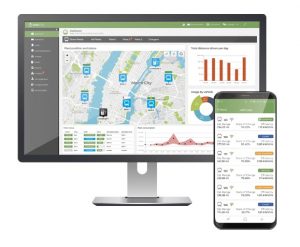
In the past, deploying a new Computer-Aided Dispatch/Automatic Vehicle Location (CAD/AVL) system could take many months or even years. Today, however, modern technologies and advanced implementation techniques have dramatically shortened deployment times, allowing for faster and more efficient system installations.
ETA chosen to implement transit CAD/AVL project for Bettendorf and Davenport, IA
Boca Raton, FL. July 26, 2023. ETAs, a leading provider of CAD/AVL systems, won the contract to deliver a Transit Computer-Aided Dispatch and Automatic Vehicle Location (CAD/AVL) project for the cities of Bettendorf and Davenport, Iowa. ETAs was chosen based on its extensive experience in successfully delivering similar projects across the United States.
AI and the Future of Public Transit with Stephen Kuban
In this episode of Stop Requested, Levi McCollum and Christian Londono talk with Stephen Kuban, President and CEO of Kuban Transit Solutions, about how AI is actively changing the way transit agencies plan, decide, and operate. Stephen explains why AI is more than automation, how it supports better strategic thinking, and how agencies can use it to do more with limited resources while staying focused on outcomes. Stephen also shares how he is working directly with transit agencies through hands-on AI workshops and advisory programs, helping leaders move from experimentation to real-world application. Listeners interested in learning more about his AI pilot program and upcoming engagements can visit: https://kubantransit.com/ai-pilot
Why It Costs So Much to Build Rail Transit in the USA with Dr. Eric Goldwyn
In this episode of Stop Requested, Levi McCollum and Christian Londono talk with Eric Goldwyn, professor at NYU and director of the Transportation and Land Use program at NYU Marron. Eric shares what the Transit Costs Project has learned by comparing nearly a thousand transit infrastructure projects around the world.

Navigating the Transit Revolution: Part V—The Future
As technology continues its rapid advancement, the future of GTFS development is marked by a commitment to addressing real-world challenges and embracing emerging innovations. Recent contributions and pull requests to the GTFS repository demonstrate an ongoing effort to refine and enhance the specification.
Mass Transit Magazine Editor-in-Chief, Megan Perrero, on the Power of Transit Storytelling (Replay)
This week, Stop Requested replays our conversation with Megan Perrero, Editor-in-Chief of Mass Transit Magazine. Levi McCollum and Christian Londono revisit a discussion about how transit stories are reported and how coverage shapes agency credibility and rider understanding. Megan reflects on how her experience as a daily Chicago rider informed her journalism, the role of trade publications in the industry, and why transparency and clear communication matter for public buy-in. The episode also covers sector trends, the 40 Under 40 program, and advice for new journalists. If you missed it the first time, this episode offers a useful perspective on the connection between media, messaging, and public transit.
Stop Hunting for Buses. Start Running Your Yard.
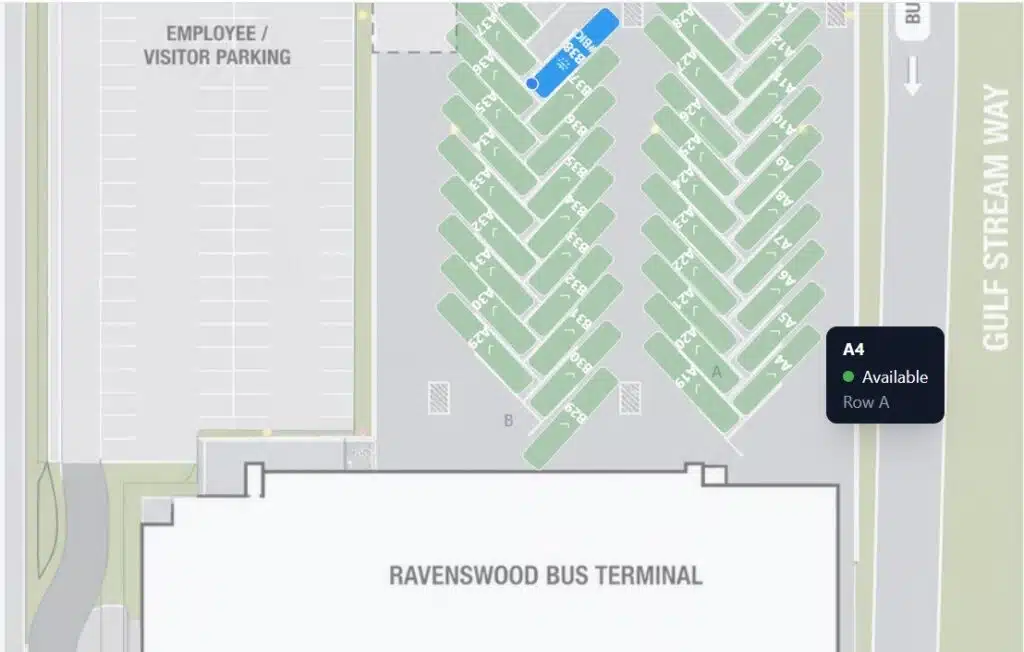
Every transit agency knows the drill. It’s 5:45 AM. Pull-out starts in fifteen minutes. A dispatcher is on the radio asking where Bus 412 is parked. A utility worker is walking the lot with a flashlight. Maintenance thinks it’s in the back row. Nobody’s sure.
Mountain Line Selects ETAs to Replace Legacy Platform with Full CAD/AVL Suite
Boca Raton, FL. April 16, 2026. Mountain Line, Missoula’s public transit system, has selected ETAs to replace its legacy CAD/AVL solution with ETA’s cloud based Intelligent Transportation System platform. The deployment will equip all 30 fixed-route buses with a fully integrated suite, including CAD/AVL, Mobile Data Terminals (MDTs), Automatic Passenger Counting (APC), Onboard Announcements (OBA/AVA), passenger infotainment screens, and Digital Pre-Trip Inspection (DVIR), giving operators a complete view of fleet operations while improving the rider experience across Missoula
ETA completes 34 bus CAD/AVL project with University of Southern California in just three weeks
Boca Raton, FL. August 15, 2023. ETA, a leading provider of advanced transit technology solutions, is thrilled to announce that it has been awarded a CAD/AVL project with the esteemed University of Southern California (USC).
Sunny Isles Beach Transforms Public Transit with ETA
Boca Raton, FL. February 1, 2026. Sunny Isles Beach is launching a modernized public transit system powered by ETA, bringing advanced operational and passenger-facing technology to the City’s fleet.
Managing America’s Largest Paratransit Contract with Lou Ferri, General Manager at Transdev for RTC Las Vegas
In this episode of Stop Requested, hosts Levi McCollum and Christian Londono speak with Lou Ferri, General Manager at Transdev leading paratransit operations for RTC Las Vegas, about his remarkable 25-year journey in paratransit services. Lou shares how he transitioned from working at a gym to discovering his passion for paratransit through a chance encounter with Palm Tran’s executive director. Learn about the operational complexities of managing America’s largest single paratransit contract, completing over 6,000 scheduled trips daily with 445 vehicles across Las Vegas. The conversation explores the unique challenges of paratransit operations, from eligibility processes to rider demographics, and how Las Vegas differs from Palm Beach County. Lou shares powerful stories about serving riders with disabilities, including visually impaired individuals who’ve found independence and community through accessible transportation. Discover insights on leadership, the importance of treating people as human beings, and Lou’s advice for emerging transit professionals: expect the unexpected, ask questions, and find your “why.”

Are your APCs ‘down’ for the count?
Maximize the efficiency of your automatic passenger counters for NTD certification-worthy results. By Matt Schroeder Director of Marketing, ETAs I am going to dispel a myth for your right off the bat. The FTA (Federal Transit Association) does not provide certifications for APC hardware. Never have, never will. Anyone that tells you that their brand of APCs has been certified is straight-up lying. It’s amazing to us just how many transit operators are under the misconception that there are specific brands of APC hardware blessed with a governmental seal of approval. APC suppliers may provide you with a process for certifying the counts generated by your automatic passenger counters, but that’s it. Certification of counts is a whole different beast. In general, the certification process entails two things: An APC benchmarking plan for the first year An APC maintenance plan for every three years You can read all about it here: NTD Policy Reporting Manual What defines a benchmarking plan? Benchmarking requires validation for unlinked passenger trips (UPT), and passenger miles traveled (PMT) data against a manual sample to prove the APC system’s accuracy. The process for reconciling this data includes: For agencies with fewer than 30 vehicles, the sample size must include at least 15 trips on APC-equipped vehicles. For agencies with 30 or more vehicles, the criteria changes to the larger of 15 trips or half the number of APC-equipped vehicles (up to 50 trips). In both instances, the trips do not need to be randomly selected and may spread over a year. We recommend that these samples include times of heavy ridership and the inclusion of at least one trip per vehicle type and APC model. A description of the agency’s APC systems and sampling procedures is also required. Should a trip be excluded or rejected from a provided sample, an explanation is required. Also to be included is documentation that accounts for the percentage of trips made that do not have valid APC data due to equipment malfunction, data corruption, failed verification checks, or any other reason. For manual counts that use data collection staff or onboard cameras, the FTA strongly recommends a data collector at each door during heavily loaded trips. It is appropriate to process APC data to correct for anomalies, just as it is reasonable to adjust for reporter data during the collection process. The goal is to compare manual and automatic counts to demonstrate equivalency or that any differences are justifiable. PMT calculations should utilize the same set of distances for all analyses. Should any differences exist (i.e., interstop), an explanation must be included with the provided data. Acceptable deviations in data are less than five percent for: Difference between manual vs. APC UPT counts Difference between manual vs. APC PMT counts If a transit agency uses APCs for both directly operated and purchased transportation services, a requirement for separate samples of each type of service exists. Verifying counts Automatic counting hardware is exceptionally precise, with most manufacturers boasting 95 to 98 percent accuracy. Despite this precision, errors can creep into the system, which is why the FTA does not certify the hardware itself. Simply put, nothing is going to deliver optimal accuracy out of the box. Configuration, tweaking, and adjustments are typical to account for environmental variables unique to every transit operation. The process of verifying your counts is quite simple. Option 1: Manual counts Your agency can have an employee ride every route and take manual counts to compare to those generated by the APC. This process quite literally involves a person with a clipboard taking note of who boards and alights at every stop, the pencil and paper method. Option 2:Digital counts If a vehicle has a mobile data terminal (MDT), the driver can use a built-in digital passenger counter to log passenger boardings and alightings. The data automatically uploads to the intelligent transit system for future review. Of the two, we recommend the MDT-based approach. It’s less prone to data entry errors, and the information is easily reviewable in any reporting or analytics software for side-by-side comparison against the APC-generated counts. Adjusting counts Once the necessary amount of historical count data is collected, you will work with your transit technology provider to develop a reporting algorithm that accounts for recurring variations in the information. This final step refines the configuration of your APC and subsequent analysis and allows for the consistent benchmarking required by the FTA for certification. It also serves as a diagnostic resource to evaluate the consistent performance of your hardware; a sharp increase or drop-off in counts could be an indication of a hardware error or mounting issue. Final words Adding automatic passenger counters is a great way to reduce manual processes and gather the critical data you need to understand passenger travel behavior. The process is not straightforward and requires a few essential steps to ensure that the counts you collect provide your agency with the reliable counts you need to make informed decisions and submit accurate reports to the National Transportation Database (NTD). It is essential to understand that the hardware is not certified by the FTA but rather the methodology for collecting, analyzing, and reporting the data that receive certification. This process takes time, but when working with a reliable transit technology provider, your new APCs will provide trustworthy information you can use to make informed operational decisions for years to come.


Stony Brook University Transit Runs Smarter with ETA
Stony Brook University has partnered with ETA to modernize its bustling campus shuttle network with CAD/AVL real-time tracking, automated passenger counters, and enhanced rider communication—all while preserving valuable infrastructure investments.

Tale of Two Surveys: Understanding APC Certification and APTL Survey Part 2
Accurate data collection is critical for transit agencies, especially when reporting to the National Transit Database (NTD). One essential measure is the Average Passenger Trip Length (APTL), which helps agencies calculate the distance passengers travel on average for each unlinked trip. Reporting APTL is a key part of ensuring compliance and maximizing funding from the Federal Transit Administration (FTA).
Looking Back on 2025 Through 40 Conversations Advancing Transit
Join us for a reflective episode of Stop Requested, as we revisit our journey through 2025, our first full year as podcast hosts. Co-hosts Levi McCollum and Christian Londono delve into their favorite moments and standout guests, discussing over 40 captivating interviews that shaped the podcast. From conversations about community involvement in public transit to innovative technologies like zero-emission solutions and the significance of mental health for frontline workers, we explore the evolving landscape of the transit industry. As we set our sights on 2026, we share our goals for weekly episodes and exciting plans to record on transit vehicles. Tune in to celebrate the progress made and anticipate future insights in the world of transit.
Addressing Transit Insecurity and Its Impact on Communities
In this episode of Stop Requested, Christian and Levi focus on the issue of transit insecurity, examining how unreliable transportation impacts individuals and communities. Inspired by a recent Mass Transit Magazine article and national studies, they discuss challenges like poverty, access to opportunities, and the trade-offs between ridership and coverage. The conversation highlights innovative solutions such as on-demand systems, improved frequency, and increased public transit investment to create more equitable and accessible transportation networks. Join the discussion on how transit shapes lives and communities.
Matching Transit Service to Real Needs with Hunter Abel
In this episode of Stop Requested, Levi McCollum and Christian Londono talk with Hunter Abel, Project Manager and Transit Lead at Modern Mobility Partners. Hunter shares how his experience at LeeTran, MARTA, and now in consulting has shaped the way he approaches transit planning and project delivery. The conversation explores why plans often stall between planning and implementation, how agencies can define clearer goals, and why public input should focus on how people actually travel rather than which mode looks most appealing. Hunter also discusses data, tradeoffs, post-COVID service changes, and the value consultants can bring when agencies need additional capacity or a fresh perspective.

Are you ready to erase paper inspections?
One of the more popular feature requests we receive for our SPOT™ ITS platform is digital pre-and post-trip inspection, also known as driver vehicle inspection reports (DVIR). It certainly seems that transit operators are eager to transition from manual or paper processes to connected digital logging and report solutions. Historically trip inspection involves four things: A driver A clipboard A pre-printed paper form A pencil or pen It’s a wonderfully simple process: a driver walks around a vehicle, looking for signs of damage, maintenance concerns, or any number of issues mandated by transit management. He documents his findings and turns the form over to a supervisor for followup. There are concerns, of course. A driver, late to start his route, may not give the inspection process the time it requires (pencil-whipping) and will miss some important safety items. An administrative assistant may not notice that she transposed some numbers when she use the inspection report to create a work order for the maintenance team. The documents themselves are easily lost or subject to the perils of office life, like spilled coffee or misfiling. And let’s not get started with how poor handwriting can impact an inspection report. These are among the many issues that digital inspection aims to solve: Eliminate transcription errors Minimize “pencil whipped” inspections Improve the ability of the maintenance teams to manage repairs and engage in proactive maintenance Improve vehicle safety Eliminate the expense of printing/reprinting maintenance forms Automatic notifications to maintence or fleet supervisors of potential issues The move from manual processes to digital inspections isn’t a concern among transit operations. They welcome it and all the benefits it brings to their agency. The software for implementing these inspections exists and is transit-tested. Making the switch to digital Deciding to make the switch is the easy part, now comes the hard part—which DVIR technology to choose? And this can be tricky because due to the current limitations of transit technology, there are some nuanced approaches to solving the trip inspection question. On the surface, it would seem obvious that every inspection solution would involve a portable device that a driver or maintenance team member would use to log the inspection. In truth, when ETA began exploring the creation of a DVIR solution, that’s exactly where we started—with a removable mobile data terminal (MDT). We quickly found out that a removable MDT ran into connectivity issues. No matter how securely that MDT was mounted on the bus or shuttle, the act of removing and reseating the device wore down the pin connector and charging cables over time. In just a matter of months, the removable MDT option became unusable and could no longer be counted on to provide data to the ITS or charge reliably. What about Qi chargers you ask? We explored that as well and found very few transit-tested ruggedized wireless charging options—an example of where the technology hasn’t matured to the point where its ready for prime time mass transportation. We explored a mounted MDT solution as well. This approach solved the communication and power issues, however it introduced other drawbacks to the solution. Inspections took longer, accuracy suffered, it was impossible to take photos of areas of concern, and drivers became more likely to “pencil whip” through the process which negated any benefit as a solution for safety or maintenance issues. We also took a deep dive into Bluetooth™ technology to see if strategically places switches on the vehicle would present drivers with a simpler inspection tool—each button would represent an inspection item. If an item was okay, set the switch to “yes,” if there was an issue, select “no.” It was an interesting approach, but lacked the detail necessary for meaningful followup by maintenance teams. Limitations of accurate Bluetooth™ communication over distance also proved a challenging obstacle to overcome. Our journey forced us to take a step back and consider the factors that would influence the choice of DVIR solutions—not from a place of technology, but of real-world considerations. Understanding what a driver or maintenance team needed was a more important driver of choice than conquering the limitations of technology. We identified the following factors that are critical to address before a trip inspection is implemented: Device security: Do they store the inspection device in the vehicle or secure them elsewhere? Can they afford to replace trip inspection devices if they are damaged or stolen? How long is the replacement cycle for damaged or stolen devices? Data management: How will they manage the data collected? Will this data import require additional software development? What is the criticality of this data to other areas of the operation? Are there costs associated with processing and storing data? How long is data stored/accessible? Driver safety: Is there room on the vehicle to install the device? Would installation block driver access to other vehicle systems? Will installation obscure driver view of the road, doors, exits, etc.? Technology adoption: Is the solution easy to use? Does the solution present a significant learning curve for drivers, dispatchers, and maintenance teams? What will be the level of resistance toward the adoption of this feature? How might the system be exploited or subverted? Have all parties been consulted and included in the decision-making process? Our recommended solution Our path to DVIR discovery let us to a path that we hadn’t originally considered—the use of a rugged smartphone to handle inspections. The solution checks all the boxes: Puts an affordable portable device in the hands of drivers to log potential issues Protects data collection integrity by keeping MDTs secure and locked down Requires very little real estate within the driver cockpit to install a charging dock (or can reside in a driver’s pocket) Delivers hours of battery life Provides a secure platform from which to operate and allows the same device to be used elsewhere—such as VoIP It’s a simple, yet elegant solution that simplifies trip inspection and improves the safety and reliability of a transit fleet. It’s a solution that we our are proud to introduce to the market. If you’d like to learn more, please visit etatransit.com/pre-trip-inspection or call a member of our sales team at (800) 382-0917. Closing thoughts A pre-trip inspection solution can provide numerous advantages to transit operation and contribute to the overall safety and reliability of the fleet. Sometimes there is a gap between what software can do and the availability of hardware to support it. Nowhere is this more evident than the current state of driver vehicle inspection technology. Still, a transit agency may have to weigh the adoption of a DVIR solution against potential shortcomings that may not lead to a “right-fit” adoption. Our advice is to speak with your ITS provider and solicit outside vendors to take full stock of your available options before making that transition from paper to digital inspection. Once you find that ideal blend of technology and features, you’ll be amazed at how much your fleet will benefit from cost savings, reliability, and performance.
CapMetro’s Road to Electrification with Zero Emissions Director, David Carr (Replay)
David Carr, Director of Zero Emissions Bus Programs at CapMetro, shares how Austin’s transit agency is driving toward a fully zero-emission fleet. Hear about the rollout of battery-electric buses, the groundbreaking solar-powered charging infrastructure, and the real-world challenges of electrifying public transit-from workforce training to integrating new technologies. Get an inside look at one of the nation’s most ambitious sustainable transit transformations and what it means for the future of Austin’s mobility.
Building Transit Networks That Reflect Community Values with Ricky Angueira, Principal at Jarrett Walker & Associates (Replay)
This week on Stop Requested, we are revisiting a standout conversation from our archive with Ricky Angueira, Principal at Jarrett Walker & Associates. Hosts Levi McCollum and Christian Londono return to this episode to re-air their discussion on the ridership versus coverage framework that continues to shape how cities think about transit planning. Originally recorded earlier in the show’s run, this conversation traces Ricky’s path from studying civil engineering in Puerto Rico to urban planning in Spain, and into leading full network redesigns in cities ranging from Miami to Des Moines. Ricky explains why successful transit planning starts with community values, not just data, and why there is no single right answer when designing a transit network. Drawing on real examples from Knoxville, St. Pete, and Miami, Ricky shows how effective public engagement helps regions align around shared transit goals. The episode also explores microtransit as a coverage tool, the importance of scalable plans during budget constraints, and why transparent conversations with communities are essential to successful network redesigns. If you missed this episode the first time or want a refresher on one of the most influential frameworks in modern transit planning, this re-release is worth another listen.

E-paper displays are ready for prime-time transit
New sign technology is poised to remake transit stop communication
ETA Completes CAD/AVL Deployment with Enterprise Detroit
Boca Raton, FL. April 1, 2026. ETA, a leading provider of innovative transit technology solutions, is pleased to announce the successful deployment of its SPOT® CAD/AVL platform in partnership with Enterprise Detroit.
Using Transit Swag to Build Brand Loyalty and Advocacy
In this episode of Stop Requested, Christian Londono and Levi McCollum explore how transit agencies are turning swag into powerful tools for branding, engagement, and creating community pride. They discuss the value of collectible transit merchandise, share their favorite swag stories, and uncover how these items build deeper connections with riders and fans alike.
Insights from the NCPTA State Conference Amid Federal Transit Funding Uncertainty
Join hosts Levi McCollum and Christian Londono on Stop Requested as they unpack the biggest takeaways from the North Carolina Public Transportation Association conference. From expert insights on the shifting landscape of federal funding and policy to the latest innovations in training and technology, this episode dives deep into the challenges and opportunities facing transit agencies today. Christian shares firsthand experiences from the conference floor, highlighting the importance of advocacy, the impact of competitive and formula grants, and how agencies can prepare for the future as major infrastructure bills approach their sunset.
Building Transit Technology and Trust with John Maglio
In this episode of Stop Requested, Levi McCollum and Christian Londono talk with John Maglio, Founder and CEO of ETA, about building transit technology and trust over the long term. John explains how disciplined growth, reliability, and focus shape effective CAD/AVL systems, and why trust is earned through follow-through rather than features. The conversation covers leadership and company culture, what separates vendors from true partners, how agencies can approach RFPs more clearly, and why long-term thinking leads to better outcomes for riders, agencies, and technology providers alike.
ETA Partners with Transdev to Improve Transit Technology at Texas State University
Boca Raton, FL. May 29, 2026. ETA announced today a new partnership with Transdev to bring its intelligent transit technology suite to Texas State University (TXST). Working alongside Transdev, the operator of TXST’s campus transit service, ETA will deliver CAD/AVL technology, rider information tools, onboard announcements, and integrated passenger counting capabilities across the university’s 49-bus fleet. Service is expected to launch in August 2026.
Former CUTR Sr. Research Associate & Industry Pioneer, Dr. Xuehao Chu, Reveals How He Transformed Transit Data Collection
In this episode of Stop Requested, hosts Levi McCollum and Christian Londono speak with Dr. Xuehao Chu, former CUTR Senior Research Associate, about how he revolutionized National Transit Database reporting and potentially saved transit agencies millions. Dr. Chu explains how he discovered critical flaws in FTA’s universal sampling plans that forced agencies to over-sample while others remained statistically non-compliant. Learn about his development of the customized sampling manual now used nationwide and how his research transformed federal policy. The conversation covers the evolution from manual sampling to APC certification, clarifying when qualified statisticians are needed and debunking common misconceptions. Dr. Chu discusses data cleansing challenges, the importance of tracking operated versus scheduled trips, and practical advice for agencies navigating NTD compliance. Discover how one researcher’s statistical expertise transformed an entire industry’s approach to data collection.
Shaping Accessible Transit Systems with ADA Leader David Rishel
Levi and Christian are joined by David Rishel, former Executive Director of Pennsylvania’s CATA and Principal of Delta Services Group, to unpack a career spent shaping accessible transit from the ground up. David recounts launching New Jersey Transit’s statewide ADA paratransit network in the early 1990s, what it took to forecast demand and build eligibility systems when the rules were brand new, and how those decisions still echo today. The conversation dives into the real-world complexity of paratransit operations, the promise and pitfalls of co-mingling microtransit with ADA service, and why fixed-route accessibility and rider education must lead the way. David closes with a grounded look at where ADA mobility is headed next, including on-demand services, evolving software expectations, and the long-term impact of emerging technology.
How Bold Transit Agencies Redefine the Future
In this episode of Stop Requested, Levi and Christian explore the dynamic world of transit technology and what sets innovative public transit agencies apart. They discuss key factors such as budget, risk, and system integration that influence whether agencies become early adopters of cutting-edge solutions. The episode also covers various technological advancements, from Automated Fare Collection to Fleet Management Systems, and the challenges agencies face in balancing innovation with practical constraints. Join the hosts as they kick off a conversation on the future of transit.

Navigating the Transit Revolution: Part III—A New Standard in Transit
Transit operators require their scheduling and operational systems to seamlessly work together. This synergy is most effectively attained through the adoption of open standards. Although GTFS has proven highly successful as an open standard, its primary purpose is to disseminate information to transit passengers, which means it lacks vital elements essential for transit providers.
Modernizing TARTA’s Legacy Systems with Lucas Boehm, IT Director
In this episode of Stop Requested we sit down with Lucas Boehm, IT Director at the Toledo Area Regional Transit Authority (TARTA). Lucas shares his journey from subcontractor to IT Director and offers a behind-the-scenes look at TARTA’s digital transformation over the past five years. Lucas emphasizes the importance of purposeful technology deployment, cross-departmental collaboration, and involving frontline staff. The episode provides valuable insights for transit professionals navigating modernization and digital infrastructure upgrades.
Leading a Transit Agency with Passion with TARTA’s CEO Laura Koprowski
In this episode of Stop Requested, Levi McCollum and Christian Londono talk with Laura Koprowski, CEO of the Toledo Area Regional Transit Authority (TARTA). Laura shares her path into the transit industry, from communications and government relations to leading a regional transit system serving communities across northwest Ohio. The conversation covers leadership in public transportation, the importance of mentorship and professional development, and how passion for the work can shape a career in transit. Laura also discusses TARTA’s system redesign, expansion of microtransit service, and how data and technology are helping guide decisions as the agency works to improve mobility across the region.
Binghamton University Celebrates Over a Decade with ETA: A Longtime Partnership Powering a Student-Led System
Boca Raton, FL. August 15, 2025. At Binghamton University in upstate New York, a student-run bus system is delivering professional-grade transit service to thousands of students every day and it’s all made possible by a longtime partner, ETAs.
How Miami-Dade Keeps Evolving the Rider Experience with Doug Bermudez
In the final episode of their Miami-Dade series, Levi McCollum and Christian Londono talk with Doug Bermudez, Chief of the EASY Card Fare Programs and Customer Experience Division at Miami-Dade County Transportation and Public Works. Doug shares how his path from frontline customer service and marketing led to overseeing the fare programs, contact center, and rider communications that shape how people experience the system. The conversation explores Miami-Dade’s evolution from paper transfers and smart cards to contactless payments, fare capping, third-party apps, and account-based ticketing. Doug also discusses why technology only works when it removes friction for riders, how agencies can use feedback to find gaps, and what it takes to prepare a regional transit system for the World Cup.
Inside 2024 APTA Transform and the Power of Customer Experience
In this episode of Stop Requested, Christian shares insights from the APTA Transform conference in Anaheim, giving Levi a peek into the highlights and energy of the event. From packed expo halls to exclusive sessions on customer experience, Christian recounts key moments, including ETA’s sponsorship of a session featuring top transit leaders and a conversation on prioritizing the customer experience at every level. Tune in as they explore the value of networking, the unique perspectives gained on the vendor and agency sides, and the experiences that make conferences essential in the transit industry.
ETA Celebrates Lead Product Owner J. Levi McCollum’s Inclusion in Mass Transit Magazine’s 40 Under 40 List
Boca Raton, FL. August 25, 2023. ETA, a leading provider of CAD/AVL transit technology solutions, is proud to announce that J. Levi McCollum, the company’s Lead Product Owner, has been recognized in Mass Transit magazine’s esteemed 40 Under 40 list. This prestigious accolade celebrates young individuals making significant contributions in the public transit industry.
How Cincinnati Metro Turned Crisis into Comeback with Steve Anderson, Sr. Director of Development and Innovation (Replay)
After years of declining ridership, service cuts, and aging infrastructure, Cincinnati Metro found itself in a classic “death spiral.” But thanks to bold leadership, a game-changing public vote, and a relentless focus on the rider experience, the agency has staged an inspiring turnaround. In this replay of Stop Requested, hosts Levi McCollum and Christian Londono sit down with Steve Anderson, Senior Director of Development and Innovation at SORTA, to unpack the story behind this remarkable comeback. Steve shares his personal journey—from sketching imaginary cities as a kid to leading transformative transit projects in Cincinnati and beyond. Discover how Metro overcame decades of underinvestment, leveraged new funding, and launched ambitious initiatives like Metro Rapid, a cutting-edge Bus Rapid Transit (BRT) system designed for speed, comfort, and local character. Hear how the agency is rethinking station design, collaborating with neighborhoods, and making data-driven decisions to deliver a rider-first experience. Learn how Cincinnati Metro is building a future-focused transit system that’s reshaping mobility and revitalizing the city for the next generation.

Greenville Area Transit (GREAT) Improves Accuracy and Rider Experience with ETA
Greenville Area Transit (GREAT) has partnered with ETA to bring modern tracking, automated passenger counts, and ADA-compliant announcements to its citywide bus system, providing accurate data for federal reporting and a smoother ride for passengers.
How Palm Tran Drives Ridership Growth with Planning Director, Yash Nagal (Replay)
We’re bringing back one of our most insightful episodes of Stop Requested! Hosts Levi McCollum and Christian Londono sit down with their very first guest, Yash Nagal, Director of Transit Planning at Palm Tran. In this conversation, we explore the nationwide rise in transit ridership, dive into innovative approaches like Palm Tran’s Buslink program, and discuss how service frequency and system integration can reshape public transportation. Yash offers expert insights on aligning services with community needs, the impact of land use, and the power of storytelling in advocating for better transit.
TARTA and ETA Recognized with Metro Magazine’s Innovative Solutions Award
Boca Raton, FL. August 21, 2025. The Toledo Area Regional Transit Authority (TARTA) has been named a recipient of Metro Magazine’s Innovative Solutions Award for its collaboration with ETA on a project that dramatically improved communications and operational efficiency.
Advancing Transit Safety with TSI Video’s Harry White
In this episode of Stop Requested, hosts Levi McCollum and Christian Londono sit down with Harry White, Senior Strategic Sales Executive at TSI Video and board member of both the Florida and Georgia Transit Associations. Harry shares his journey from law enforcement technology into public transit, the critical role of onboard video surveillance in safety and accountability, and why partnerships and trust matter just as much as hardware and software. From protecting frontline operators to enabling agencies to act with confidence in critical moments, Harry highlights how video technology is shaping the future of safer, more reliable transit.

What factors influence customer satisfaction?
Communication, not technology, determines the satisfaction with transit systems It is a rarity in the mass transit technology market when we strike up a conversation with a potential customer, and they sing the praises of their current ITS vendor. Let me say it another way—transit operators aren’t happy with their tech partners. According to our annual transit agency surveys, more than two-thirds are less than thrilled. The oddest part of this conversation is just how seldom their complaints don’t center on the technology itself but rather the quality of the after-sales support they receive—or lack thereof. You read that right; their issues are seldom with the product. The technology, for the most part, works fine. It’s the relationship with their vendor that has them pursuing new systems. So, what have transit operators so chaffed with the quality of their support? In general, the complaints we here typically fall into one of the following three categories: Responsiveness Time to resolution Frequency of interaction It’s a shame when the reason for severing a relationship and introducing tumult to their operations, staff, and riders has nothing to do with the performance of the technology itself. After all, technology IS supposed to highlight the vendor/client relationship. Right? Right? What are the elements of a quality support experience? Just as the technology on vehicles is a science, so is the art of supporting the client and product. ITS systems are complicated, with many moving parts, including hardware, software, configuration, and data components. As rigorously tested as these systems are, one errant setting or faulty component can kick off an intensive troubleshooting effort to narrow down the cause. So how does one turn complexity into a recipe for success? —A spirit of partnership The first consideration we address is that both vendor and customer must dedicate themselves to the support process. It’s a two-way street, and the client needs to understand their role in the performance of their technology; this includes: Performing routine maintenance Providing detailed information for troubleshooting Being proactive and vocal about the issues they experience Without that level of client-side participation, the support process can drag out far longer than anticipated and lead to frustration on both sides. Similarly, the vendor must actively support their product, providing routine progress updates, delivering on all promises made, and keeping their customers well-educated and informed. When something goes wrong, customers want to know that their concern has been addressed. They don’t want to submit a support request or question only to have days or weeks pass before any sort of reply is received—or worse yet, no response at all. Both sides must understand that the ownership experience requires that they join at the hip, with each entity supporting the other in as diligent and thorough a manner as possible. —Training and education ITS systems, like ETA’s SPOT™ platform, are complex. Though much of the intricacy takes place behind the scenes and is never exposed directly to the customer, the need for formalized and ritual training is essential. Too often, the only training that a customer receives is at the launch of a new transit system. As the system evolves or employees transition to new opportunities, a gap between what was and what is forms, and the relevancy of that initial instruction become less relevant. Vendors must bake supplemental education into every technology deployment, including identifying the right cadence for “booster” training or situational instruction for new hires or when new features join the ITS solution. An online, self-service database is helpful for self-guided learning, and a guided program must be part of the process to ensure effective instruction. An additional consideration is to ensure that the training focuses on the systems relevant to the individual role or group function. To train the entire staff of a transit operation is pure folly if one expects employees to be able to identify which information is critical to the performance of their jobs. It’s normal for people to become inattentive, tired, and distracted when they feel disconnected from the source material. Role-based instruction is hyper-focused, relevant education based on the needs of a specific subset of transit staffers, e.g., drivers, dispatchers, planners, etc. This education approach delivers only the materials needed for that group to perform their tasks effectively. The staff learns high-level concepts about how their role fits into the larger picture and takes a deep dive into the technology and features they will use in their day-to-day tasks. The result is a more relevant, more precise training that encourages participation and retention. —Responsive input and feedback The answer to this question is far more nuanced than one would think. Transit technology—especially software—are complicated. It can take time to research an issue before a solution presents itself. Responsiveness by the client can go a long way to speeding up the process, but it isn’t the only factor. From a client’s standpoint, they want the system to work as designed. The “what and how” of the situation is often of little concern. They are, after all, transportation professionals—not software engineers. A client wants their vendor to be a partner in not only the performance of the system but the success it delivers to their operation. From a vendor standpoint, a responsive customer takes an active interest in providing timely feedback to the original inquiry. Have they performed the troubleshooting steps? Is the information they provide to the original or follow-up communications detailed and complete—or is it highly generalized, like “the mobile data terminal doesn’t work.” Both sides want a timely answer to the questions asked in most cases. It’s an observation that hardly falls within the realm of rocket science, but one that seems to be a common tripping point and trigger for a great deal of angst between agency and supplier. This reality is often the source of a great deal of friction between customer and vendor, which makes responsiveness even more critical to communicating the status of the concern and setting realistic expectations for a resolution. —Frequency of interaction The human factor is an essential and often overlooked aspect of the client/customer relationship. Consider for a moment the procurement process. In the beginning, contact is frequent. Sales representatives are attentive and in constant contact while negotiating the sale. Once signed contracts exist, the communication escalates further as the implementation teams coordinate with agency teams to finalize system design, schedule implementation, and conduct training. Once the vendor turns over the golden keys to the new technology, the vendor turns their attention to the next opportunity, and the shock of silence settles in. The transit operator is left to use the system. Speaking from the vendor viewpoint, this is the natural evolution of procurement. From the customer standpoint, however, the abrupt cessation of activity following the completion of a project can leave agencies feeling adrift; a “you got my money, and now you’re leaving?” situation. It’s not uncommon for technology vendors to see “no news” as “good news” when past projects are concerned. A neglected customer risks becoming an unhappy client, so it is of little surprise that they pursue higher-quality relationships at the contract end. Keeping those relationships strong and proactive with customer communication long after that initial flurry of activity becomes vital. Closing thoughts Providing quality customer service isn’t some uncrackable mystery. It’s rooted in common sense. If you are a client unhappy with your vendor, it’s probably time to pick up that phone and let your vendor know. If you’re a supplier, you had better take that call—or better yet, run through your list of accounts and touch base with those customers you haven’t spoken to in a while. Run through the list of concerns. Clear the air. Compare expectations to performance and set goals for measurement. At some point, both sides were ecstatic about this joint project—and it’s possible to reclaim that excitement. Try again to find common ground where communication becomes the norm; not the exception that only happens when conflict drives the discussion. It changes the tone from “this isn’t working” to “how can we resolve this together.”
How PSTA’s CEO Brad Miller Is Redefining Transit for a Changing Florida
Levi and Christian sit down with Brad Miller, CEO of the Pinellas Suncoast Transit Authority, to trace his journey from growing up around transit in Pennsylvania to shaping some of the most talked about projects in Florida. Brad shares how early lessons on Virginia Railway Express, Charlotte’s multimodal expansion, and a leap to Des Moines prepared him to lead PSTA through the SunRunner BRT, the Clearwater multimodal hub, a full network redesign, and one of the nation’s largest zero emission bus fleets. He explains how ferries, mobility on demand, and paratransit innovation all fit into a tourism heavy region, and why investing in workforce development is central to PSTA’s culture of curiosity and innovation. Along the way, Brad offers candid advice on working with boards, navigating hurricanes and funding pressures, and saying yes to opportunities that can transform a career and a community.

Why Transit Agencies Are Switching Their Legacy CAD/AVL Providers
Transit agencies aren’t just looking for new software—they’re looking for stability, transparency, and a partner that understands the realities of running a public transportation system. Too often, legacy CAD/AVL vendors sell a product and disappear until it’s time for renewal. Agencies are left dealing with downtime, unreliable hardware, and limited visibility into what’s really happening on the street.
Balancing the Art and Science of Transit Planning with Brian McCollom
In this episode of Stop Requested, Levi McCollum and Christian Londono talk with Brian McCollom, a transit management consultant with more than 50 years of experience in planning, operations, performance management, and the National Transit Database. Brian shares why good transit planning requires more than technical skill, combining data and standards with judgment, observation, and a clear understanding of the market a service is meant to serve. The conversation explores how planners can make better use of limited resources, what performance audits reveal beyond the headline metrics, and why getting out into the field still matters. Brian also discusses service costing, fare policy, NTD reporting, and the value of learning from operators, maintenance teams, riders, and peers across the industry.
Valley Regional Transit signs up for ETA’s Infotainment solution
Boca Raton, FL. January 10, 2024. ETAs (ETA), a trailblazing provider of innovative transit solutions, proudly announces the successful deployment of its state-of-the-art onboard infotainment system for Valley Regional Transit in Boise, Idaho. This achievement signifies a major advancement in elevating the passenger experience and ushering in a new era of intelligent transit technology. Valley Regional Transit (VRT) has long been dedicated to delivering efficient and enjoyable public transportation services to the community.
AI Roundtable, Part 2: Cybersecurity, Trust and AI in Transit
In the second installment of Stop Requested’s AI Roundtable series, ETA CEO John Maglio joins hosts Levi McCollum and Christian Londono, along with Eric Hilton and Zach Vinduska of North Highland, to discuss what AI adoption means for cybersecurity, data privacy, and trust inside transit agencies.

Vendor selection: Find that forever friend.
The bond between agency and ITS vendor should last long after the sale. By Matt Schroeder Director of Marketing, ETAs What makes for a good partnership when it comes to vendor selection? I mean, you’re spending hundreds of thousands—maybe millions—of dollars on a new intelligent transit system. You have sales reps from at least a half dozen vendors whispering in your ear about what you should do, what you shouldn’t do, which competing vendor has a poor reputation for service, which provider has unreliable hardware … in the end, it’s a lot of noise that you have to sift through. What benchmarks and criteria do you set for your selection? Now, before we go too far into the woods on this topic, let’s get a few things out of the way first: Every vendor says they excel at customer service. Every vendor says they have next generation technology. Every vendor says they’ll have your back; that they’re in this for the relationship, not the sale. Every vendor says those things—and so does ETA for that matter. We mean it, and I have no doubt our competition means it as well. But in the end, all those promises, all those claims, merely add up to background noise easily forgotten among pages of technical details and product offerings. In the end, you know what agencies most often cite as the deciding factor? Price. And that’s a shame, because there are some truly substantive differences between transit technology providers; differences which can make for a ho-hum addition to your operations, and life-changing, supercharged ‘holy crap can life get any better than this’ miracles. We know this, because it’s our job to research our competition and know their systems and capabilities, just as well as they do. If you’re selecting on price, it’s because you haven’t really done your homework—or your prospective vendors haven’t done an adequate job differentiating their solution from the competition. Either way, both outcomes do a disservice to you and your aspirations for this new technology you’re pursuing. In the spirit of both irony and complete candor, there’s a reason why vendors hype customer service, technology, and relationships as the key differentiators. They’re the areas where you’re going to feel the impact of your ITS purchase the most. So how do you select the right vendor? Step 1: Define your expectation for an ideal vendor partnership Before you really dive into the technical requirements, sit down with your key stakeholders and map out the qualities you want in a potential vendor. No, we’re not talking about the features of the system, but in the staff, culture, and approach to the personal side of business. You define the criteria for how you judge the people you’ll be working with, because in most cases, you’ll be stuck with them for the next 3-5 years. Do they listen to you when you speak, or are they simply waiting to make the next pitch? Do they follow up your messages and questions in a timely fashion, or do you have to chase them down for answers? Do they possess an eye for detail, or do they need reminding of key situational needs? Do you feel a personal rapport with them and look forward to conversations, or do you cringe whenever answering a call or sitting through another webinar? Whatever criteria you’re looking for in a partnership, start with the personal side. If you’re not comfortable in the short run, it’s not going to get any better one, two, or three years down the road. Step 2: Does their reputation live up with their references? References are a tricky thing. When I hire new staff, I seldom ask for references because I know they individuals they provide are certain to give glowing reviews. It’s not rocket science, so don’t take a glowing recommendation from a vendor-provided resource at face value. Instead, see if you can get a full list of their customers—especially those clients who either have long-term relationships with the vendor (customers longer than 5 years), or those who no longer use the vendor. You’ll get the straight scoop from those references. Step 3: Collaboration or dictation? How much effort does a potential vendor put into truly understanding your agency’s situation. Do they ask exploratory questions designed to uncover truth, or leading questions designed to steer you down a specific path? Is the exchange of ideas two-sided? Does the vendor tell you what you need, or do they listen before offering up suggestion and recommendations to better identify all possible solutions? Collaboration is a good method to understand the nature of a future working relationship. Ideally any interaction should be positive, open, and honest; you should walk away feeling energized and optimistic about the future of the procurement. Step 4: Warning signs. There’s a reason why in step 1 we recommended setting expectations. A vendor that fails to meet your non-technology criteria isn’t likely to be a long-term ally when it comes to diving deep into technical application. Look closely at the issues that just don’t align with your expectations for a vendor relationship.When you get into the technology, be sure to ask real questions; hard questions; situational questions. If you’ve done your research, push for answers to any concerns about their reputation and the reliability of their product. See if they give you the straight scoop, or if they try an evade providing a clean reply. Step 6: System offerings. Examine their solution carefully and make sure that the features and capabilities serve to directly address the challenges your agency is looking to solve? Is their system too high-powered? Under-powered? Do you find yourself reassessing and compromising beyond your comfort level? What level of control does their solution provide—can you self-manage most aspects of system performance, or do you have to rely on them for changes you’d rather handle yourself? Short of having unrealistic expectations (e.g. cost vs. features), be sure to take note of how far you’re moving off your desired solution while researching systems. Don’t place all your hopes on personality or bottom-line cost; ultimately, it’s your job and reputation on the line, so make a sound investment based on real issues and solutions. Make the wise call and hold out for the items that really matter. Step 5: Intangibles. These are hard to detail because they vary from client to client. It’s a good thing you set your expectations early on because the intangibles a vendor provides, whether it be personality or responsiveness or product knowledge, will become more apparent as your exploration into your ITS solution advances.Many people like to state that it was logic, reasoning, and research that resulted in a decision, but that’s never 100 percent true. Emotion, or a gut instinct, is often the deciding factor. On paper two technology solutions may line up favorably, but in the end, it will be the intangibles that help you feel confident in your selection. Final thoughts Relationships are the key to any successful endeavor. You must trust the people you work with, and you need feel respected, valued, and part of the solution. Selecting a low-price vendor because of the cost is a terrible way to decide, and more times than not, it’s a choice that leads to greater stress and disappointment. Not necessarily because the technology was inferior, but because the alignment of personality, service, and technology didn’t perfectly align. Make choices based on all available information and with an eye toward the future, because it’s that long-term relationship based on trust and mutual respect that will ultimately deliver results.

Pre-plan your RFP evaluation
Tools to help your RFP to set realistic expectations and deliver a focused review. Over our history, ETA has submitted hundreds of proposals for mass transit technology RFPs. We’ve won some, we’ve lost some, and we’ve seen RFPs pulled without warning. Win, lose, or draw our practice is to reach out to transit agencies and ask for feedback about the RFP—our proposal, where we excelled, where we came up short, and what struggles the agency had during the process. That’s the nature of our industry. This last point serves as the subject for this article; what are the common challenges for proposal evaluation? Our 2018 transit agency survey discovered that comparing offerings was the “biggest source of stress” for those on proposal decision committees, followed by “determining value versus price” and “determining the importance of features.” These are all valid concerns—but easily fixed. The key to solving these issues starts with preparing the RFP itself. The same 2018 survey revealed that “preparation,” “creating technical requirements,” and “determining desired outcomes” were the top three headache-inducing tasks. For the most part, an RFP includes the following components: Cover letter or statement of interest Vendor information Proposed solution Strategy for implementation Warranty & support information Cost proposal Required forms Each section should ultimately contribute to the decision-making process. It’s not uncommon for an evaluation structure included in the RFP which looks something like this: Technical response: 20 points Price: 40 points Vendor qualifications: 20 points Organization of the proposal: 10 points Situational understanding: 10 points And that’s about it in terms of the breakdown and weighting of the proposal response. That’s all a decision committee relies on to score and rank their evaluation. The highest score wins, and to the victor goes the spoils. But what if the evaluation criteria are wrong? What if it’s weighted incorrectly? Why does price weigh more than the solution itself (40% of transit agencies use it as their primary decision factor) than the vendor’s track record (vendor experience is the primary factor for just 11% of transit agencies)? What mechanisms exist in your RFP for establishing value versus performance? Our 2019 survey revealed long-term performance (70.2%) must be part of the evaluation process. That certainly isn’t listed in the standard scoring criteria? Just 52 percent of transit agencies say that the intelligent transit system (ITS) they purchased lived up to expectations in our 2020 agency poll. The picture I’m painting here is that the defined evaluation criteria baked into RFP documentation are inherently flawed; they are not up to the task and are highly subjective. Why do so many agencies value long-term performance, but fail to include any sort of measurement tool within their evaluation structure? Why are nearly half dissatisfied with their ITS purchase? How do we change the evaluation so that it most accurately reflects the needs of the transit agency and delivers on the expected outcomes? Here are a few ideas to consider before you put together your RFP: Pre-proposal polling: Conduct an anonymous internal poll of your transit agency. If possible, include everybody. Everybody is drivers, mechanics, dispatchers, planners, customer support, and administration. Use this effort to discover hidden truths about your agency and potential issues. Look for potential areas of resistance. Find pain points in potential solutions. Include the ability for respondents to rank their answers to gauge priority and level of severity. We recommend Survey Monkey, DooPoll, or even use Microsoft Sharepoint to create your surveys and leverage these tools automatically tally the results. Conduct pre-RFP pricing research: We know that transit agencies (ETA included) keep a tight lid on their pricing structure. It’s a competitive industry, after all, and any advantage helps. This practice doesn’t mean they won’t provide you with ballpark figures for planning purposes. Use this information to A) understand the approximate cost for each component (ITS, APC, AVA, etc.), and B) evaluate cost against the amount of funding you have available. If possible, ask for an estimated ‘per vehicle cost’ to help account for hardware, installation, and recurring fees. This effort will help you set expectations before writing your RFP. It is better to know what you’re asking for and compare it to the final pricing. With this baseline pricing in mind, it will help establish expectations for what your agency cannot afford. It will also help you derive a better sense of value from your proposals. It may even cause you to think about how much weight you place on pricing in the overall evaluation hierarchy. Create a compliance matrix with priority values We’ve written before about the importance of including a compliance matrix as part of your RFP documentation. This approach is an excellent way to get answers about what a proposed system can and cannot deliver. What’s missing from the matrix is a correlation between features and their importance to the final solution. A compliance matrix evens the value across all items but does nothing to tell your evaluation committee how to weigh capabilities against price and competition. Including this information will help the vendor present prioritized solutions based on needs. For example, if your internal survey efforts reveal the following priorities: Cloud-based ITS Route and schedule management NTP reporting Automatic passenger counters Onboard Wi-Fi Then assign value to those features within your matrix (a scale of 1–10, perhaps?). The vendors responding to your proposal will understand what you value the most. They can also construct their proposal to prioritize some aspects over others and deliver more up-front value. A well-constructed spreadsheet may even include auto-calculation to help score each entry in advance. An entry in a compliance matrix theoretically might look like this, where “yes” answers to compliance earn full marks, where “no” responses don’t earn points, and “extra cost” applies a multiplier value to adjust the score to account for additional charges: Provide this spreadsheet as part of the RFP and ask vendors to complete it as part of their submission. Lock and hide those columns, cells, and worksheets from the file submitted to vendors. Reveal those fields after submission to see how a vendor stacks up based on their responses. Include in your calculations weighted penalties for unsupported systems. Proposal creation Now that you are adequately armed with priority preferences by role (via the internal survey), you will have more insight into how each business unit will react to your final choice. Additionally, you’ll have a sense of what you can afford and what systems to prioritize (using the ITS Price Estimator) and, ultimately, a point-by-point accounting of each vendor’s capabilities (courtesy of the weighted compliance matrix). With this information, you can create an RFP document that better captures the actual deliverables for your project and have the background data needed to conduct a proper evaluation. With this data in hand, you can quickly rule out submissions below a capability threshold that you identify before evaluating. The goal, after all, is to narrow down proposals quickly. This approach: Greatly assists in the preparation of the RFP Clearly defines the technical requirements It helps determine an agreed-upon, prioritized outcome Reduces internal debate process The process helps build a right-sized transit spec while avoiding common pitfalls and finding that vendor who will be your forever friend. Now that you’re ready to construct your RFP, you can focus on telling a precise story—your story—so that any vendor responding has a full grasp of everything your system needs to accomplish. Construct your RFP to follow a logical progression and use clearly-defined topics and industry-standard terminology. Avoid copying and pasting from other sources, which typically results in a messy, contradictory document. We recommend a sequence that follows this general approach: Introduction (overview of your agency and history) Objectives (description of the challenges you seek to resolve) Resources (provide details about your agency, e.g., number of vehicles, makes and model, installed hardware, contact points, who has the final say, etc. Scope (define every deliverable, feature, and intended use—a good place to include your compliance matrix) Submission requirements (we recommend the following:) Statement of interest About the vendor Technical proposal Implementation plan Warranty & support Price proposal Required forms A significant consideration in this process is to allow enough time for vendors to create a thoughtful response to your solution. A good rule of thumb is six to 12 weeks from the RFP’s issue (or street) date. We also encourage you not to put page limits on the proposal. These highly technical and complex systems allow the vendor the necessary time to explain the system and benefits thoroughly. Yes, this can lead to some lengthy proposals. Consider the amount of money you are about to spend and the consequences of selecting poorly. In this decision, we highly stress that you should err on the side of information. Short summaries could cause a potential vendor to omit details that could otherwise influence your decision one way or another—all to satisfy an arbitrary page count. The added information serves as a handy reference to answer any questions you may have. Proposal evaluation You’ve now laid the groundwork for your evaluation with all your pre-proposal work. The tools and concepts presented above provide your transit agency with enough background information to help identify potential vendors to look for before the issuance of the RFP—and then compare their response against the pre-RFP evaluation. More importantly, you have established a list of criteria based on priority gathered by stakeholders at all levels of your organization. Take your time to evaluate the results. Ask questions. Conduct pilot programs. Take the necessary steps to ensure that you’re making a comprehensive decision in your agency, taxpayers, and riders’ best interest.
Turning Data and Field Work into Better Transit with Christy Wegener
In this episode of Stop Requested, Levi McCollum and Christian Londono talk with Christy Wegener, Executive Director of the Livermore Amador Valley Transit Authority, also known as LAVTA. Christy shares how she found her way into transit from social work and public policy, and how her career across multiple agencies shaped the way she thinks about planning, operations, customer service, and leadership. The conversation explores why planning and operations need to understand each other, how politics shapes service decisions, and why agencies need better market research before making major changes. Christy also discusses the tradeoffs behind service redesigns, the role of pilots, the impact of work-from-home patterns on Bay Area transit, and why field work remains one of the most important habits for transit leaders.

Forget text-to-speech for your on-board announcements, pre-recorded audio is better.
Turn up the volume on pre-recorded audio. By John Maglio, President ETAs Full disclosure: I’ve always disliked text-to-speech (TTS). It’s a wholly impersonal means of conveying critical information to passengers. From the sanitary, robotic pronunciation to the complete lack of support for local multi-lingual dialects. TTS is a poor way to connect with your riders and fails to measure up to the benefits of pre-recorded audio. I do understand the arguments for the use of TTS: Convenient: You can quickly input a message and it’ll be annunciated Real-time announcements: just type and go. Economical: No need to invest in high-capacity hard drives And truth be told, I’d rather have a text-to-speech announcement system as opposed to having nothing at all. It sure beats asking my drivers to take their eyes of the road to make a manual announcement over the loudspeaker. Safety, after all, is job one. But here’s the rub. Text-to-speech systems do nothing to build your agency’s brand or convey to riders the nuance of local life. Poor quality: No synthesized voice ever sounds a clear as genuine human words Added maintenance: It takes a lot of effort to tweak pronunciation engines to correctly enunciate words and phrases It’s part of my job to ride public transit systems, and I sometimes must stifle a laugh when I hear the text-to-speech audio botch the pronunciation of a stop. What is not funny is to see the passengers cringe at the error. It’s not hard to see that it bothers them, or to strain to understand what the message says. That’s a disconnect of brand, value, and sense of community, and ultimately that hurts the relationship between agency and customer. Pre-recorded audio enhances the agency’s relationship with its customers Your riders are just as important to the lifeblood of your operations as your agency is to their ability to get from points A to B. It’s a co-dependent partnership worthy of effort to ensure the highest possible transit experience. Adding value to the transit experience is straightforward and can be as simple as getting the pronunciation of key streets and landmarks correct. It’s a matter of local pride; it shows investment in the community. Pre-recorded audio is a solution to the shortfalls of text-to-speech systems, and it’s one I firmly believe provides transit agencies with greater options to engage customers and deliver a highly localized experience. Pre-recorded audio is more economical than you’ve been led to believe The knock on pre-recorded audio has long centered around two issues: Expensive: Audio generates large file sizes and requires high-capacity hard drives Long turnaround/production time: Audio recordings are manually processed and require coordination between voice talent and production studios The cost issue is never one to be taken lightly, however in the specific case of the file size of custom audio is rooted in decade-old thinking. The truth is that modern high-capacity hard drives are cheap. Pre-recorded is faster to implement that you may think The other argument, the turnaround time remains a valid concern. However, I would offer that it is not as large an obstacle as you may think. Agencies with an established relationship with an audio production facility often turn around high priority recordings by the next business day—sometimes sooner. When you think about it, how often do you really need to generate a real-time on-board message? The truth is that it’s a rare occurrence, often relating to a temporary traffic delay or situational emergency. By the next day, or even an hour later, that situation is no longer an issue. In most cases, your traveler information systems (i.e. bus-tracking websites, mobile apps, station and on-board signage), have already pushed out the notifications to your passengers and solved the immediate need for any TTS solution. Your typical use for text-to-speech is for long-standing purposes. Permanent stops, or repetitive alerts. Any changes to routes or stations is going to come with a significant amount of planning and forethought, so why not make the effort to do it right? I’ve been in the transit space since the early aughts. In all my time delivering transit technology to agencies across the country, I am hard pressed to recall many instances that truly merited real-time text to speech capabilities. With the right partnership between agency, recording studio, and thoughtful selection of local talent, custom audio production can easily be turned same day. Use pre-recorded audio to span geographic and ethnic boundaries Pre-recorded audio provides a chance to truly deliver precisely the tone and personality you seek to strike when communicating with your passengers. Barriers exclusive to TTS engines—gender, dialect, multilingual, emotion—all disappear with custom recorded audio. Recently, we implemented a custom-audio solution for South Florida’s Tri-Rail system which provided not one, but three distinct custom recordings—English, Spanish, and Creole—to better appeal to regular customers and tourists, alike. The customer chose his vocal talents, directed the proper enunciation, and approved the final audio before deployment; a process that proved to be very popular with their riders, visitors to the region, and employees alike. But what about voice talent? What if the person who recorded your initial audio moves or is no longer available? It’s not an unreasonable question, and a persistent challenge to maintaining a consistent audio library. In the nearly 20 years that I’ve advocated custom audio, this issue has cropped up from time to time. Our solution to this issue has been to re-record all audio for our transit customers at no additional charge. It’s not a sales pitch, nor is it a questionable business decision—not if maintaining the dedication to providing the best available product for our clients is the end goal. Lifetime recording is factored into the initial budget, and truthfully, we plan on changing out audio every couple of years as routes are added, dropped, and altered. Still, delivering the highest quality experience for passengers is the driving factor behind the decision, and when quality of engagement and an enhanced ridership experience is the goal, it’s worth it to us to provide this level of service. Isn’t custom audio more expensive? The answer truly depends on how one views the cost of a product or service. There’s the up-front cost of doing something, and then there’s the long-term cost; there’s the cost of having something done right, and the cost of having to repeatedly redo something because the effort to quality was sacrificed in favor of a lower initial investment. What is the cost of having 100 audio files produced correctly over the span of a day or two, versus the cost of having to pay an employee to manually adjust and tweak the pronunciation of 100 text-to-speech files? How much time does that take when you factor in employee costs and lost productivity toward other critical job functions? Consider a more real-world analogy: Have you ever bought the cheaper paper towels because you wanted to cut costs at the grocery store? Have you noticed that those cheaper towels weren’t as absorbent and you used twice as many to clean up that glass of spilled milk—or that because of the cheaper towels it took twice as long to clean up the mess? Is the up-front cheaper cost really a savings if it takes more time to complete, or results in a less efficient solution? Pre-recorded audio delivers on its potential. Pre-recorded audio delivers a better end-product in terms of clarity, quality, and options to transit agencies looking to build long-term brand value and deliver a heightened ridership experience. Many of the factors that initially contributed to the rise of TTS (cost, turnaround) simple aren’t as relevant as they once were. It’s not that text-to-speech is a bad solution, it’s just that it’s not as good a solution as custom audio. When the value impact of its production are factored in, including the boost to rider satisfaction and improved overall experience, doesn’t it make sense to give pre-recorded audio another listen? — For a demonstration of ETA’s SPOT® Intelligent Transit System, please click here or call 1-800-382-0917.
Safeguarding Transit Workers and Strengthening Public Transportation (Replay)
We’re bringing back an important conversation in this re-run episode of Stop Requested. Christian and Levi address the pressing issue of assaults on transit workers, highlighting alarming trends that show a rise in incidents over the past 15 years. They discuss the lasting effects on bus operators from PTSD to workforce shortages and examine the societal factors driving these challenges. The episode explores strategies like operator barriers, panic alarms, and public awareness campaigns, along with new federal directives aimed at improving safety. Join us as we reflect on how agencies, unions, and communities can work together to protect the people who keep public transit running.
Mass Transit Magazine Editor-in-Chief, Megan Perrero, on the Power of Transit Storytelling
In this episode of Stop Requested, hosts Levi McCollum and Christian Londono speak with Megan Perrero, Editor-in-Chief at Mass Transit Magazine, about her unique journey from transit-dependent Chicago resident to leading voice in transit journalism. Megan shares how her decade of car-free living in Chicago shaped her perspective on transit coverage and her path from yearbook enthusiast to B2B journalism expert. Learn about her time at the Shared-Use Mobility Center and how transparency and storytelling shape public perception of transit systems. The conversation explores Mass Transit Magazine’s role as a trusted industry resource, the balance between technical coverage and accessibility, and emerging trends like transit-oriented development and alternative fuels. Megan discusses the magazine’s flagship 40 Under 40 program and offers advice for emerging journalists about approaching stories with curiosity and avoiding premature conclusions. This episode reveals how thoughtful storytelling can drive positive change and community buy-in for transit systems nationwide.
Understanding the Real Economics of Transit with Tri-Rail Finance Director, Jeremy Baker
Join hosts Levi McCollum and Christian Londono as they sit down with Jeremy Baker, Director of Finance at the South Florida Regional Transportation Authority (SFRTA), for an eye-opening conversation about the financial realities facing public transit today. Recorded live from Transport Ticketing North America 2025 in Chicago, Jeremy breaks down the key funding mechanisms that keep transit systems running—from property taxes to sales taxes to farebox recovery. He tackles the common misconception that transit should “pay for itself” like private companies, explains the differences between public agencies and private rail operators like Brightline, and discusses the looming “fiscal cliff” threatening agencies nationwide. With experience at both Palm Tran and SFRTA, Jeremy offers unique insights into the differences between bus and rail operations, the politics of transit funding, and why cutting service creates a dangerous downward spiral. He also previews his upcoming conference presentation on fare collection project challenges and shares advice for transit professionals navigating these turbulent financial times.
Why ‘On Time’ Isn’t Always on Target
Levi and Christian unpack the complexities behind on-time performance, exploring why being early can be worse than being late, how operators juggle impossible schedules, and the hidden challenges agencies face in defining and maintaining punctuality. They break down how this simple-sounding stat can be surprisingly complicated—and why it matters to both riders and agencies.

Staff experience
Don’t overlook the “employee factor” when adopting new technology. See if this sounds familiar. You and a select group of co-workers have spent time researching, interviewing, and demoing a new technology or process to be implemented at your company. You’re certain that you have been thorough in your efforts. The solution checks every box and satisfies every need. It’s expensive, but the ROI is worth it. You sign the paperwork, establish a schedule, and when the day comes to flip the switch, your staff greets the new system with a collective shrug. Undeterred, you’re confident that once your employees will see the benefits and welcome this change into their work lives. Only that doesn’t happen. Months into deployment, the new technology isn’t being used as intended. The system isn’t generating the expected benefits. The staff are actively developing workarounds, or worse yet, trying to get the new system to perform like the old system. Tempers are flaring. Upper management is demanding answers. Did you buy a lemon? Or did you forget to include your staff in the procurement process? Did you forget to build anticipation and educate how this new system would improve their job satisfaction, make their lives easier, or address lingering performance issues? According to our annual survey to transit agencies, 80 percent of transit operations experience resistance from their staff or customers when adopting new technology or practices. When polled further, about this resistance, transit agencies believed that the quality of the vendor-provided training materials (56%) played a factor in poor adoption, and the inclusion of cheat sheets and user guides (42%) and options for supplemental training (38%) would be helpful in changing employee perceptions. While a well-trained staff can be important in wringing the best performance out of new technology investments, it’s not the only variable. In truth, there are three critical areas of technology adoption that must be addressed: The requirements of the technology (which problems will it solve) Generating excitement among riders (get transit customers excited about the change) Generating excitement among employees Transit agencies excel in the first two areas. In fact, our customers routinely ask us for marketing materials and strategies to engage with their riders and let them know what’s coming. When we include internal marketing materials for their staff, it’s a common response to hear “hmmm, I didn’t think about marketing to our employees. What a great idea.” The assumption, as we see it, is that whatever change is decided upon by leadership is that it will be readily embraced by employees. After all, change is coming, and they have little-to-no say in the matter. If they want a job, they’ll use the tools provided. The assumption is that employees understand what doesn’t work well, so any initiative that solves those concerns will be embraced. Except that’s not reality, and truth be told, your staff has their own ideas on how to solve challenges—which by default creates obstacles and roadblocks that need to be overcome. In our view, pre-marketing the change to staff is every bit as important as the quality of training and resources. Why? Because pre-marketing helps build anticipation by extolling more intimate benefits to the staff. It includes them in the conversation. It extolls more intimate benefits, provides ways of seeking more information, and begins that emotional transition from what is to what will be. Change is intimidating. We can’t just plop a new system or service in the laps of our employees and expect that they will be excited about it and embrace it without question. Take steps to bring your staff along in the process. Provide updates, answer questions, listen to concerns and feedback. If they feel involved, they will be more likely to embrace this new solution willingly rather than begrudgingly. And when the staff is onboard, that’s when meaningful change can really take off.
Looking for a specific type of resource?

Blog
ETA created content on topics of interest across the transit industry. Expert insight, opinion pieces, and the latest in transit innovation.

Podcast
Conversations with the foremost experts across the transit industry to discuss lessons learned, technological innovation, community needs, and so much more.

Case Studies
See the results ETA’s clients have received through replacing legacy CAD/AVL systems, installing new functionality, and doing it all without full hardware replacements.

Press
New awarded contracts and the launch of innovative technologies are just the start of the latest ETA news.

Glossary
From general transit feed specification (GTFS) to ghost bus, the ETA curated glossary is a reference to better understand industry terminology.
Ready to see our Unified Operational Health software on your routes?
Whether your agency is modernizing an existing system, improving rider information, strengthening reporting, or working through a more connected operational approach, ETA can help make the next step clearer.